


Most men experience a soft erection at some point, but when it starts happening regularly, it is worth paying attention to. A soft erection occurs when the penis does not achieve enough firmness for penetration or loses firmness mid-way through sexual activity.
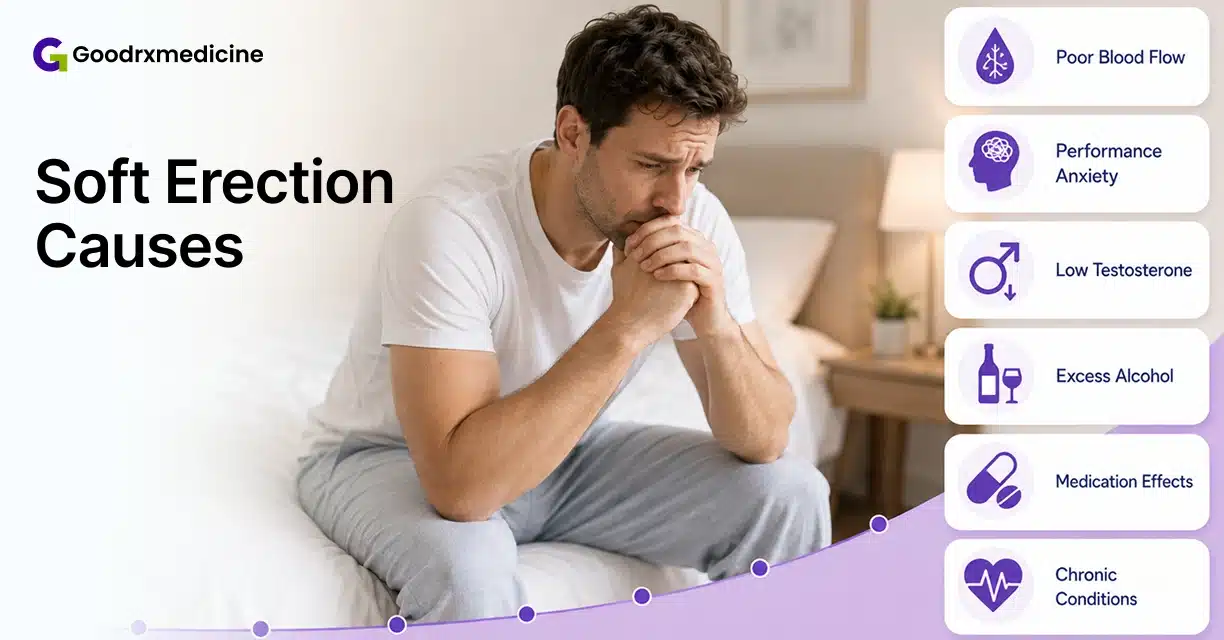
It can be an early sign of Erectile Dysfunction (ED), but not always a definitive one. Physical causes such as poor blood flow and low testosterone, psychological triggers like anxiety, and lifestyle factors including Diabetes, alcohol use, and certain medications can all play a role.
The good news is that most causes are treatable once identified. Read on to find out the 9 most common soft erection causes, what they mean for your health, and when to consult a doctor.
1. Performance Anxiety and stress
Performance Anxiety and stress are among the most common soft erection causes, particularly in younger men. When the mind perceives pressure or threat, the body releases cortisol and adrenaline (stress hormones). These hormones restrict blood flow to the penis and make physical arousal significantly harder to achieve.
Performance Anxiety creates a self-reinforcing cycle where the fear of going soft during intercourse can itself cause the erection to soften. Stress works differently but has a similar outcome. Chronic stress from work, finances, or daily pressures keeps cortisol levels elevated over time, which steadily reduces testosterone production and erection quality, even when sexual activity is not on the mind at all.
2. Poor blood flow to the penis
A firm erection relies on healthy blood vessels carrying sufficient blood to the penis. When those vessels narrow, harden, or get damaged, the blood supply needed for firmness is reduced.
Conditions such as Atherosclerosis (the buildup of plaque in the arteries), High Cholesterol, heart disease and High Blood Pressure are among the most common physical causes of soft erections. A venous leak is another possible cause, where blood flows into the penis normally but cannot stay there. The veins fail to close properly, allowing blood to drain out before or during sexual activity and leaving the erection soft or causing it to fade quickly.
Since erection quality is closely tied to cardiovascular health, persistent soft erections can sometimes be an early warning sign of broader circulatory problems.
3. Low Testosterone
Testosterone supports sexual drive, arousal, and erection quality. When levels fall below the healthy range of 300 to 1,000 ng/dL, it is classified as Low Testosterone (Low T), a condition in which men often notice softer erections alongside a decline in energy and sexual interest.
Low T can develop naturally with age, but it can also result from Obesity, chronic illness, disrupted sleep, or long-term use of certain medications. It does not always cause soft erections on its own, but it frequently contributes when combined with other factors such as stress or poor cardiovascular health.
4. Diabetes
Diabetes is one of the most well-documented causes of erectile difficulties. Chronically high blood sugar gradually damages both blood vessels and the nerves responsible for triggering and sustaining an erection.
Men with Diabetes are significantly more likely to develop ED than those without it. The longer blood sugar levels remain poorly controlled, the greater the damage to circulation and nerve function over time. Managing Diabetes effectively is directly linked to better erectile health and reduced risk of persistent soft erections.
Do You Know?
ED affects over 50% of men between the ages of 40 and 70, yet many never seek help due to embarrassment or shame.
5. Neurological conditions
An erection requires nerve signals to travel from the brain through the spinal cord to the penis. When neuropathy or nerve damage interrupts this pathway, the body cannot initiate or sustain a firm erection properly.
Conditions such as Parkinson’s Disease, Multiple Sclerosis, spinal cord injuries, and Diabetes-related nerve damage are among the most common neurological causes. Pelvic surgery, particularly prostate surgery, can also damage the nerve pathways involved in erectile function, sometimes permanently.
Chemotherapy and pelvic radiation can cause similar disruption by damaging the nerves and blood vessels involved in erections as a direct side effect of treatment.
6. Alcohol and other substance use
Alcohol acts as a central nervous system depressant, slowing nerve signals and reducing blood flow to the penis. While small amounts can lower inhibitions, heavier drinking before or during sexual activity significantly increases the likelihood of a soft erection.
Smoking is associated with impaired arterial flow to the penis, causing long-term blood vessel damage that reduces circulation and affects erection quality over time.
Recreational drugs, including opioids, cocaine, and stimulants, compound this further by disrupting brain signaling, lowering testosterone, and impairing the body’s overall sexual response.
7. Medications
Several commonly prescribed medications list soft or weak erections as a known side effect. If you notice a change in erection quality after starting a new medication, raise it with your doctor before making any adjustments on your own.
Common medication-related soft erection causes include:
- Antidepressants: They can alter the brain chemicals involved in arousal and can reduce both sexual drive and erection quality.
- Blood pressure medications: They can lower systemic blood pressure to a point where achieving a firm erection becomes harder.
- Antihistamines: They can impair nerve signaling and blood flow to the penis.
- Finasteride (hair loss medication): It can lower Dihydrotestosterone (DHT), a hormone involved in erectile function, and can lead to weak erections.
- Sleeping pills and sedatives: They suppress nervous system activity and slow the signals needed for arousal.
8. Unhealthy lifestyle habits
Several lifestyle habits can quietly affect erection quality over time. A diet high in saturated fat damages blood vessel walls, reducing circulation to the penis.
Physical inactivity increases the risk of Obesity, which lowers testosterone and strains the cardiovascular system. Poor sleep further disrupts hormonal balance, as testosterone is produced primarily during deep sleep.
When these habits occur together, their combined effect on erection quality is often worse than any one of them would be on its own.
9. Other health conditions
Some health conditions affect erectile function by disrupting hormones, nerves, or blood flow, sometimes all three at once.
Thyroid disorders and high prolactin levels interfere with arousal and erection quality. An Enlarged Prostate causes physical discomfort that makes maintaining an erection difficult.
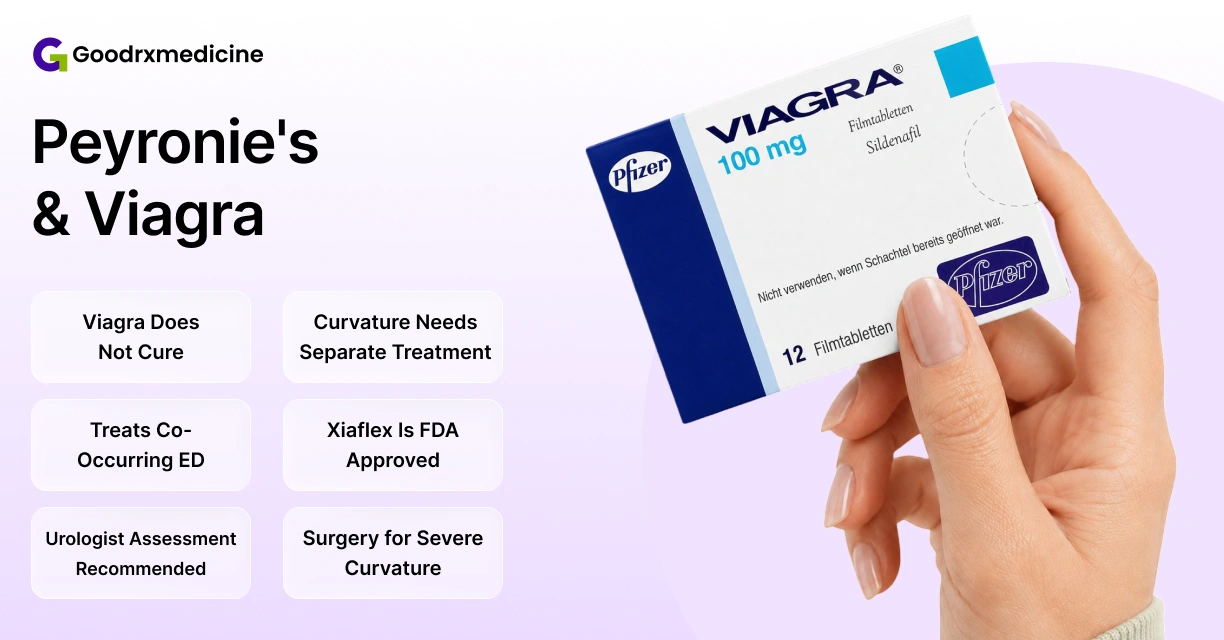
In contrast, Peyronie’s Disease, where scar tissue causes the penis to bend abnormally during erection, can make sexual activity painful and make it physically difficult to achieve or maintain penetration.
When to see a doctor
Occasional soft erections are common and usually not a cause for concern. However, it is worth speaking to a doctor when:
- Erection difficulties occur consistently during or before sexual activity.
- There is a noticeable drop in spontaneous erections, including morning wood.
- The issue is affecting self-esteem, mood, or intimate relationships.
- Soft erections are accompanied by other symptoms such as low energy, reduced sexual drive, or chest discomfort.
A doctor can carry out blood tests and physical assessments to identify the root cause and recommend treatment, whether that involves ED medications, hormone therapy, lifestyle adjustments, or psychological support.
Conclusion
Soft erection causes range from physical factors such as poor blood flow, Low Testosterone, Diabetes, and neurological conditions, to psychological factors like stress and performance anxiety, as well as lifestyle habits, certain medications, and medical treatments. In many cases, more than one factor is involved at the same time.
An occasional soft erection is not always a cause for concern. Temporary factors such as fatigue, stress, or alcohol can affect erection quality without pointing to any underlying problem. However, when it happens regularly, it is worth taking seriously. Lifestyle changes, addressing existing health conditions, and reviewing current medications can all make a meaningful difference.
If soft erections persist or come with other symptoms such as low energy, reduced sexual interest, or chest discomfort, do not wait. Visit a doctor or a qualified healthcare professional for a proper evaluation. Early diagnosis is always easier to manage than a delayed one.

Frequently Asked Questions
Can a soft erection still result in pregnancy?
Yes, a soft erection can still lead to pregnancy. As long as penetration is possible and ejaculation occurs, the sperm can reach the egg regardless of how firm the erection is. That said, a consistently soft erection can make penetration harder to achieve, which may reduce the chances of conception over time.
Does a soft erection in the morning always mean something is wrong?
No, a soft or absent morning erection occasionally is not automatically a cause for concern, as it does not happen every day for most men. However, a consistent reduction over time can indicate Low Testosterone or poor blood flow and is worth discussing with a doctor.
Can cycling cause soft erections?
Yes, prolonged cycling can contribute to erectile difficulties. Sustained pressure from a bicycle seat on the perineum (the area between the genitals and the tailbone) can compress nerves and blood vessels that supply the penis. Using a properly fitted saddle and taking regular breaks can reduce this risk.
Does chronic masturbation cause softer erections?
No, chronic masturbation is not a medically recognized cause of soft erections. This is a common myth, unsupported by clinical evidence. Multiple studies have found little to no link between masturbation frequency and a reduction in erection quality or overall erectile function.
At what age do erections start getting softer?
Erection quality can begin to change gradually from the mid-30s onward as testosterone levels slowly decline. However, age alone is not the primary cause. Lifestyle, cardiovascular health, and stress levels play a much bigger role than age in determining erection quality over time.
Citations
GoodRxMedicine only refers to credible, authoritative sources for our content. If you're curious about how we ensure the integrity of our content, we encourage you to read our Content Information Policy.
Average rating 4.7 / 5
How useful was this post?
Click on a star to rate it!
Gina Walters is the diet and lifestyle writer at Goodrxmedicine.com. She holds a level 6 diploma in natural nutrition and lifestyle and is an ardent preacher of veganism. A fitness enthusiast by heart, Gina’s passion for fitness follows into her personal life too.
Learn MoreDr. James Mitchell is a board-certified physician with 18+ years of clinical experience in Sexual Medicine and Reproductive Health. He helps patients navigate intimate health concerns through medically sound guidance and compassionate, patient-centered care.
Learn More