


Uveitis is an eye condition that causes inflammation in the middle layer of the tissue of the eyes.
It can threaten one’s vision, if left untreated, it may lead to visual loss.
Determining the causes of Uveitis is essential for effective treatment of the condition.
Several factors, such as infections and autoimmune factors, can trigger Uveitis.
This article delves into Uveitis causes and when to seek medical attention for proper diagnosis and effective treatment.
What causes Uveitis
Uveitis is an inflammation of the eyes. It affects the uvea, the middle layer of tissue in the eye wall.
Uveitis symptoms frequently appear unexpectedly and worsen rapidly. They include redness, discomfort, and blurred vision in the eyes.
Uveitis may develop in an individual as a result of various contributing factors.
There are various infectious causes of Uveitis, including bacterial, viral, parasitic, and fungal Uveitis.
Certain individuals may develop the condition as a result of autoimmune causes.
Uveitis can occur as a result of eye trauma or the side effects of certain medicines.
Let’s discuss the causes of Uveitis to help individuals get an early diagnosis:
Save up to 90% on your medicine bills
Infections
Infections, both viral and bacterial, may lead to Uveitis.
Studies have shown that Infectious Uveitis is the most common cause of Uveitis in the United States.
Bacteria and viruses, such as Herpes and Cytomegalovirus, can invade the eye and cause inflammation.
Viral Uveitis may result in light sensitivity, high eye pressure, and blurred vision.
Bacteria such as Staphylococcus Aureus and Streptococcus may lead to bacterial Uveitis.
To manage infectious Uveitis and minimize vision problems, accurate diagnosis, and effective treatment is essential.
Autoimmune factors
Uveitis can be triggered by underlying autoimmune conditions such as Rheumatoid Arthritis or Ankylosing Spondylitis.
According to one study, the HLA-B27 gene can cause Uveitis in some individuals.
This autoimmune response presents a difficult situation for the immune system.
It is supposed to protect the body, inadvertently causing harm to the eyes.
Another study states that Systemic Lupus Erythematosus (SLE) can cause autoimmune Uveitis.
Read Types of Uveitis to explore Uveitis varieties and their implications for eye health.
Non-autoimmune and non-infectious causes
According to research, trauma is one of the most common causes of Uveitis, accounting for 90% of cases.
Trauma typically involves blunt force or penetrating injuries that result in inflammation.
Certain antibiotics and anti-inflammatory medications can cause Uveitis as a side effect.
Cidofovir, Cobalt, Diethylcarbamazine, Pamidronic acid, Quinidine, and Rifabutin are among these medicines.
Uveitis can be caused by underlying health issues such as autoimmune illnesses or infections.
Ready to manage Uveitis? Read Foods to Avoid with Uveitis for better eye health.
When to seek medical attention for Uveitis
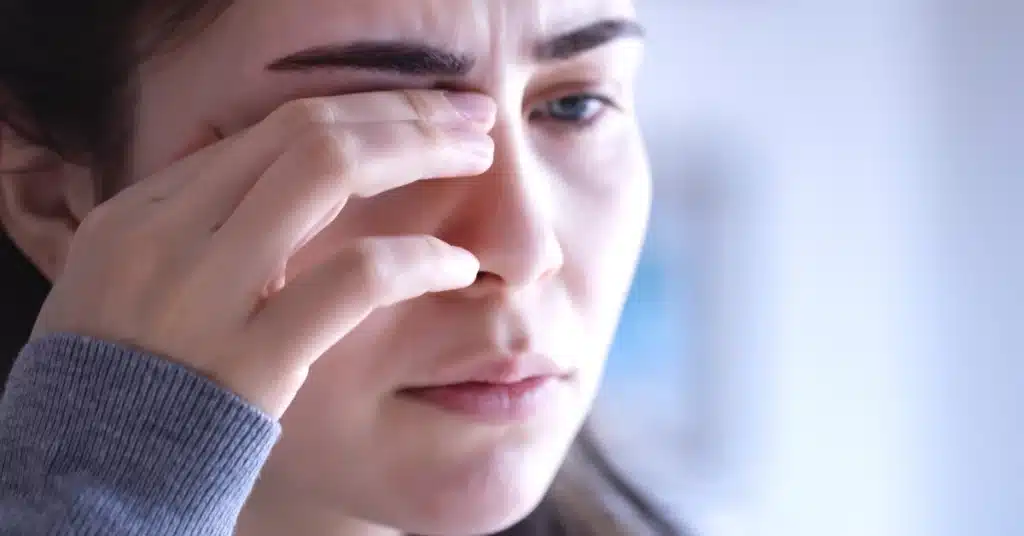
Uveitis may require immediate medical attention if you encounter any of its symptoms.
Some of these symptoms of Uveitis are:
- Eye pain: You should not ignore sudden or persistent eye pain
- Sensitivity to light: A typical Uveitis symptom is increased sensitivity to light (photophobia)
- Redness: Eye redness is a symptom of inflammation
- Eye discharge: Unusual eye discharge is a potential indicator of Uveitis
Individuals with underlying autoimmune conditions or those at a higher risk should have regular eye checkups, even if no symptoms are evident.
Early detection and proper Uveitis treatment are essential in controlling the condition and preventing visual loss.
Summing up
Uveitis is an eye disorder that causes inflammation of the middle layer of the eye’s tissue.
Understanding Uveitis causes is essential for early diagnosis and proper treatment to avoid potential risks.
Infectious Uveitis can be caused by viruses such as Herpes Simplex, Varicella-zoster, Cytomegalovirus, and Rubella.
Bacteria such as Staphylococcus aureus and Streptococcus, parasites, and fungal infections are also to blame.
Certain individuals get Uveitis due to autoimmune causes such as the HLA-B27 gene or Lupus Erythematosus.
Eye trauma and underlying medical conditions may also cause Uveitis in some individuals.
Seeking medical attention is important to avoid potential risks,side effects and for proper management of Uveitis.

Frequently Asked Questions
Can Rheumatoid Arthritis cause Uveitis?
Yes, Rheumatoid Arthritis (RA) can lead to Uveitis, as it is an autoimmune disease that affects various parts of the body, including the eyes.
It underscores the importance of regular eye checkups for RA patients.
What is the most common cause of Uveitis?
Infections, particularly viral and bacterial, are among the most common causes of Uveitis.
Other factors may include autoimmune disorders, underlying health conditions, and injuries, making early diagnosis and accurate treatment essential.
Is Uveitis serious?
Yes, Uveitis is a serious eye condition. If it is left untreated, it can lead to vision loss or complications.
Early diagnosis and proper medical care are crucial to manage and alleviate its effects.
Can untreated Uveitis lead to vision loss?
Yes, untreated Uveitis can lead to vision loss as it may cause complications like cataracts, Glaucoma, or retinal damage.
Early diagnosis and proper management of Uveitis are crucial to prevent these outcomes.
Are autoimmune factors linked to Uveitis?
Autoimmune factors are associated with Uveitis.
Autoimmune disorders, including Rheumatoid Arthritis and Ankylosing Spondylitis, can trigger Uveitis.
In these cases, the body’s immune system wrongly targets the eye, resulting in inflammation and potential vision complications.
Citations
GoodRxMedicine only refers to credible, authoritative sources for our content. If you're curious about how we ensure the integrity of our content, we encourage you to read our Content Information Policy.
Average rating 4.8 / 5
How useful was this post?
Click on a star to rate it!
Gina Walters is the diet and lifestyle writer at Goodrxmedicine.com. She holds a level 6 diploma in natural nutrition and lifestyle and is an ardent preacher of veganism. A fitness enthusiast by heart, Gina’s passion for fitness follows into her personal life too.
Learn MoreDr. James Mitchell is a board-certified physician with 18+ years of clinical experience in Sexual Medicine and Reproductive Health. He helps patients navigate intimate health concerns through medically sound guidance and compassionate, patient-centered care.
Learn More