






Life after menopause shifts to a new phase called postmenopause, which most women reach in their late 40s or early 50s. It begins after 12 consecutive months without a menstrual period. During this stage, lower hormone levels may continue to cause vaginal dryness, low sexual desire, or mood swings. These changes can make some women feel less confident about intimacy.
However, with open communication, proper lubrication, and appropriate medical support, intercourse can still support sexual well-being and overall life quality after menopause. Sex after menopause mainly supports well-being by increasing blood flow, triggering short-term hormonal responses linked with pleasure, and helping control stress. Regular intimacy may also support immune function, improve mood, and promote better sleep.
Together, these effects can help women feel calmer, healthier, and more connected. This article outlines 7 key benefits of sex after menopause. It also shares practical tips for having intercourse more safely and comfortably.
1. Reduces menopausal symptoms and improves vaginal health
After menopause, lower estrogen levels can make vaginal tissues drier, thinner, and less flexible. This can result in pain during intercourse, Urinary Tract Infections (UTIs), and other symptoms grouped as Genitourinary Syndrome of Menopause (GSM). This ongoing discomfort may further lead to low libido.
Comfortable sexual activity may temporarily ease some of these symptoms. Sexual arousal increases blood flow to the vagina and vulva, which can improve natural lubrication and support vaginal tissue flexibility and elasticity. A 2026 study also found fewer GSM symptoms among women who were sexually active more than once a week. However, intercourse doesn’t prevent GSM, and persistent symptoms will require lubricants or medical treatment.
Save up to 90% on your medicine bills

Lovegra Oral Jelly Rx 100 Mg

Lovegra 100 mg
Starting at just $2.19 per tabletBuy Now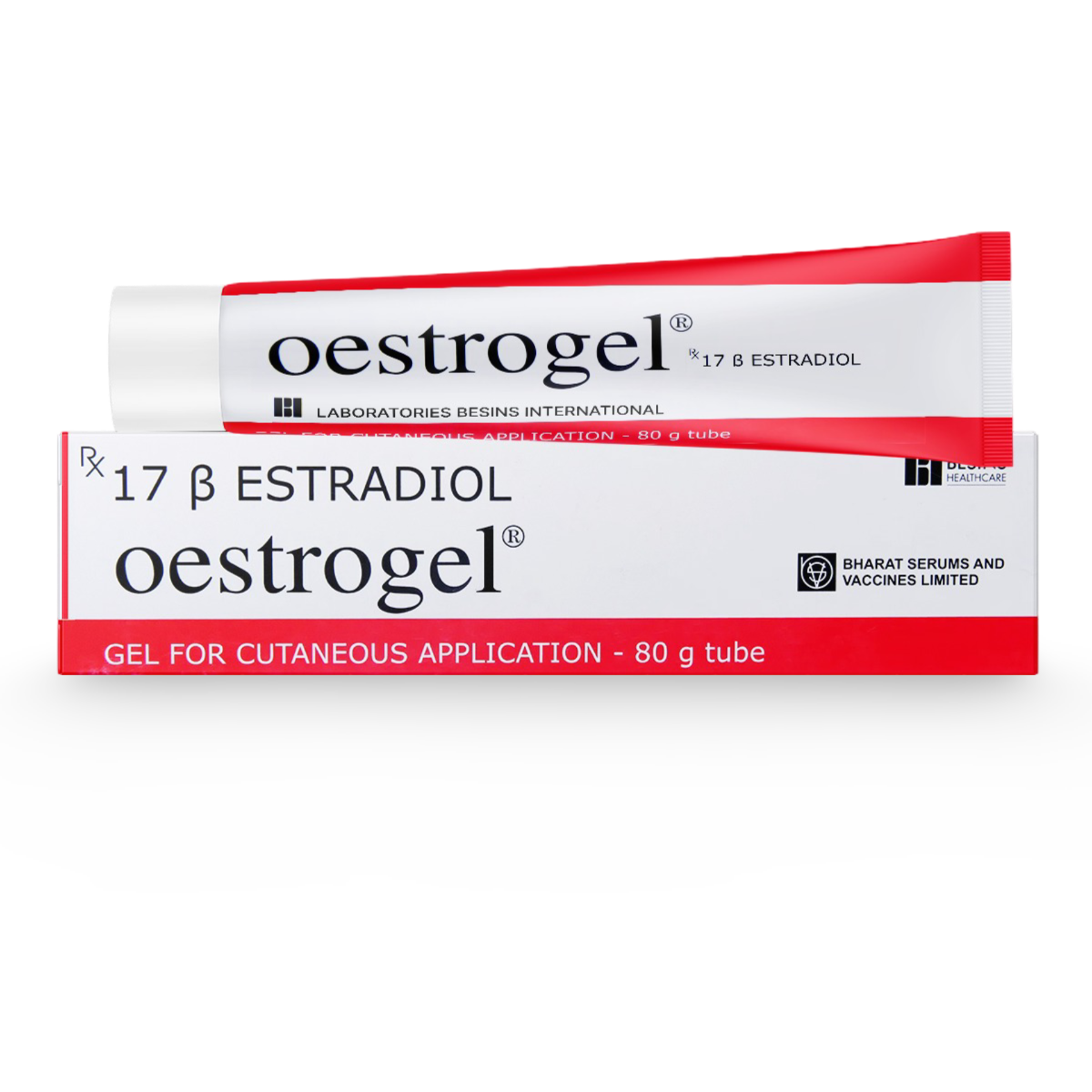
Oestrogel Gel 80 gm
Starting at just $38.02 per tubeBuy Now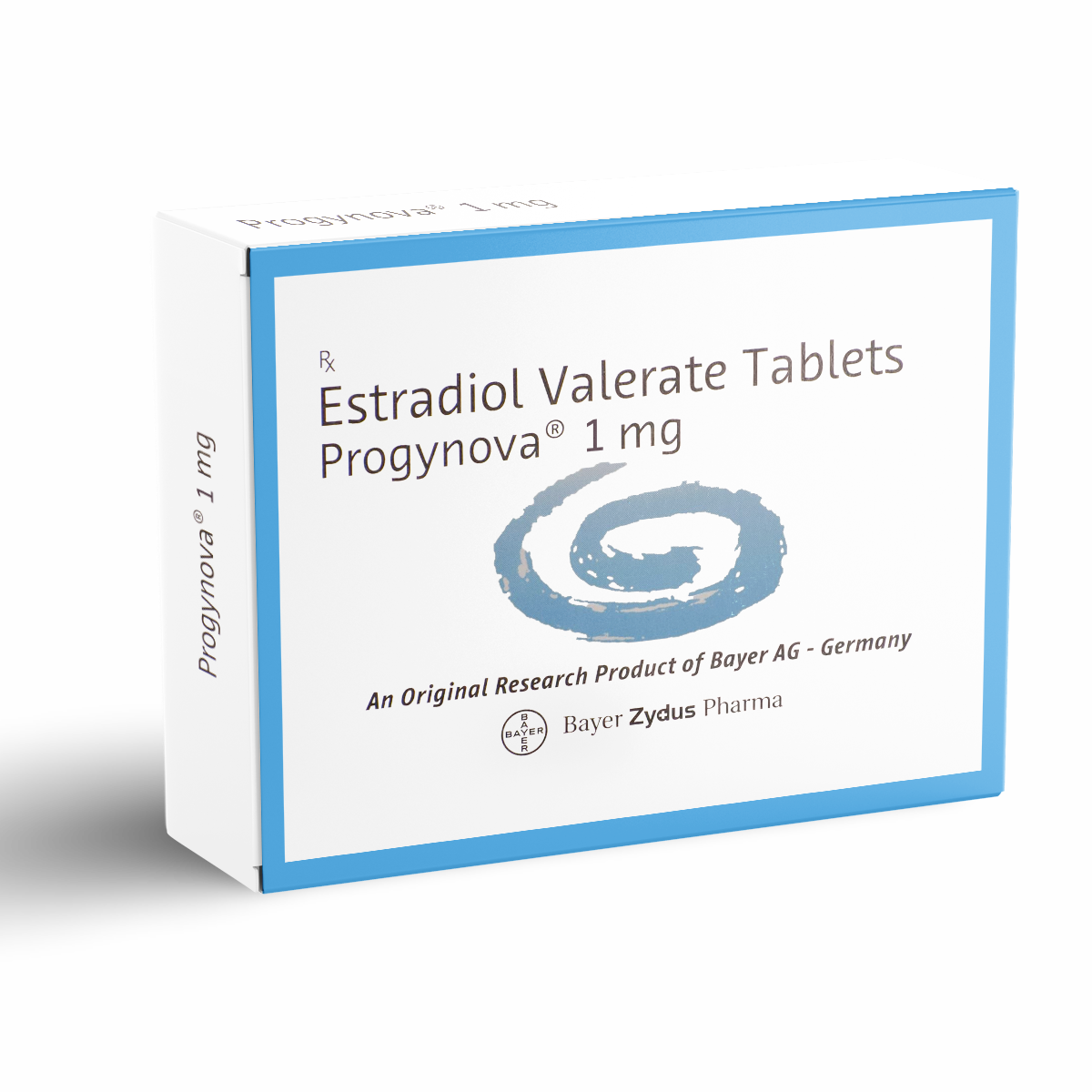
Progynova 1 mg
Starting at just $0.20 per tabletBuy Now2. Supports the immune system
After menopause, your immunity may undergo changes. There can be an increase in low-grade inflammation, a decrease in white blood cell (WBC) count, and a reduction in antibody responses. These issues arise from both hormonal imbalance and natural aging. However, engaging in sexual activity once or twice a week may help support the immune system by reducing cortisol levels.
Because long-term high cortisol can weaken immune function, this may help the body resist illness. Orgasms also release endorphins, which may help regulate inflammation in a few women. Furthermore, it is reported that people who had intercourse more than 3 times a month reported fewer illnesses than those who had intercourse less often.
3. Strengthens pelvic floor muscles
When you engage in sexual activity, it increases genital blood flow and triggers reflex muscle responses that help maintain active muscle function. Physical intimacy also promotes rhythmic muscle contractions to build muscle strength.
A small study of 140 women found that sexually active women could hold pelvic floor contractions for longer. This suggests that sexual activity after menopause may be linked with better pelvic floor muscle strength.
4. Improves heart health
Many women often experience a decline in their heart health after menopause. This is because falling estrogen levels lead to higher levels of bad cholesterol, stiffer blood vessels, and increased body fat. Intercourse acts as mild exercise, raising your heart rate, increasing blood circulation, and releasing feel-good hormones. When combined with an active lifestyle, these effects may support cardiovascular health.
In fact, a 2025 study suggests that vaginal intercourse can support cardiac autonomic functions in healthy postmenopausal women aged 45 to 60. This can significantly improve motivation in life and contribute to a healthy lifestyle as age increases. In turn, this may indirectly prevent heart-related issues and increase lifespan.
5. Lowers stress levels
Stress levels are usually higher during menopause due to hormonal changes, physical symptoms, and disrupted sleep. Intimacy can reduce stress levels by promoting the release of feel-good hormones like endorphin and oxytocin.
On the other hand, it lowers stress hormones like cortisol. This natural chemical shift calms your nervous system, improves your mood, and makes you feel more emotionally connected to your partner. As a result, this may enhance affection, communication, ultimately strengthen the relationship and make intimacy feel safer. The relaxation response may also reduce muscle tension and temporarily ease common aches and pains.
6. Helps sleep better
Sleep is frequently disturbed after menopause, with around 60% women dealing with persistent difficulties like night sweats or Insomnia (a sleep disorder involving trouble falling asleep).
However, frequent intimacy releases feel-good hormones that put the body in rest mode and may make you feel sleepy afterward. Since intercourse reduces stress as well, it calms your overactive brain at night and may help you sleep easily.
7. Improves mental health
Menopause can affect mental health as hormonal levels change. Some women may notice more Depression, Anxiety, mood changes, or unusual thoughts after menopause. The risk may be higher in women who already have mental health conditions.
In this phase, sexual activities may support emotional well-being by reducing tension and promoting relaxation. Sexual arousal, orgasm, and affectionate touch activate brain pathways linked to pleasure and positive mood. Also, research has linked positive sexual health with reduced levels of Depression or Anxiety, improved overall cognitive function, and better life satisfaction.
Tips for comfortable sex after menopause
Sex after menopause can be difficult for many women due to vaginal dryness, mood swings, hormonal fluctuations, and disrupted sleep. However, the following practical tips can make intimacy more comfortable and enjoyable:
- Communicate openly: Communicate with your partner how you feel, what feels comfortable, and what you would like to try. Your partner may also be experiencing age-related changes, such as andropause (a gradual age-related decline in testosterone levels), relationship stress, or sexual concerns. An honest communication can help you support each other.
- Manage vaginal dryness: Dryness is common after menopause as low estrogen levels make vaginal tissues thinner and drier. Use a water-based or silicone-based lubricant during intercourse. A vaginal moisturizer may also help with ongoing dryness when applied regularly.
- Try new positions: Positions that let you control the speed, angle, and depth of penetration may reduce pressure on sensitive or dry vaginal tissues. Side-by-side positions (spooning) or being on top (cowgirl position) can provide more control. Use pillows to improve support and comfort.
- Focus on foreplay: Arousal may take longer after menopause. Therefore, take more time and go slow, instead of rushing toward orgasm. Start with gentle touches for better arousal and vaginal lubrication. You can also use sex toys like vibrators and dildos. Engage in slower penetration to improve comfort.
- Do not ignore pain: Do not push through pain during sex (Dyspareunia). Persistent dryness or pain requires medical evaluation. Therefore, stop and first consult a doctor if pain persists and intercourse becomes uncomfortable for you.
- Medical treatment: In case of Dyspareunia or persistent dryness, a doctor can recommend vaginal estrogen therapy. It includes products like Oestrogel Gel 80 g that restore estrogen levels to control menopausal symptoms.

Conclusion
Intimacy can support physical and emotional well-being in postmenopausal women. Benefits of sex after menopause include improved vaginal blood flow, reduced stress, strengthened pelvic floor muscles, better sleep, and improved heart health. Regular intimacy may also improve mood, emotional closeness, and immune function.
These benefits can be easier to experience when intercourse is comfortable and done safely. Open communication, focus on foreplay, use of lubricants or vaginal moisturizers, supportive pillows, and positions that provide better control can reduce discomfort and dryness. Slower penetration may also make intimacy more enjoyable.
However, persistent dryness or painful sex should not be ignored. A doctor can recommend vaginal estrogen therapy when suitable. With proper care, intercourse after menopause can remain comfortable and beneficial for overall life quality.
Frequently Asked Questions
How to turn on a postmenopausal woman?
A postmenopausal woman may need more time, direct communication, and comfort to feel aroused. Ask what she enjoys the most, focus on foreplay, and prefer slower penetration. Since vaginal dryness is common in the postmenopause phase, use silicone or water-based lubricants. It can make penetration more comfortable.
How often does a 55-year-old woman want sex?
There is no universal number; a 55-year-old woman may desire intimacy occasionally, often, or not at all. The desire to get intimate depends on the relationship quality, menopause symptoms, sleep quality, stress, and overall health. For some women, sexual desire develops only after gentle touches or when stimulation begins.
What happens when a woman goes without intimacy for too long?
When a woman goes without intimacy for too long, it doesn’t directly affect her health. However, if she wants intimacy, she may feel frustrated, lonely, or less connected to a partner.
Can a 70-year-old woman still climax?
Yes, a 70-year-old woman can still become aroused and reach climax. Aging may indicate that she needs more time or stronger stimulation. Vaginal dryness, pain during sex, or any current medications can interfere with orgasm. In such cases, lubricants, sex toys like vibrators, and hormonal therapy for postmenopausal symptoms can help.
GoodRxMedicine only refers to credible, authoritative sources for our content. If you're curious about how we ensure the integrity of our content, we encourage you to read our Content Information Policy.

Julian Carter is a highly accomplished MBA graduate in Pharmaceutical Management, celebrated for his extensive experience and exceptional skills in the pharmaceutical industry. With a wealth of knowledge and expertise, Julian is a valuable contributor to the field and a trusted voice in pharmaceutical management.
As a contributing writer for Goodrxmedicine.com, Julian is committed to educating and empowering individuals to make informed decisions about their health. His passion for the industry is evident in his work, and his dedication to improving the lives of others through education and empowerment is truly remarkable.
With a reputation for excellence and a track record of success, Julian Carter is a respected and admired figure in pharmaceutical management. His insights and contributions to the field are highly valued, and her expertise has helped shape the direction of the industry for the better.
Through his work as a contributing writer for Goodrxmedicine.com and beyond, Julian continues to make a meaningful impact in the lives of many. His commitment to excellence and dedication to improving the health of individuals and communities around the world make him an inspiration to others in the field.