





Premenstrual Syndrome (PMS) is a common occurrence in women before their menstrual period. It can appear as physical and emotional symptoms such as bloating, mood changes, breast tenderness, fatigue, headaches, and food cravings. While it can affect women at any reproductive age, many notice that their symptoms change or become more intense as they grow older.
This may raise a question whether it is typical for PMS to get worse with age or whether other changes in the body are responsible. While age can be a contributing factor, PMS usually becomes more noticeable because of hormonal shifts that occur as women enter their 30s and 40s. The transition towards perimenopause can also make hormone levels less predictable, affecting the pattern and severity of monthly symptoms.
The article explains if it’s normal for PMS symptoms to get worse with age, including its reasons and what can help manage them.
Do PMS symptoms get worse with age?
Yes, it is common for PMS symptoms such as bloating, cramping, mood changes, fatigue, breast tenderness, and low libido or sex drive to become more noticeable with age. Symptoms often feel worse when women reach their late 30s and 40s and begin approaching perimenopause. However, the pattern can differ from one woman to another.
Save up to 90% on your medicine bills

Lovegra Oral Jelly Rx 100 Mg

Lovegra 100 mg
Starting at just $2.19 per tabletBuy Now
Oestrogel Gel 80 gm
Starting at just $38.02 per tubeBuy Now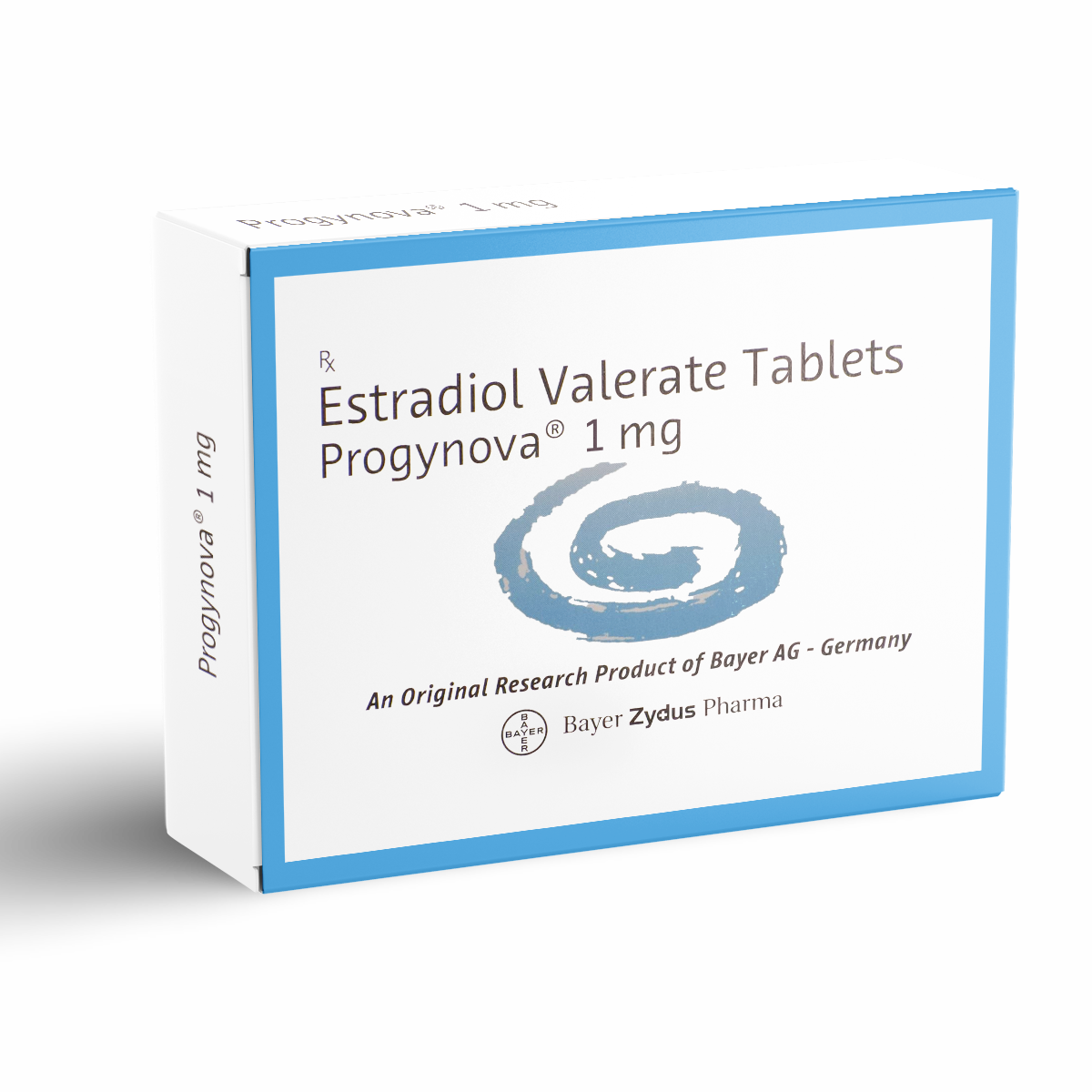
Progynova 1 mg
Starting at just $0.20 per tabletBuy NowLate teens and 20s
PMS in younger women often includes cramps, acne, food cravings, breast tenderness, anxiety, mood changes, and fatigue. Abdominal cramps can be more common during these years, while sleep problems, headaches, swelling, weight gain, and low sex drive are usually less frequent.
Late 20s and 30s
Physical symptoms can become more noticeable during the late 20s and 30s. These can include fatigue, headaches, bloating, digestive changes, poor sleep, weight gain, breast discomfort, and low sex drive. For some women, PMS may be strongest in the mid-30s, though this pattern varies from person to person.
Late 30s and 40s
Fatigue, headaches, sleep problems, swelling, digestive discomfort, hot flashes, low sex drive, and difficulty concentrating can become more frequent. Hormonal fluctuations linked to approaching perimenopause can overlap with PMS and make symptoms feel more intense. Mood swings and anxiety, however, can remain common at any age.
Late 40s and early 50s
As perimenopause progresses, women can continue to experience fatigue, poor sleep, headaches, hot flashes, and low sex drive. Cramps and food cravings can become less common. PMS eventually ends after menopause because ovulation and menstrual periods stop.
Why PMS changes with age
PMS does not necessarily worsen simply because a woman is getting older. Instead, age-related hormonal changes, increasing sensitivity to hormone fluctuations, stress, sleep disruption, childbirth, mental health history, and the transition into perimenopause can all influence how symptoms feel.
Together, these factors can change the type, frequency, and severity of PMS over time.
Hormonal fluctuations during perimenopause
Perimenopause is the transitional period before menopause. During this stage, hormone levels, such as estrogen and progesterone, can rise and fall unpredictably. These fluctuations can make periods irregular and intensify PMS symptoms such as bloating, breast tenderness, headaches, irritability, anxiety, and sleep problems.
Greater sensitivity to hormonal changes
PMS is not always caused by unusually high or low hormone levels. Instead, some women are more sensitive to the normal fluctuations in estrogen and progesterone during the menstrual cycle. These hormonal changes can influence brain chemicals such as serotonin, which helps regulate mood, sleep, and emotions.
As a result, some women experience more noticeable symptoms, including irritability, anxiety, sadness, mood swings, sleep problems, and fatigue. This sensitivity can be more pronounced in women with Premenstrual Dysphoric Disorder (PMDD), a severe form of PMS.
Childbirth
Women who have had at least one child are more likely to experience PMS, although childbirth does not directly worsen symptoms in every woman. Pregnancy and delivery cause major changes in estrogen and progesterone levels, which can influence the body’s response to hormonal fluctuations after menstrual cycles return.
Sleep deprivation, childcare stress, physical recovery, and a history of Postpartum Depression can also make fatigue, irritability, mood changes, and other PMS symptoms feel more intense.
Mental health history
A personal or family history of Depression, Anxiety, or another mood disorder can increase the risk of severe emotional symptoms such as mood swings and heightened anxiety. Women who experienced mood changes during earlier hormonal transitions can also notice stronger symptoms as they approach perimenopause.
Stress, sleep, and other lifestyle changes
The late 30s and 40s can bring increased work pressure, family responsibilities, disrupted sleep, and other sources of stress. These factors do not directly cause PMS, but they can make fatigue, irritability, low mood, food cravings, and difficulty concentrating feel more intense.
Perimenopause itself can disturb sleep and increase vulnerability to mood changes, further adding to the discomfort experienced before a period.
How to manage worsening PMS symptoms
Worsening PMS symptoms with age can often be managed through lifestyle changes, over-the-counter remedies, and medical treatment. The most suitable approach depends on the type and severity of symptoms, how much they affect daily life, underlying health conditions, and whether the woman is approaching perimenopause.
Some effective treatment and management options for worsening symptoms are:
- Improve your diet: Eat more fruits, vegetables, whole grains, lean proteins, and healthy fats. Reducing excess salt can help with bloating, while limiting sugar, caffeine, and alcohol can reduce energy crashes, sleep problems, and mood changes.
- Prioritize sleep and relaxation: Try to follow a steady sleep schedule and aim for 7 to 9 hours of rest. Yoga, meditation, stretching, and deep-breathing exercises can also help relieve stress and irritability.
- Exercise regularly: Aim for around 30 minutes of moderate activity, such as brisk walking, cycling, swimming, or light strength training, on most days. Regular movement can improve mood, reduce fatigue, and ease cramps.
- Discuss supplements with a doctor: Calcium may help reduce bloating, food cravings, and mood symptoms, while magnesium can ease fluid retention, breast tenderness, and cramps. Vitamin B6 supports serotonin production and may help with irritability, anxiety, and low mood. Evidence varies, so consult a doctor before regular use.
- Consider medicines when needed: Doctors can prescribe pain relievers like Ibuprofen or Naproxen to relieve cramps and headaches. They can also recommend Selective Serotonin Reuptake Inhibitors (SSRIs) to improve serotonin activity to relieve mood-related symptoms, or hormonal birth control to suppress ovulation and reduce hormone fluctuations.
When to see a doctor
PMS symptoms can often be managed at home, but medical advice is important when they become unusually severe, change suddenly, or interfere with daily life. Worsening emotional symptoms can also indicate Premenstrual Dysphoric Disorder (PMDD), a more severe form of PMS that requires proper diagnosis and treatment.
Consult a doctor if PMS symptoms
- Do not improve with exercise, dietary changes, stress management, or over-the-counter medicines.
- Occur throughout the month rather than mainly before the menstrual period.
- Include severe Depression, Anxiety, irritability, anger, hopelessness, or difficulty functioning.
- Occur with unusually heavy or irregular bleeding, severe pelvic pain, or other new menstrual changes.

Conclusion
It is normal for PMS to change or get worse as women move through their 20s, 30s, and 40s. Symptoms such as bloating, cramps, fatigue, headaches, poor sleep, mood changes, and low sex drive can become more noticeable, especially during perimenopause. However, age alone is not responsible.
Hormonal fluctuations, stress, childbirth, sleep problems, lifestyle habits, and a history of mood disorders can all influence symptom severity. Tracking symptoms over several menstrual cycles can help identify patterns and possible triggers. A balanced diet plan, regular exercise, sufficient sleep, stress management, and suitable pain relief can make symptoms easier to manage.
Women should consult a doctor if PMS begins disrupting work, relationships, sleep, or daily activities. Proper evaluation can rule out other conditions and help determine the most appropriate treatment.
Frequently Asked Questions
Can PMS improve after menopause?
Yes, PMS improves and typically ends after menopause because ovulation and menstrual cycles stop. However, symptoms linked to menopause, such as mood changes, poor sleep, vaginal dryness, and hot flashes, can continue and feel similar to PMS. Consult a doctor if symptoms remain troublesome.
At what age does PMS stop?
PMS stops after menopause, which is confirmed after 12 consecutive months without a menstrual period. Menopause occurs at different ages, but the average age is approximately 51. Symptoms can become irregular during perimenopause before periods stop completely.
What can be mistaken for PMS?
Premenstrual Dysphoric Disorder, early pregnancy, and endometriosis can resemble PMS. These conditions share overlapping physical and emotional signs that appear right before a menstrual period.
Why are my PMS symptoms different every month?
PMS symptoms can fluctuate from month to month because estrogen and progesterone levels are not exactly the same in every cycle. Brain chemistry, including serotonin activity, may also influence how strongly symptoms appear. Additionally, stress, diet, sleep quality, exercise, illness, daily routines, and the natural aging process can also influence how strongly symptoms appear.
GoodRxMedicine only refers to credible, authoritative sources for our content. If you're curious about how we ensure the integrity of our content, we encourage you to read our Content Information Policy.

Julian Carter is a highly accomplished MBA graduate in Pharmaceutical Management, celebrated for his extensive experience and exceptional skills in the pharmaceutical industry. With a wealth of knowledge and expertise, Julian is a valuable contributor to the field and a trusted voice in pharmaceutical management.
As a contributing writer for Goodrxmedicine.com, Julian is committed to educating and empowering individuals to make informed decisions about their health. His passion for the industry is evident in his work, and his dedication to improving the lives of others through education and empowerment is truly remarkable.
With a reputation for excellence and a track record of success, Julian Carter is a respected and admired figure in pharmaceutical management. His insights and contributions to the field are highly valued, and her expertise has helped shape the direction of the industry for the better.
Through his work as a contributing writer for Goodrxmedicine.com and beyond, Julian continues to make a meaningful impact in the lives of many. His commitment to excellence and dedication to improving the health of individuals and communities around the world make him an inspiration to others in the field.