



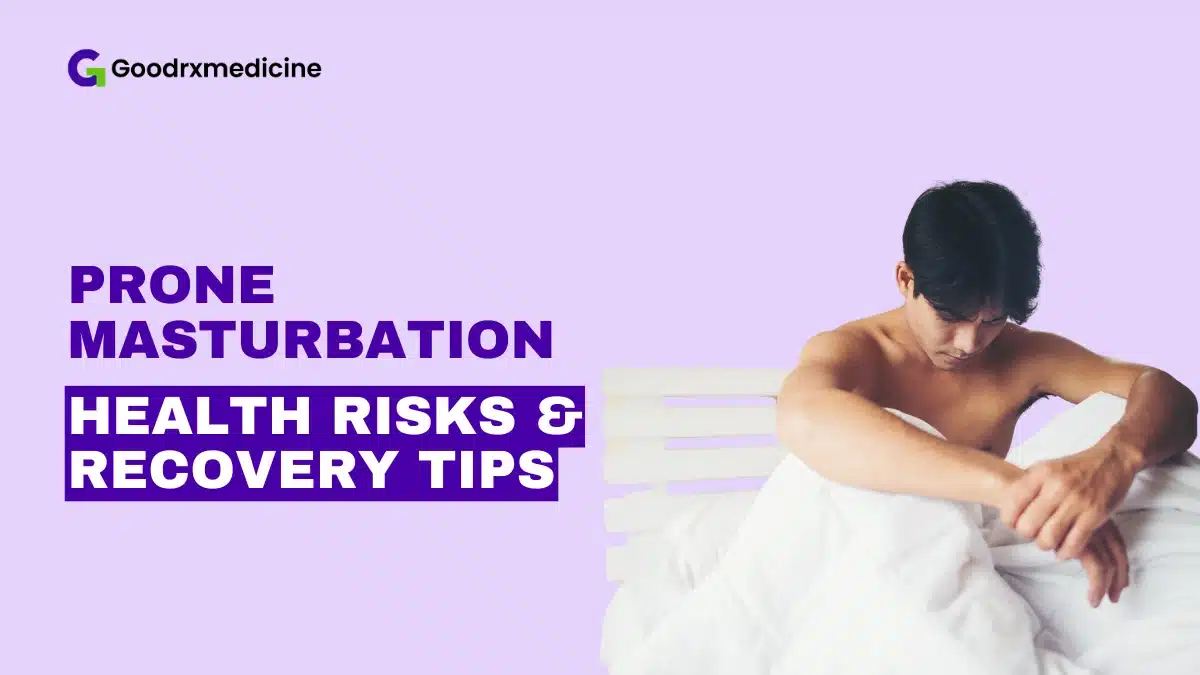
Prone masturbation is a lesser-known but surprisingly common sexual behavior in which people sexually stimulate themselves by lying face down, using pressure rather than hand movement. Often developed unknowingly during adolescence, this practice is safe and can feel intensely pleasurable and harmless.
However, many people don’t realize this common habit can slowly change how the brain responds to sexual stimulation. Over time, the body gets used to a level of pressure and friction that a partner can’t match. As a result, it might lead to difficulty climaxing during sex, reduced pleasure, and a sense of disconnection from intimacy.
However, the good news is that it is fully reversible. This article will cover every aspect of prone masturbation, what exactly it is, its effects, and how it differs from typical stimulation.
What is prone masturbation?
Prone masturbation refers to stimulating the genitals while lying face down, typically by applying pressure or rubbing against surfaces like a mattress, pillow, folded blanket, leg or even the floor. Unlike normal masturbation technique, which involves hand movement with controlled pressure, this approach relies on body weight and friction, often creating a more intense sensation.
It is more common than many realize, especially among individuals who begin exploring their bodies during childhood or early adolescence. In many cases, it develops naturally before a person becomes aware of other techniques.
With time, the brain adapts to this specific type of stimulation, turning it into a habitual preference. Factors such as limited sexual awareness, the need for privacy, and the heightened intensity of sensation often play a role in supporting this habit.
Save up to 90% on your medicine bills

Siezta 100 Mg Sildenafil Oral Strips
Starting at just $1.60 per stripBuy Now
Cenforce 200 mg
Starting at just $0.84 per tabletBuy Now
Kamagra Oral Jelly Rx 100 mg
Starting at just $13.12 per tabletBuy Now
Vidalista 60 mg
Starting at just $0.91 per tabletBuy NowWhat are the side effects of prone masturbation?
Prone masturbation can lead to both short-term and long-term side effects due to its intense pressure and friction on the genitals.
Short-term effects
These often arise from aggressive or frequent sessions and typically resolve with rest. Common issues include:
- Skin irritation: Since this approach frequently includes rubbing against a dry surface, such as a bed sheet or pillowcase, it can cause friction burns, redness, discomfort, or general skin irritation in the genital area.
- Physical discomfort or soreness: Applying enough pressure to generate stimulation can cause muscular tightness or stiffness in the pelvic or genital region.
- Temporary numbness: Intense pressure can compress nerves and blood vessels, leading to a brief period of numbness or diminished sensation right after the act.
- Minor tissue stress: Excessive, localized pressure can cause stress on the delicate tissues of the genitals, making them feel sensitive or sore for a brief period.
Long-term effects
Occasional prone masturbation can lead to mild, short-term effects. However, practicing it regularly over many years can result in lasting physical, neurological, and psychological problems. These long-term effects go beyond just sexual discomfort. They can also impact a person’s sexual confidence, ability to form healthy relationships, and overall mental well-being.
- Traumatic Masturbatory Syndrome: Chronic masturbation frequently leads to Traumatic Masturbatory Syndrome (TMS). It happens when regular, high-pressure masturbation desensitizes the penis, making normal sexual stimulation feel insufficient. Since the body gets used to specific, intense pressure against a surface, individuals often struggle to achieve arousal or orgasm through partnered sex, which relies on different, lighter touch. In women, it can cause a permanent reduction in clitoral sensitivity from years of overstimulation.
- Delayed Ejaculation: The body becomes addicted to strong, specialized stimulation, making it harder to achieve climax with traditional means. This frequently leads to Delayed Ejaculation, which can be frustrating and can affect confidence during intimacy. Masturbating excessively can cause chronic Anorgasmia (persistent inability to achieve orgasm) in women during partnered sex or conventional stimulation.
- Erectile Dysfunction: Some people could struggle to get or sustain erections during intercourse because their arousal is associated with a particular sort of pressure-based stimulation. This can lead to Erectile Dysfunction if occurs persistently, affecting sexual and overall health.
- Relationship challenges: Struggling with sexual satisfaction during partnered intimacy can be frustrating for both partners. If not handled openly and constructively, this can eventually lead to emotional distance, misunderstanding, or conflict in the relationship.
- Performance Anxiety: Repeated issues with arousal or climax can lead to Performance Anxiety and self-doubt. Individuals start worrying about their sexual performance, worsening the problem by causing a destructive cycle of Anxiety and low confidence. Some women could experience Vaginismus, an involuntary vaginal muscular spasms caused by anxiety and a conditioned sexual response.
How does it differ from normal masturbation?
The following table highlights the main differences between prone masturbation and normal masturbation:
| Aspect | Prone masturbation | Normal masturbation |
|---|---|---|
| Technique | Body pressure or friction | Hand stimulation |
| Intensity | Often higher pressure | Controlled stimulation |
| Sensitivity | Can reduce sensitivity over time | Usually maintains normal sensitivity |
| Sexual response | Could interfere with sexual activities | Normally does not affect sexual activities |
How to avoid prone masturbation?
It is entirely possible to avoid prone masturbation or quit the habit, even after years of practice, often including:
- Change your position: During prone masturbation, avoid sleeping face down, as this can enhance pressure-based stimulation. Instead, choose postures such as lying on your back or sitting upright, which naturally prevent excessive pressure and help retrain your body to respond more effectively to stimulation.
- Switch to hand stimulation: Gradually shift to hand-based stimulation to reduce reliance on prone approaches. Begin with gentle, slow motions and avoid hurrying. Over time, this allows your body to adapt to a different form of feeling that is more similar to natural sexual encounters.
- Try a retraining approach: The retraining technique involves taking a brief pause from prone masturbation to enable sensitivity to be restored. After that, gradually bring back stimulation with your hands or other safer means, while carefully avoiding old habits and redirecting desires toward healthy practices.
- Set boundaries and awareness: Identify the events, feelings, or surroundings that trigger the habit of prone masturbation, such as stress or boredom. By being more conscious of these patterns, you can actively avoid or manage them, maintaining control and eventually breaking the cycle.
- Reduce frequency gradually: Avoid stopping suddenly, since this could lead to frustration or relapse. Instead, gradually lower your frequency of prone masturbation, letting your body and mind adjust easily and making the change more sustainable over time.
- Avoid excessive pressure: Even when using conventional methods, avoid gripping too firmly or using too much force. Maintaining moderate pressure avoids imitating the same extreme stimulation pattern and promotes the gradual recovery of natural sensitivity and sexual response.
When to seek medical help?
While occasional challenges with sexual function can be normal, persistent or distressing symptoms could indicate an underlying issue that requires professional medical attention and should not be ignored. You should consider medical assistance if:
- You experience persistent erection issues, affecting your relationships or well-being
- Self-directed retraining isn’t working after several weeks
- There is physical pain during erections
- You are experiencing persistent Vaginismus or Chronic Anorgasmia
- You take much longer to reach climax
- There is significant psychological distress (Anxiety, shame, Depression).
Conclusion
Prone masturbation, while often developed unknowingly during early adolescence and perceived as harmless, can gradually condition the body to rely on intense pressure-based stimulation. This can lead to reduced sensitivity, Delayed Ejaculation, Erectile Dysfunction, and challenges in partnered intimacy.
Over time, this could also impact mental well-being and relationships. However, these effects are not lasting. Normal sexual response could be restored with constant effort, for example, changing postures, lowering frequency, and retraining the body through healthy stimulation. It is essential to remain patient during this change while addressing both physical and psychological issues.
If symptoms persist despite self-help measures or begin to interfere with confidence, comfort, or relationships, obtaining professional medical attention can provide organized support and enhance recovery outcomes.

Frequently Asked Questions
How long does it take to retrain from prone masturbation?
Overcoming prone masturbation varies by individual, but many notice improvement within a few weeks to a few months. Consistency in avoiding prone methods and adopting healthier stimulation patterns is essential for restoring normal sensitivity and function.
Does prone masturbation affect testosterone levels?
No, prone masturbation does not directly affect testosterone levels. Testosterone production is regulated by hormonal systems and remains largely stable regardless of masturbation style. However, excessive habits can indirectly impact energy, mood, or sexual performance, which some people could mistakenly associate with Low Testosterone.
What is the right age for masturbation?
There is no specific right age for masturbation, as it is a natural behavior that can begin during adolescence when sexual curiosity develops. What matters most is that it occurs in a safe, private, and healthy manner without interfering with daily life or well-being.
Does prone masturbation affect fertility?
No, prone masturbation itself does not directly affect fertility. Associated issues like Delayed Ejaculation or difficulty climaxing during intercourse can indirectly impact the ability to become a parent if ejaculation during partnered sex becomes challenging.
GoodRxMedicine only refers to credible, authoritative sources for our content. If you're curious about how we ensure the integrity of our content, we encourage you to read our Content Information Policy.

Julian Carter is a highly accomplished MBA graduate in Pharmaceutical Management, celebrated for his extensive experience and exceptional skills in the pharmaceutical industry. With a wealth of knowledge and expertise, Julian is a valuable contributor to the field and a trusted voice in pharmaceutical management.
As a contributing writer for Goodrxmedicine.com, Julian is committed to educating and empowering individuals to make informed decisions about their health. His passion for the industry is evident in his work, and his dedication to improving the lives of others through education and empowerment is truly remarkable.
With a reputation for excellence and a track record of success, Julian Carter is a respected and admired figure in pharmaceutical management. His insights and contributions to the field are highly valued, and her expertise has helped shape the direction of the industry for the better.
Through his work as a contributing writer for Goodrxmedicine.com and beyond, Julian continues to make a meaningful impact in the lives of many. His commitment to excellence and dedication to improving the health of individuals and communities around the world make him an inspiration to others in the field.