



Nerves in the bedroom are far more common than you think. One moment you feel relaxed, the next your chest tightens, thoughts race, and suddenly your body doesn’t cooperate. When it makes its way into the bedroom, it is termed as Sexual Performance Anxiety (SPA).
In men, SPA often shows up as difficulty getting or maintaining erections, climaxing too quickly, or losing arousal midway. Over time, this creates a cycle of fear, leading to physical symptoms that increase fear and anxiety the next time and so on. The good news is that it is possible to break this vicious cycle.
With relaxation techniques and confidence-building exercises along with a healthy routine and open communication, you can once again enjoy intimacy without pressure. This guide focuses on how to overcome male Sexual Performance Anxiety with solutions that you can follow before and during sex.
Step 1: Understand and control your triggers
Before you can control your nerves, you need to understand them. Sexual Performance Anxiety is your body’s fight-or-flight mechanism showing up at the wrong time. When your brain senses danger, your body releases more adrenaline, making you feel restless, distracted, or trapped, rather than feeling focused and present.
Thus, learning to spot the patterns that make you feel anxious and changing how you deal with them can make all the difference.
1. Spot common signs
It’s easier to fix anxiety once you notice its patterns. Look out for these signs:
- Rapid heartbeat and sweaty palms: This indicates that adrenaline signals are overactive.
- Restlessness or fidgeting: It is physical tension looking for a release.
- Racing thoughts: These are generally indicators of you worrying about “what if I fail?” or “what if this happens again?”
- Avoidance: It is a common response of pulling away from intimacy or making excuses to escape pressure.
However, if you experience intense shaking, a racing heartbeat, dizziness, or nausea, it may signal a panic attack.
2. Address performance pressure
Nervousness and excitement feel surprisingly similar. What changes the experience is how you name it. Instead of labeling it fear, see it as energy. You can shift the narrative by:
- Telling yourself this is your body preparing you to engage, not betray you.
- Swap “I’m afraid” with “I’m excited to share this moment.”
- Remember the very fact that you’re anxious means you care, and that’s a good sign.
Step 2: Rebuild sexual confidence gradually

Confidence grows in safe practice settings before it shows up in difficult ones. By stretching yourself gradually, you’ll reduce how intimidating high-pressure situations feel. Begin with these small steps and then move to bigger adjustments.
1. Practice in low-pressure situations
Training confidence outside of the bedroom prepares you for the bedroom. Aim for a gradual shift as it feels more natural.
- Enhance emotional intimacy first before moving to physical intimacy.
- Share simple tasks with your partner, like cooking or cleaning together.
- Role-play anxious moments with a trusted friend or therapist to ease tension.
- Masturbate and spend more time getting to know yourself so that you can perform better with a partner.
2. Build affirmations to avoid SPA
Your mind listens closely to the words you repeat, so replacing self-doubt with grounding statements changes how you feel. Use these affirmations before sex and after a challenging experience so one off-night doesn’t turn into ongoing Sexual Performance Anxiety.
- Say to yourself: I am calm, confident, and present.
- Repeat: Intimacy is about connection, not perfection. I can be a good lover even if things don’t go perfectly tonight.
- Remind yourself: I choose to focus on enjoying the moment. My worth is not defined by one erection.
3. Use sensate focus to retrain your brain
Sensate focus is a classic sex-therapy technique that helps men break the cycle. Instead of chasing penetration or orgasm, you and your partner will take turns focusing only on mindful touch, comfort, and sensation. This reduces performance pressure, rebuilds confidence, and teaches your brain that intimacy can feel safe again.
Tip: Practice pelvic breathing, a mix of deep breathing and Kegel exercises, to calm your nerves and improve stamina. Inhale for 4 seconds while gently tightening your pelvic muscles, then exhale for 6 seconds as you relax. Repeat 8-10 times, two to three times a day.
Step 3: Try breathing exercises for Anxiety
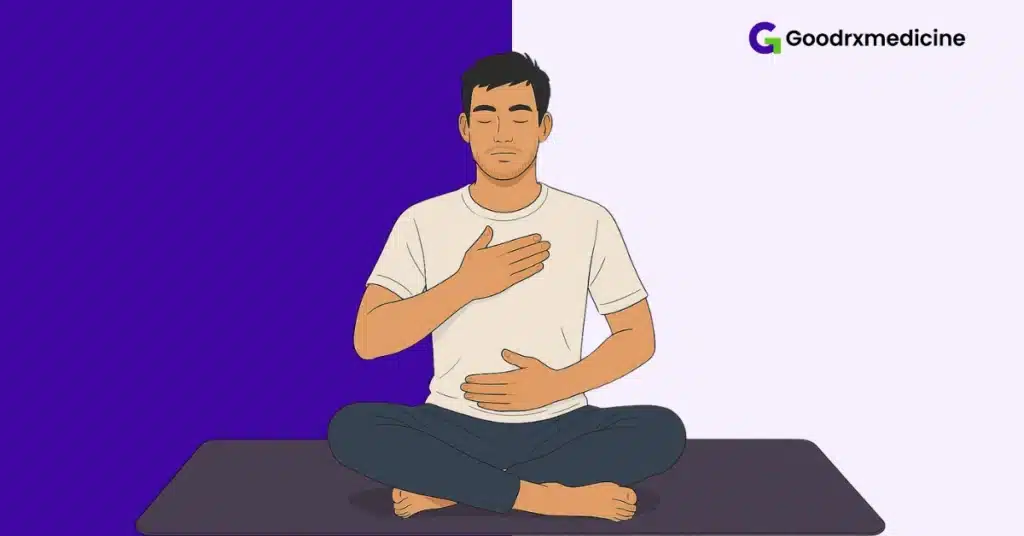
When nerves strike, most people start shallow chest-breathing without realizing it. This sends a false alarm to the brain that something is wrong and intensifies stress. Switching to deeper, calmer breathing techniques tells your body the opposite. It assures you that everything is safe, and you can relax into the moment.
1. Use diaphragmatic or belly breathing
Breathing from the belly instead of the chest slows the heart rate and brings in more oxygen. It also relaxes blood vessels and supports healthy blood flow to the penis for better performance.
To practice it correctly and to overcome nervousness, follow these steps:
- Place one hand on your chest and one on your stomach.
- Inhale deeply through your nose, allowing the stomach to rise while your chest stays still.
- Exhale slowly through your mouth, letting the stomach fall.
- Do 5-10 cycles, or continue until you feel your body unclench.
2. Do rhythmic or synchronized breathing together
When you and your partner breathe in sync, your body relaxes, and it becomes easier to stay present and last longer. Use this technique before sex to relax, and during sex when you feel anxious or arousal rising too quickly.
- Sit facing your partner or lie down side by side in a comfortable position.
- Place one hand on your own chest or belly and the other on your partner’s to feel each other’s breathing.
- Inhale slowly together through your nose, then exhale slowly through your mouth.
- Keep matching each inhale and exhale until your breathing syncs naturally.
Once you feel relaxed and in sync, match your breath with your body’s rhythm. For example, inhale on the way in (thrusting/rocking) and exhale on the way out (withdrawing/relaxing).
Step 4: Practice mental exercises for confidence

Performance Anxiety is half physical and half mental. Even with relaxed breathing, nervous thoughts can still spiral out of control. Training your mind to expect calmness instead of panic makes confidence easier to access when it counts.
1. Try visualization techniques
Athletes and performers use visualization to succeed, and it works in the bedroom too. When you picture success, the brain rehearses calmness in advance. Try this technique before sex to overcome male Sexual Performance Anxiety, especially on days when you’re tempted to pre-panic.
- Imagine yourself calm and connected during intimacy.
- Replay a moment when you felt fully confident and in control.
- Visualize your partner smiling and enjoying the connection rather than judging performance.
2. Practice mindful awareness
Anxiety during sex often sounds like “Is it hard enough yet” or “Am I lasting long enough?” Mindfulness helps you return to pleasure instead of panic. Shift your focus to the little joys:
- Pay attention to physical sensations like the warmth of their skin, their breath, or touch.
- Notice your partner’s presence, their expressions, and shared closeness.
- When thoughts start racing, gently bring yourself back to what’s happening now.
Step 5: Reduce stress to get rid of SPA

Performance Anxiety often spills over from overall stress. If you feel pressured all day long, it will be reflected in the bedroom. Reducing stress in daily routines gives your body space to feel calmer during intimate situations.
1. Prioritize sleep and rest
Without proper rest, your body has limited patience for pressure. Good sleep habits restore balance.
- Aim for 7-8 hours of sleep nightly for stable energy.
- Avoid scrolling on screens before bed as they overstimulate the brain.
- Wind down with light reading, a warm shower, or calming tea before hitting the bed.
2. Manage stress proactively
Don’t let stress pile up until it explodes in the bedroom. Small daily routines can help you keep it in check. Try:
- Meditating for 10 minutes to reset your mind.
- Keeping a journal to offload worries before sleep.
- Walking outdoors daily to reset nervous energy.
- Relaxing exercises like yoga or swimming to relax the body.
Step 6: Communicate and connect
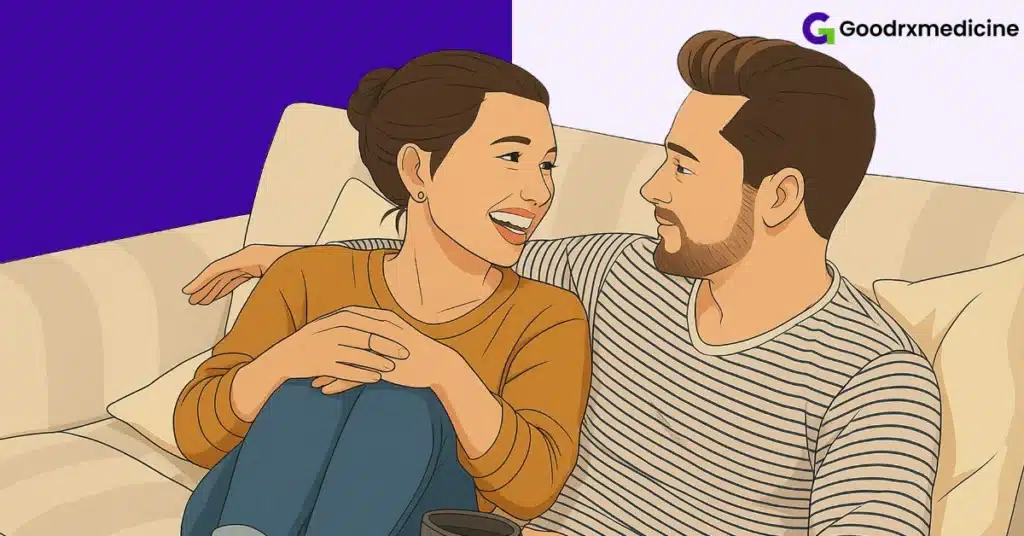
Intimacy thrives on connection, not just performance. When anxiety is left unspoken, it only grows heavier. Talking with anyone you trust can immediately cut pressure in half and ease anxiousness.
1. Communicate openly with your partner
For men, explaining to their partner that their erection or ejaculation issues are linked to nerves and not a lack of attraction can reduce pressure instantly. Simple phrases can work wonders to improve communication about sex.
- Sometimes I get nervous, but it’s not about you.
- I’d like us to slow down tonight.
- It helps me feel relaxed when we first laugh or talk during intimacy.
2. Focus on connection, not perfection
Chasing perfect performance suffocates intimacy. Instead, refocus on closeness and exploration to get over Sexual Performance Anxiety.
- Enjoy simple touch and laughter.
- Let go of rigid outcome-driven or orgasm-focused thinking.
- Celebrate connection, which is always more powerful than perfection.
- Change the vibe of the bedroom with candles, lights, or aromas. Make it more romantic and less stiff.
- Go on dates, dance together, or extend foreplay before taking the next steps.
Step 7: Seek professional help for SPA
If Sexual Performance Anxiety keeps repeating despite all your efforts, professional support is an essential next step to deal with it. Fear or avoidance of intimacy could be Genophobia, Erotophobia, or Coitophobia, which requires a proper diagnosis and treatment from a psychotherapist. Millions of men benefit from therapy, counseling, or short-term medications and overcome nervousness in the bedroom.
1. Explore therapy options
If you do not feel comfortable discussing it with your partner or if other options are not working, try therapy. It is especially helpful for men whose SPA is tied to past negative experiences, body image concerns, or long-standing Anxiety or depressive disorders.
Some commonly applied psychotherapy approaches include:
- Cognitive Behavioral Therapy (CBT): It replaces unhelpful thoughts with new patterns and brings positivity.
- Sex therapy: It focuses on comfort and intimacy without unrealistic pressure, making intimacy more enjoyable.
- Couples therapy: It creates open dialogue and shared support for you and your partner. You can get rid of that bedroom awkwardness and talk about real expectations and problems without feeling any shame.
2. Consider medication support
When Anxiety, low self-confidence and self-doubt result in Erectile Dysfunction (ED) or difficulty in achieving and maintaining erections, ED medicines can provide temporary relief. These work even better when you implement therapy and lifestyle changes to deal with its psychological causes.
Additionally, your healthcare provider might prescribe:
- Selective Serotonin Reuptake Inhibitors (SSRIs) or anti-anxiety medication for long-term management.
- Beta-blockers to control physical stress symptoms, like a rapid heartbeat.
Frequently Asked Questions
How common is male Performance Anxiety?
Male Performance Anxiety affects up to 25% of men worldwide, according to the data collected by the Sexual Medical Review journal from 2000 to 2018. They also observed that SPA often contributes to Premature Ejaculation and ED when left untreated.
What do men worry about most in bed?
Men most often worry about lasting long enough, getting or keeping an erection, bringing their female partner to orgasm, and measuring up physically or sexually. Many males also fear rejection, their partner not enjoying sex and body image issues, all of which can fuel anxiety.
What are the psychological causes of Performance Anxiety?
Performance Anxiety often comes from psychological worries like fear of not satisfying a partner, low self-esteem, and body image issues. Other causes could be past sexual trauma, relationship conflicts, stress, or general anxiety disorders. Such thoughts make it harder to relax, feel desire, or enjoy intimacy.
Can Performance Anxiety cause ED even in healthy men?
Yes, intense worry, stress and Performance Anxiety can cause ED. It can constrict blood vessels, lower testosterone levels and thus, cause sexual dysfunction. Over time, if left untreated, this cycle of fear and failure can turn occasional issues into persistent Erectile Dysfunction.
Does Viagra help with Performance Anxiety?
No, Viagra and other Erectile Dysfunction pills can only improve blood flow for better erections. However, when Performance Anxiety causes issues in the bedroom, medicines can be helpful to rebuild confidence in the short term. For long-term relief, you will still need to adopt healthier lifestyle habits and seek psychosexual therapy.
How do I know if it’s Anxiety or Erectile Dysfunction?
To know if it’s Anxiety or ED, observe if erections happen normally during masturbation or in the morning but fail during intimacy. In contrast, consistently weak erections and morning wood may indicate Erectile Dysfunction. A doctor can help confirm and guide treatment.
GoodRxMedicine only refers to credible, authoritative sources for our content. If you're curious about how we ensure the integrity of our content, we encourage you to read our Content Information Policy.

Julian Carter is a highly accomplished MBA graduate in Pharmaceutical Management, celebrated for his extensive experience and exceptional skills in the pharmaceutical industry. With a wealth of knowledge and expertise, Julian is a valuable contributor to the field and a trusted voice in pharmaceutical management.
As a contributing writer for Goodrxmedicine.com, Julian is committed to educating and empowering individuals to make informed decisions about their health. His passion for the industry is evident in his work, and his dedication to improving the lives of others through education and empowerment is truly remarkable.
With a reputation for excellence and a track record of success, Julian Carter is a respected and admired figure in pharmaceutical management. His insights and contributions to the field are highly valued, and her expertise has helped shape the direction of the industry for the better.
Through his work as a contributing writer for Goodrxmedicine.com and beyond, Julian continues to make a meaningful impact in the lives of many. His commitment to excellence and dedication to improving the health of individuals and communities around the world make him an inspiration to others in the field.