






High Testosterone in men refers to hormone levels that rise above the normal range of the body’s needs. Testosterone plays a central role in muscle strength, sexual drive, energy, and mood. o even moderate elevations can noticeably affect how the body functions.
When testosterone (T) levels are at the higher end of the normal range, men may experience benefits such as improved muscle tone, higher libido, stronger bones, and better focus. However, when levels rise beyond healthy levels, side effects like acne, irritability, sleep problems, or impulsive behavior can begin to surface. These early signs are often subtle and overlooked.
This article discusses the symptoms and effects of high testosterone and why it matters for long-term health. Factors such as genetics, lifestyle habits, supplements, and certain medical conditions can all influence testosterone levels. This is why proper evaluation is important to understand the causes while reducing potential risks.
What is High Testosterone in men?
High Testosterone becomes a concern when hormone levels move beyond what the body can safely regulate. This imbalance increases the risk of physical, emotional, and reproductive effects instead of improved performance. Early detection helps prevent minor changes from becoming serious health issues.
Testosterone levels are measured in nanograms per deciliter (ng/dL). These levels naturally vary with age, peaking in the late teens and early 20s. Here is the list of testosterone levels by age:
- 20s and 30s: 300-1000 ng/dL
- 40s and 50s: 200-900 ng/dL
- 60 and above: 200-800 ng/dL
Levels below 200 ng/dL often cause low testosterone symptoms, while levels consistently at 1,200 ng/dL or above are considered high and can produce noticeable effects.
Save up to 90% on your medicine bills
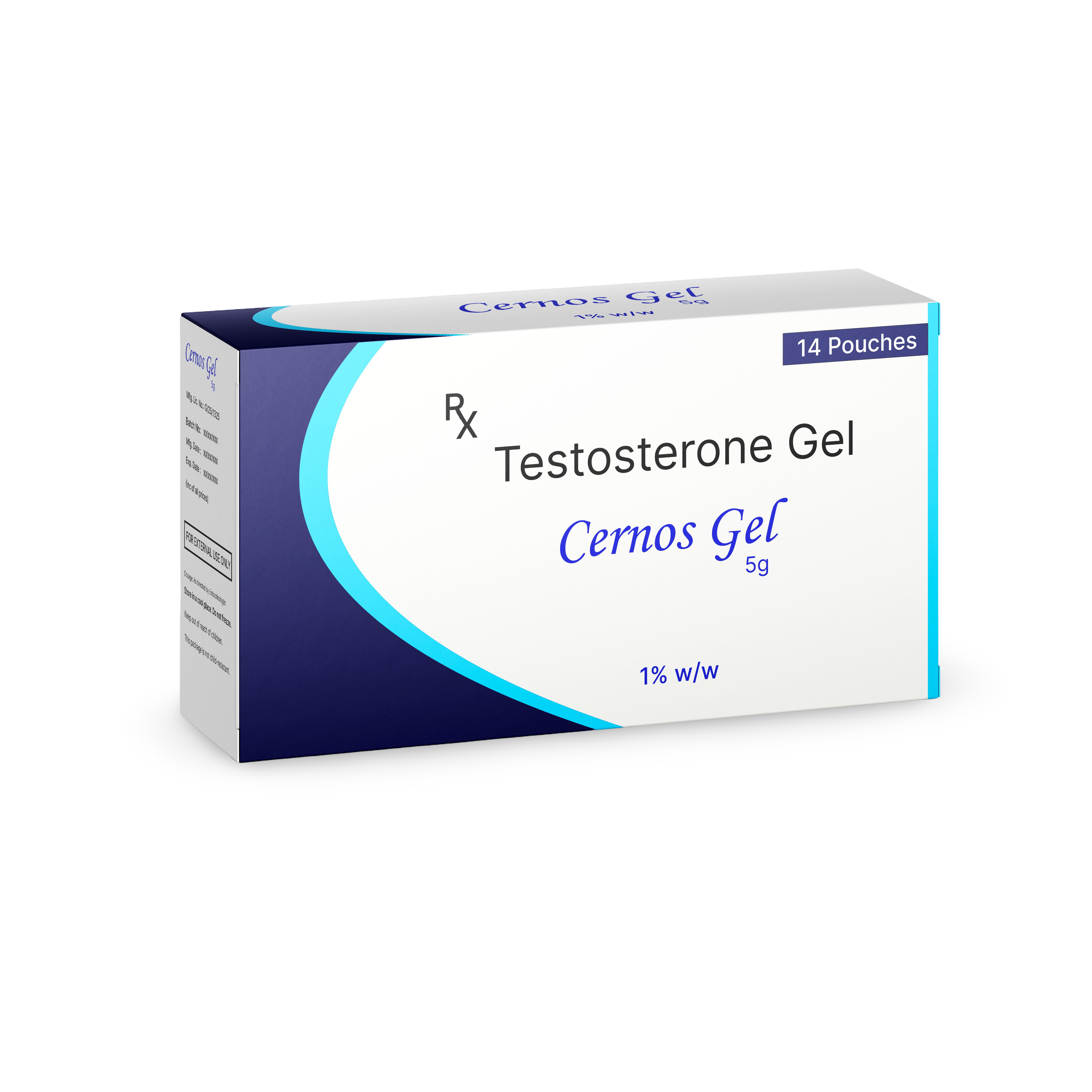
Cernos Gel 1%w/w
Starting at just $3.06 per sachetBuy Now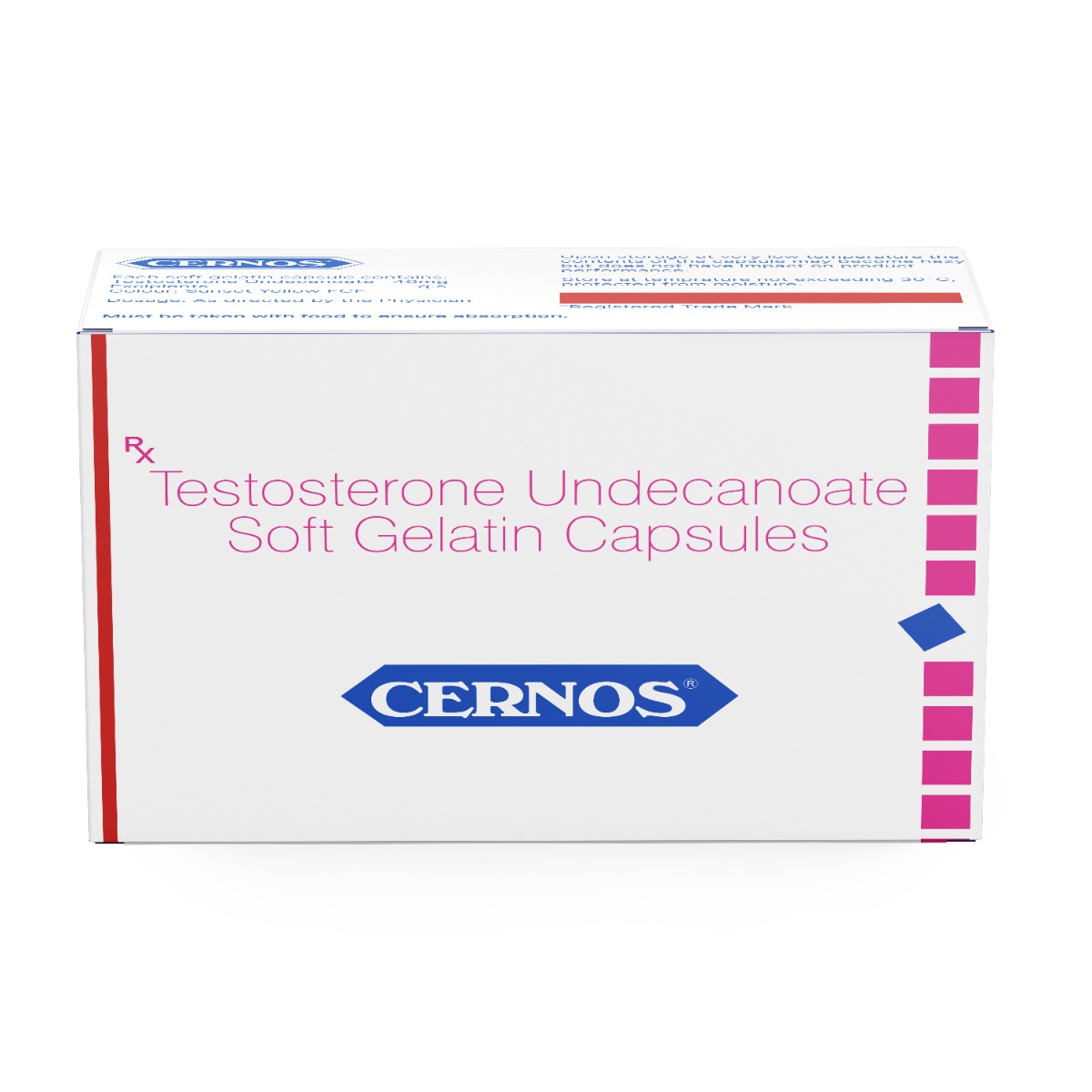
Cernos 40 Mg Soft Gelatin Capsule
Starting at just $1.48 per capsuleBuy Now
Sustanon 250 Injection
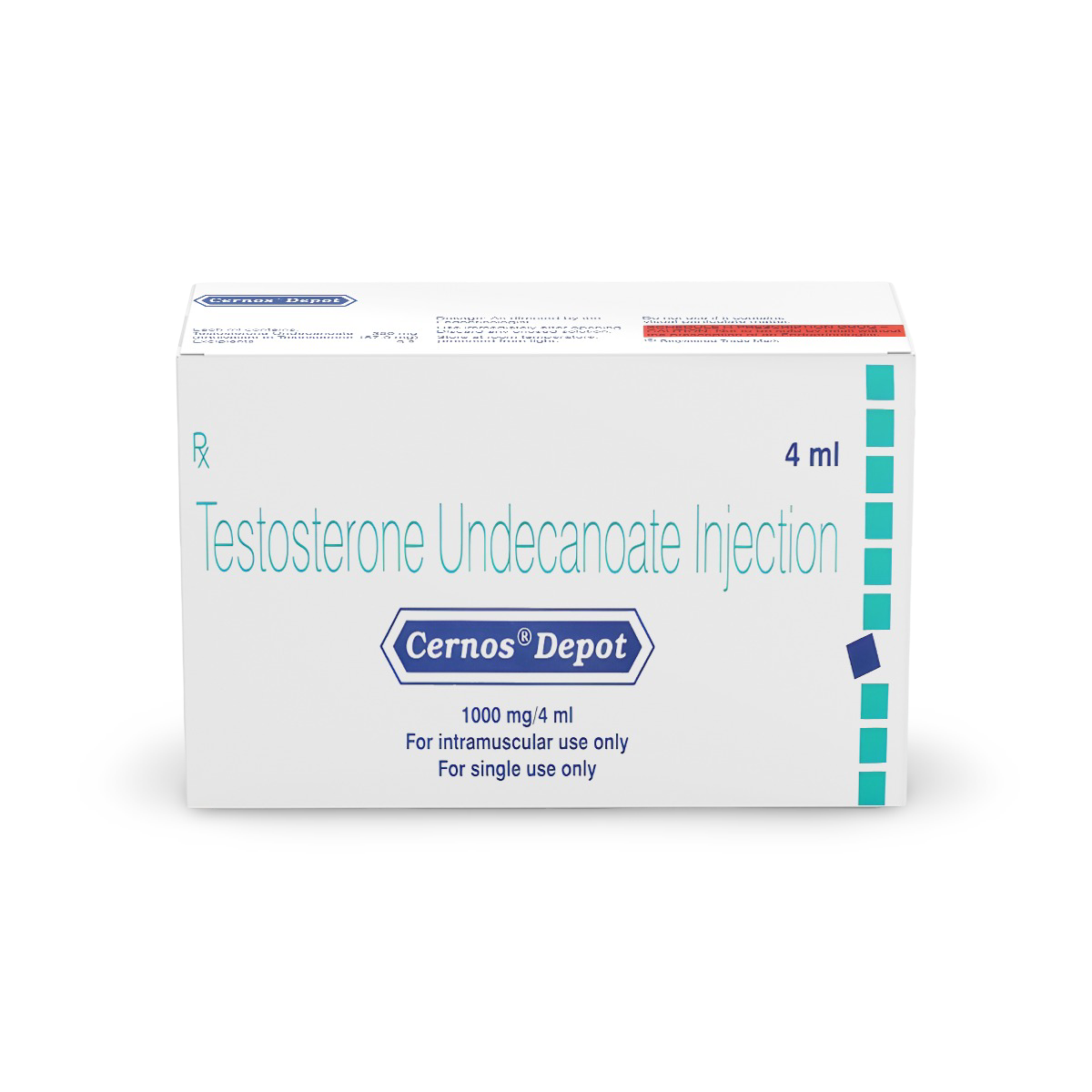
Cernos Depot 1000 Mg Injection
Symptoms of High Testosterone in men
When testosterone levels go above the normal range, your body often sends early signals long before serious complications develop. These symptoms can show up in the skin, mood, sexual health, and day-to-day energy. Here’s what you can experience:
- Acne and oily skin are often similar to the breakouts that occur during teenage years.
- Mood shifts, such as irritability, impatience, or feeling restless.
- Some men may experience increased body or facial hair.
- High T due to steroids or supplements can cause low sperm count and smaller testicles.
- Unexplained weight gain or sudden increases in muscle mass.
- Fluid retention, especially swelling in the legs or feet.
- Higher energy with more impulsive behavior.
- Sleep disturbances, including worsening of existing Obstructive Sleep Apnea (OSA), due to high testosterone’s effects on airway muscles, which is most common in early TRT.
When these symptoms appear or persist, it is important to get your testosterone levels tested.
Causes of High Testosterone
High Testosterone doesn’t always come from a single source. In many cases, it’s a mix of lifestyle habits, medications, or underlying medical conditions. Here are the most common causes of high T levels:
- Anabolic steroid or testosterone supplement use: Anabolic-androgenic Steroids (AAS), testosterone gels and injections, or even natural boosters like Dehydroepiandrosterone (DHEA) can push levels beyond the healthy range.
- Tumors in the testicles or adrenal glands: These are usually benign (noncancerous growth) but can gradually release excess testosterone without causing pain or visible symptoms.
- Genetic conditions like Congenital Adrenal Hyperplasia: The adrenal glands can produce excess androgen hormones if hormone pathways are altered from birth.
- Other hormonal disorders: Issues involving the thyroid, pituitary gland (the hormone-regulating gland in the brain), or cortisol (the stress hormone) levels can disrupt testosterone levels.
- Intense exercise: Very intense training, specifically resistance training, can temporarily increase T levels, and then they return to baseline in 1-2 hours.
- Medications: Certain medicines, including Chorionic Gonadotropin (fertility and hormone medicine), can stimulate excess testosterone production.
Common and long-term side effects of High Testosterone in men
High testosterone levels can affect the body in different ways. Some effects show up quickly and are often mild, while others develop slowly when levels stay high for a long time. Understanding this difference helps you know what is common and what needs closer attention.
Common side effects
These effects are often noticeable in day-to-day life. They may come and go depending on how high testosterone levels are and what is causing them. The following side effects usually appear within 2 weeks of high T levels in your body:
- Acne or oily skin
- Increased irritability or mood swings
- Increased body hair growth
- Headaches or a feeling restless
Long-term side effects
The long-term effects usually develop only when testosterone levels remain high for a prolonged period, especially due to supplements, injections, or anabolic steroid use. These side effects usually appear within 3-12 months of consistent High T levels:
- Reduced fertility over time: Persistent high testosterone levels can interfere with sperm production, increasing the risk of low sperm count or infertility.
- Higher cardiovascular strain: Elevated testosterone can increase red blood cell production, making the blood thicker and raising the risk of blood clots, heart attack, or stroke.
- Hormonal suppression: External testosterone use can signal the body to reduce its own testosterone production, which may make natural hormone recovery difficult after stopping.
- Organ stress: Oral anabolic steroids are processed by the liver and can cause liver damage with long-term use. Naturally high testosterone does not usually cause this issue.
- Emotional instability: Ongoing hormonal imbalance may increase anxiety, anger, and difficulty handling stress over time.
Diagnosis of high testosterone levels in men
If your doctor suspects irregular testosterone levels, they may suggest one or more tests to understand how the hormones are functioning and what might be causing the imbalance. Here are the most common tests that a doctor may recommend:
- Total testosterone blood test: This is typically performed in the morning, when testosterone levels naturally peak.
- Follicle-Stimulating Hormone (FSH) blood test: This test helps the doctor understand whether the problem is related to how the testicles are functioning.
- Luteinizing Hormone (LH) blood test: Abnormal LH levels can show whether the pituitary gland is contributing to testosterone imbalance.
Testosterone levels naturally peak in the morning, which is why testing is best done early in the day. Measurements taken later, especially in the evening, may appear lower and can give misleading results.
How to treat High Testosterone
Managing High Testosterone in men often involves a mix of lifestyle changes, targeted treatments, and proper medical evaluation. The goal is to bring your hormone levels back into a healthy range while addressing the underlying cause. Follow these steps:
- Review medications and steroid use: If anabolic steroids or hormone medicines cause High Testosterone, a doctor may guide a gradual stop to help natural hormone production reset safely.
- Treat underlying medical conditions: Adrenal, testicular, pituitary, or thyroid issues can raise testosterone levels, and treating these conditions helps normalize hormone levels.
- Use hormone-regulating medicines when needed: In rare cases, doctors may prescribe treatments that adjust brain-to-hormone signals to reduce excess testosterone.
- Avoid testosterone-boosting supplements: Products like Selective Androgen Receptor Modulators (SARMs) and natural boosters can push testosterone too high and should be stopped.
- Maintain a healthy body weight: Excess body fat disrupts hormone balance, and gradual weight control helps regulate testosterone levels.
- Exercise without overtraining: Moderate strength training and cardio help balance hormones without overstimulating testosterone production.
- Limit alcohol and improve sleep: Alcohol and poor sleep interfere with hormone control, while consistent rest supports normal testosterone regulation.
- Follow a balanced diet: Specific changes to your daily diet can help regulate testosterone levels in your body. Healthy fats from fish (Omega-3) and reduced sugar intake support steady hormone regulation and prevent spikes.
Also read: For a detailed list of foods that help lower testosterone, you can read 12 Types of Foods That Lower Testosterone in Men and Women.
When to see a doctor
Occasional symptoms or short-term hormone changes are not always a cause for concern. However, medical advice becomes important when signs suggest that testosterone levels may be persistently high or linked to an underlying condition that needs evaluation.
You should consult a doctor if you notice:
- If symptoms appear suddenly or worsen quickly.
- Physical changes occur without supplement or steroid use.
- Fertility concerns, such as difficulty conceiving despite regular attempts.
- Blood test results repeatedly show testosterone levels above the normal range.
- You experience new or unexplained breast tissue growth or testicular changes.
- Emotional or behavioral changes begin affecting work, relationships, or decision-making.
- There is a personal or family history of hormone-related tumors or endocrine disorders (conditions caused by hormone imbalances).
Early medical evaluation will help identify whether High Testosterone is temporary, medication-related, or a sign of a condition that requires targeted treatment.
Conclusion
High Testosterone in men can impact everything from your energy and mood to your skin, hair, and confidence. When T levels are on the higher end of the normal range, you can experience increased strength or sharper features. However, if the hormone levels increase beyond the normal range, it can cause acne, irritability, and reproductive issues.
The causes of high T levels range from lifestyle choices, such as steroid or supplement use, to medical conditions like tumors or genetic disorders. Testing hormone levels through total testosterone blood tests helps pinpoint the issue and guide the treatment.
Managing High Testosterone often starts with lifestyle changes, a balanced diet, exercise, and stress reduction, before considering medications like Gonadotropin-regulating treatments. Timely medical consultation is crucial, especially if symptoms persist or underlying health risks appear.
It is important to maintain testosterone levels within a healthy range to support long-term wellness and help prevent complications like cardiovascular issues. Recognizing the impact of high testosterone levels in men on the body enables informed decisions for optimal health and balance.

Frequently Asked Questions
Do skinny guys have High Testosterone?
No, being skinny doesn’t automatically mean you have High Testosterone. Testosterone levels depend on factors like genetics, diet, and lifestyle. Body type alone isn’t a reliable indicator of hormone levels or testosterone imbalance in men.
Does not ejaculating for 7 days increase testosterone?
No, abstaining from ejaculation for seven days does not significantly increase testosterone levels. Testosterone fluctuations are influenced by complex hormonal cycles and not by ejaculation frequency. Temporary changes and habits don’t usually impact overall testosterone balance in men.
Does testosterone cause Diarrhea?
No, testosterone itself does not cause Diarrhea. However, certain testosterone-related supplements or medications might lead to digestive side effects. If you experience Diarrhea after starting hormone therapy or supplements, consult your doctor for proper evaluation.
Is high testosterone linked to increased risk-taking behavior?
Yes, high testosterone levels may increase impulsive behavior and a tendency to take risks, potentially affecting judgment and social relationships. These changes can sometimes lead to conflicts or poor decisions, so monitoring mood and behavior is important if such signs appear.
Is High Testosterone linked to hair loss in men?
Yes, High Testosterone can be linked to hair loss in men. When testosterone converts to Dihydrotestosterone (DHT), it may shrink hair follicles, leading to male pattern baldness. This is a common effect of testosterone imbalance in men.
GoodRxMedicine only refers to credible, authoritative sources for our content. If you're curious about how we ensure the integrity of our content, we encourage you to read our Content Information Policy.

Julian Carter is a highly accomplished MBA graduate in Pharmaceutical Management, celebrated for his extensive experience and exceptional skills in the pharmaceutical industry. With a wealth of knowledge and expertise, Julian is a valuable contributor to the field and a trusted voice in pharmaceutical management.
As a contributing writer for Goodrxmedicine.com, Julian is committed to educating and empowering individuals to make informed decisions about their health. His passion for the industry is evident in his work, and his dedication to improving the lives of others through education and empowerment is truly remarkable.
With a reputation for excellence and a track record of success, Julian Carter is a respected and admired figure in pharmaceutical management. His insights and contributions to the field are highly valued, and her expertise has helped shape the direction of the industry for the better.
Through his work as a contributing writer for Goodrxmedicine.com and beyond, Julian continues to make a meaningful impact in the lives of many. His commitment to excellence and dedication to improving the health of individuals and communities around the world make him an inspiration to others in the field.