


An erection is a natural and normal bodily response in the male body that involves the brain, nerves, blood vessels, hormones, and muscles working together. When all of these work in sync, it happens naturally. However, when something interferes with this process, they can become weaker, less consistent, or harder to maintain.
Many men are curious about the stages and types of erections, while some worry about changes in their firmness, frequency or duration. Even though age-related changes and health conditions may raise concerns about performance, understanding what is normal and what requires medical support is crucial.
Thus, this blog explains what an erection is and what affects it. You will also learn when erectile difficulties are normal and when they could signal Erectile Dysfunction (ED) requiring medical intervention. You will get all the information surrounding this topic, along with possible treatment options and lifestyle changes that support harder erections.
What is an erection?
The term erect means upright or firm. Thus, erection is the process by which the penis becomes firm and enlarged for sexual activity. However, having them doesn’t always mean that men want or desire intercourse at that time.
A male erection occurs when signals from the brain and nerves cause blood vessels in the penis to relax and open wider. This allows more blood to flow in and temporarily become trapped. This usually happens during sexual arousal with physical touch or neurological triggers.
For most males, the average erection duration can range anywhere from 5.5 minutes (during intercourse) to 30.5 minutes (nocturnal), depending on arousal level, comfort with their partner and vascular health. However, there is no fixed timeline for how long an erection lasts or should last during sex.
Moreover, contrary to popular opinion, the size or duration alone does not reliably predict sexual performance, male fertility, or your partner’s satisfaction.
Save up to 90% on your medicine bills
How does an erection work?
An erection develops through a coordinated, step-by-step process involving the brain, nervous system, vascular pathways, hormones, and smooth muscles in the penis. Each stage plays a specific role in making the penis firm and then returning it to its resting flaccid state.
- Sexual excitation phase (Arousal): Sexual stimulation, whether physical touch, visual cues, or mental arousal, activates specific brain centers. These signals travel through the nervous system to prepare the penile blood vessels for increased blood flow.
- Vasodilation and tumescence phase (Firmness): In response to nerve signals, the body releases Nitric Oxide (NO), a natural chemical messenger that relaxes the smooth muscles. This allows more blood to flow into two sponge-like chambers inside the penis called the corpora cavernosa. The penis enlarges and becomes firm to produce an erection.
- Venous occlusion and erection maintenance phase (Plateau): As the corpora cavernosa expand, veins that usually carry blood away from the penis become compressed. This slows blood outflow and temporarily traps blood inside the penis. This helps maintain the erection.
- Detumescence phase (Return to flaccid state): When sexual stimulation decreases or ends, NO levels fall. Blood vessels constrict, trapped blood drains, and normal circulation resumes. As a result, the penis gradually returns to its soft, non-erect state.
Types and causes of erection
Erections can occur for various reasons involving psychological triggers, physical factors or a combination of both. Depending on the causes, they are categorised into three types.
- Psychogenic erections: These start in the brain and are triggered by sexual thoughts, visual cues, emotions, or fantasies.
- Reflex erections: They occur due to direct physical touch or stimulation of the genital area. These rely more on nerve pathways in the lower spinal cord and less on conscious thoughts.
- Nocturnal erections: These happen during sleep, especially during the Rapid Eye Movement (REM) cycle. Most men wake up with a Nocturnal Penile Tumescence (NPT), known as Morning Wood in lay terms. These involuntary reactions, up to 3 to 5 times nightly, are a sign of healthy nerve function and blood flow.
What affects an erection?
Erection strength, duration, and frequency depend on several physical, psychological, and lifestyle-related factors, as explained below.
- Aging: As males age, they tend to take longer to develop, feel less firm, or occur less frequently. These changes are more common in men in their 40s and 50s.
- Hormonal balance: Testosterone levels naturally decline with age, which can contribute to low libido and weak erections.
- Psychological factors: Stress, Anxiety, Depression, and relationship concerns can disrupt brain signaling involved in arousal.
- Lifestyle habits: Poor sleep, smoking, excess alcohol use, improper diet and a sedentary lifestyle can affect hormone levels and erectile strength over time.
- Cardiovascular health: Conditions that affect blood vessels, such as Atherosclerosis (improper dilation), high cholesterol or poor cardiac health, can reduce penile blood flow.
- Nerve function: Nerve damage from injuries, surgeries, or chronic conditions can interfere with signaling and affect erectile function.
- Chronic medical conditions: Diabetes, High Blood Pressure (Hypertension) and Obesity are common contributors to impaired blood flow as well as erectile issues.
- Medications: Some prescription medicines like beta-blockers, antidepressants and anti-anxiety medicines can interfere with erections as a side effect. They can affect blood pressure, nerve signals, or hormone levels.
How to get and maintain firm erections
You can easily get an erection either solely with sexual stimulation or with medications. But the quality and longevity depend on lifestyle and behavioral factors as well as overall vascular health and underlying conditions.
Get harder erections without medications
Improving erection starts with everyday, long-term habits that naturally and gradually support erectile function. These include:
- Lifestyle changes: Regular physical activity, maintaining a healthy weight and managing conditions like Diabetes or High Blood Pressure improve blood circulation and heart health. This directly supports firmness and duration.
- Kegel exercises: Consistent pelvic floor (Kegel) exercises help strengthen muscles that support erections.
- Stress and sleep management: A consistent sleep routine and relaxation techniques like yoga or breathing exercises support healthier function and sexual stamina.
- Foods that help erections: A balanced diet with fruits, vegetables, whole grains, lean proteins, and healthy fats supports blood vessel health and erectile response.
- Over-the-counter supplements: Nutrients like zinc, magnesium, vitamin D, L-citruline and L-arginine support Nitric Oxide production. Filling nutrient gaps can naturally improve erectile strength and physical stamina.
Maintain erections with medical support
Occasional changes are common and often temporary. However, persistent difficulty getting or maintaining erections could indicate Erectile Dysfunction. A doctor, preferably a urologist, will diagnose possible causes of ED and personalize a treatment plan for you. Available medical options include:
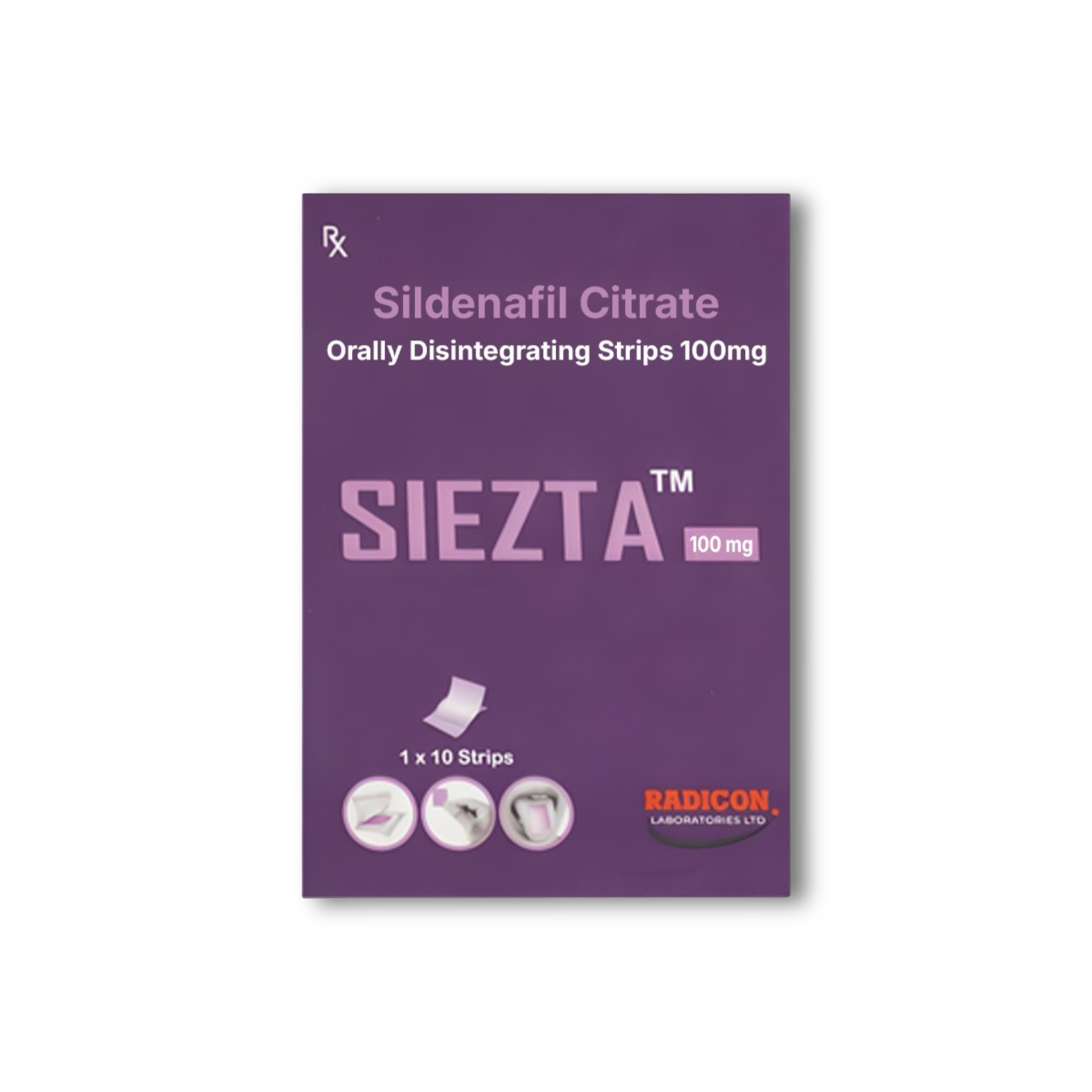
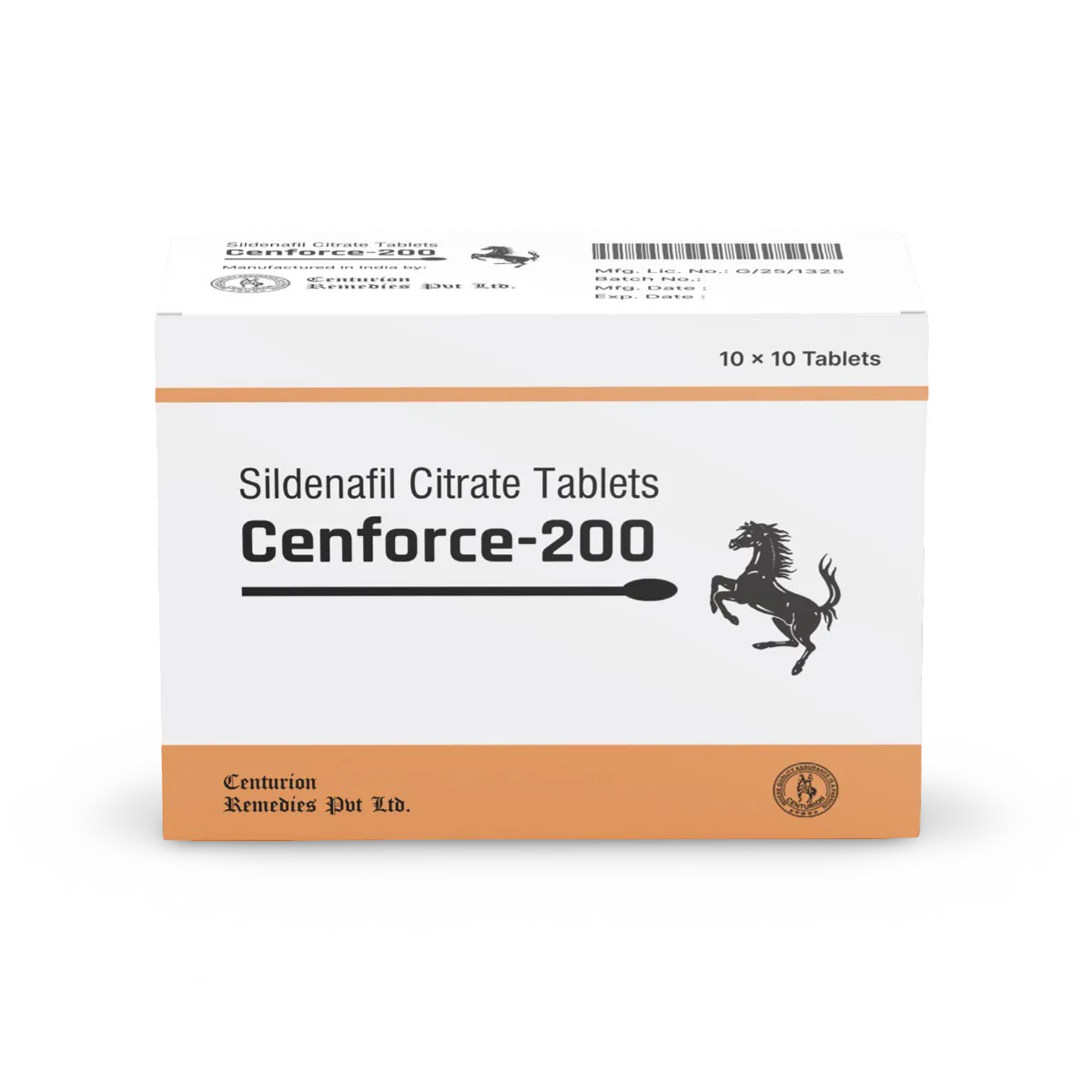
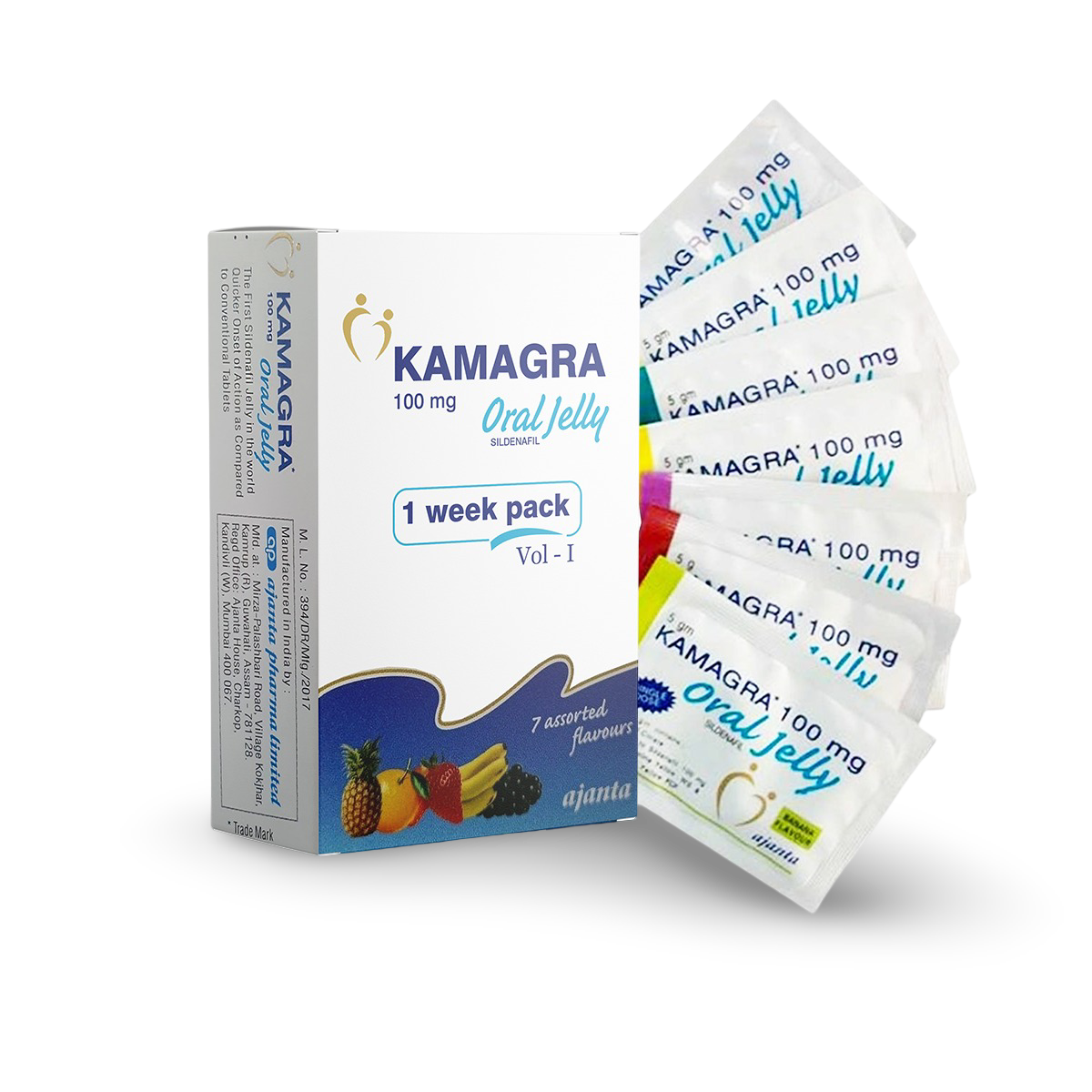
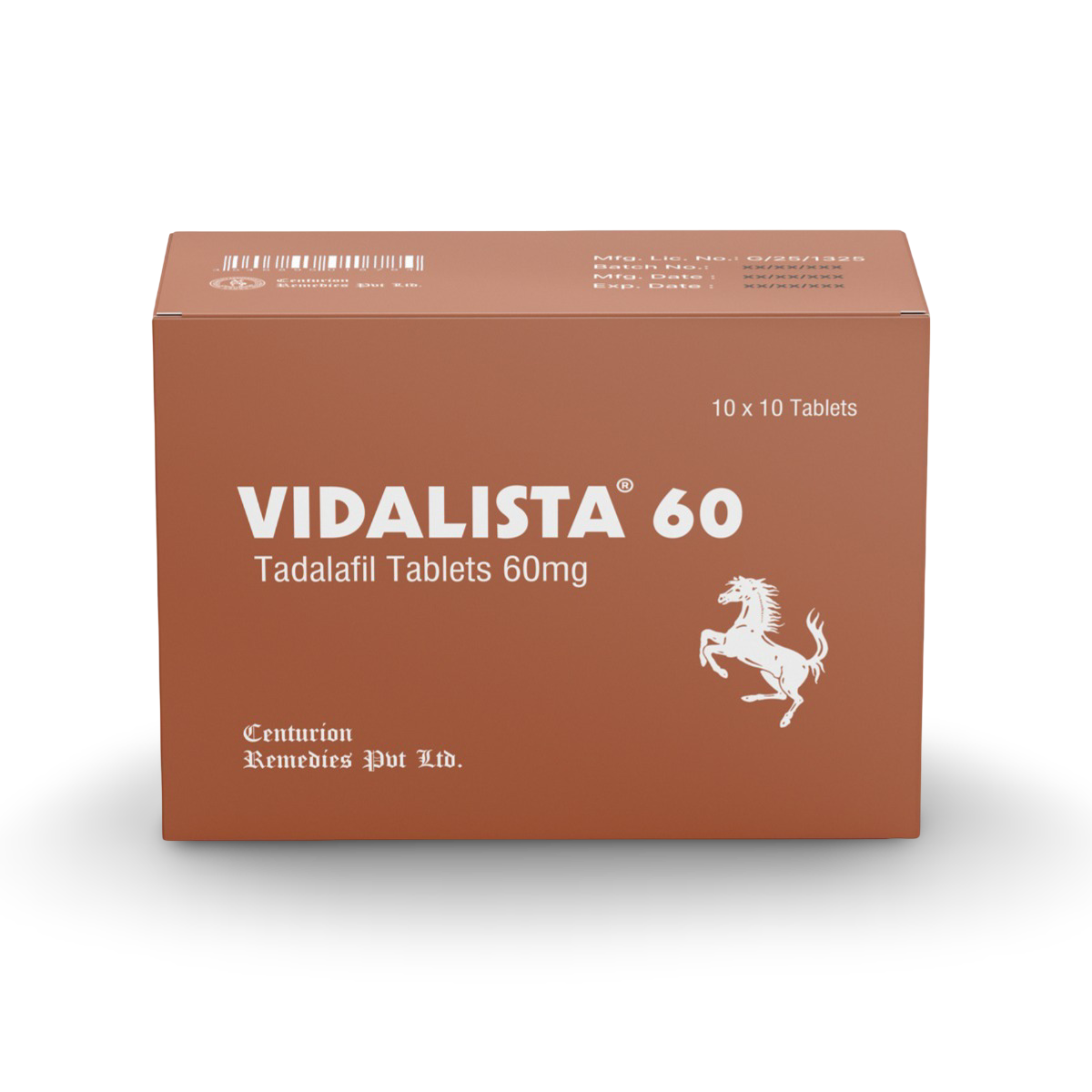
- Prescription ED pills: ED medicines, from the Phosphodiesterase type 5 inhibitor class, help improve blood flow to the penis during sexual stimulation. Some popular FDA-approved options include Sildenafil, Tadalafil, Vardenafil and Avanafil.
- Penile injections: These involve injecting medication (like Alprostadil) directly into the penile tissue to widen blood vessels and produce an erection. Penile injections work independently of sexual stimulation and are usually prescribed when ED pills are ineffective.
- Testosterone Replacement Therapy (TRT): It is prescribed when Low Testosterone is confirmed through blood tests and clearly linked to erectile issues or low libido. Supplementation can improve erectile response by treating hormonal deficiency.
- Vacuum Erection Devices (VEDs): These mechanical vacuum pumps use gentle suction to draw blood into the penis. Thereafter, a constriction ring helps trap the blood to maintain firmness.
Conclusion
An erection is a natural process that depends on clear communication between the brain, nerves, penile blood vessels, hormones, and smooth muscles in the penis. It develops through specific stages of arousal, firmness, maintenance, and then returns to the resting, flaccid state.
It can occur for different reasons, including mental stimulation or physical touch, and even involuntarily during REM sleep. Thus, they are categorized into three types as psychogenic, reflex and nocturnal erections (including morning wood) respectively.
Variations in strength, duration, and frequency are common and influenced by factors such as aging, mental health, underlying conditions and existing medications. While occasional erectile difficulty is normal, persistent or sudden problems may signal underlying cardiovascular issues or Erectile Dysfunction that deserve attention.
Lifestyle adjustments like a Nitric Oxide and zinc-rich diet, regular exercise and stress management can support erectile health and stamina. If determined suitable by your healthcare provider, medical options such as ED pills, penile injections and vacuum pumps can be prescribed for stronger erections.

Frequently Asked Questions
Is it normal to have morning erections every day?
Yes, it is normal to have spontaneous morning erections every day or on most days. These are usually a sign of healthy blood flow and nerve function. Known as morning wood, they often occur during the REM sleep cycle due to increased blood circulation.
What is the average erect size of the penis?
Medical studies show that the average erect penis length ranges between 5.1 and 5.5 inches, with an average girth of 4.5 inches. While not all men will fall within this range, values above and below it are normal, too. Erect penis size is influenced by genetics, body structure, and individual anatomy.
Can hot water cause Erectile Dysfunction?
No, short, occasional hot showers or hot baths will not cause Erectile Dysfunction. However, frequent, prolonged exposure to very hot water (hot baths or saunas) may temporarily lower sperm count and testosterone by raising scrotal temperature. Thus, in the long run, it may affect male erection or fertility.
Can stress alone cause erection problems?
Yes, stress alone can directly contribute to erectile problems or even occasional Psychological ED. Stress narrows blood vessels, alters hormone balance, and reduces sexual desire. Even without physical health issues, ongoing stress or Anxiety can make erections less consistent or harder to maintain.
Is it normal to lose an erection sometimes?
Yes, losing an erection sometimes is common and usually normal. Distraction, fatigue, mood change, Performance Anxiety, or reduced stimulation can cause you to lose it. However, if it happens too frequently and affects physical intimacy, consult a healthcare professional.
How to get rid of an unwanted erection?
While most untimely erections resolve on their own, you can get rid of unwanted erections by thinking about a non‑sexual topic, changing positions and practising slow, deep breathing. If possible, take a cold shower or flex other muscles to divert blood flow from your penis to elsewhere.
Citations
GoodRxMedicine only refers to credible, authoritative sources for our content. If you're curious about how we ensure the integrity of our content, we encourage you to read our Content Information Policy.
Average rating 4.9 / 5
How useful was this post?
Click on a star to rate it!
Julian Carter is a highly accomplished MBA graduate in Pharmaceutical Management, celebrated for his extensive experience and exceptional skills in the pharmaceutical industry. With a wealth of knowledge and expertise, Julian is a valuable contributor to the field and a trusted voice in pharmaceutical management. As a contributing writer for Goodrxmedicine.com, Julian is committed to educating and empowering individuals to make informed decisions about their health. His passion for the industry is evident in his work, and his dedication to improving the lives of others through education and empowerment is truly remarkable. With a reputation for excellence and a track record of success, Julian Carter is a respected and admired figure in pharmaceutical management. His insights and contributions to the field are highly valued, and his expertise has helped shape the direction of the industry for the better. Through his work as a contributing writer for Goodrxmedicine.com and beyond, Julian continues to make a meaningful impact in the lives of many. His commitment to excellence and dedication to improving the health of individuals and communities around the world make him an inspiration to others in the field.
Learn MoreDr. James Mitchell is a board-certified physician with 18+ years of clinical experience in Sexual Medicine and Reproductive Health. He helps patients navigate intimate health concerns through medically sound guidance and compassionate, patient-centered care.
Learn More