


Cialis is a brand-name form of Tadalafil, an FDA-approved oral medicine used to treat Erectile Dysfunction (ED). Many men trust it because it allows them to achieve stronger erections within an hour of intake. With its long duration of action and lower dose requirements, it is suitable for both on-demand and daily use.
However, for reliable results, taking the right strength at the prescribed frequency is important. Moreover, understanding how Cialis works and how it interacts with specific food items and existing medications is crucial for safe use.
Thus, this blog explains its mechanism of action, recommended dosing chart, usage guidelines and safety considerations.
What is Cialis and how does it work?
Cialis is the brand-name form of Tadalafil, a prescription oral medicine approved to treat Erectile Dysfunction (ED) and select cases of Benign Prostatic Hyperplasia (BPH). It belongs to a group of medicines called Phosphodiesterase type 5 (PDE5) inhibitors.
When sexually aroused, the male body releases Nitric Oxide. It helps increase cyclic Guanosine Monophosphate (cGMP) levels. As an inhibitor, Cialis blocks the PDE5 enzyme, which normally breaks down cGMP. As a result, the smooth muscles relax, and more blood begins to flow into the penis. This vasodilatory process helps a man achieve and sustain a firmer erection.
In men with BPH, this mechanism of action helps relax smooth muscles in the prostate and bladder. This helps improve urinary symptoms such as weak or slow stream, urgency, and frequent urination.
Other useful details about Cialis you must know before use include:
- Onset of action: As-needed dose is typically taken at least 30-60 minutes before sexual activity for improved erections.
- Peak time: Tadalafil usually reaches peak blood levels in about 2 hours after a dose.
- Duration of action: Cialis can stay in the system for up to 36 hours, which is why it is often called the weekend pill.
Save up to 90% on your medicine bills
What is Cialis used for?
Cialis is used primarily to treat Erectile Dysfunction to improve erections. Its other therapeutic benefits and use cases are explained below:
- Management of BPH: It is also approved for the management of Benign Prostatic Hyperplasia at a once-daily dose.
- Long-term daily use: Since many men experience both erection problems and urinary symptoms, a once-daily 5 mg Tadalafil dose can help manage both conditions. Clinical evidence over 24 months shows that low-dose daily Tadalafil is effective and well-tolerated for long-term use when taken under medical guidance.
- Use in Pulmonary Arterial Hypertension: While Tadalafil 20 mg (under the brand name Adcirca) is prescribed to manage Pulmonary Arterial Hypertension (PAH) in adults, brand-name Cialis by itself is not approved for such use. However, it might be taken to reduce pulmonary vascular resistance with medical advice.
- Limited off-label uses: Tadalafil is advised off-label for Raynaud’s Phenomenon and High-Altitude Pulmonary Edema (HAPE) in selected high-risk individuals, under medical supervision.
Cialis strengths and recommended dosage
Cialis is available in strengths of 2.5, 5, 10, and 20 mg. Generic Tadalafil options are also available in higher strengths of 40 mg and above. Cialis dosage is determined by a doctor based on symptom severity, frequency of sexual activity, and overall health.
The recommended dosing of Tadalafil for different conditions is listed below:
- ED (as-needed use): 10 mg taken 30-60 minutes before sexual activity, adjustable to 20 mg if needed.
- ED (as-needed or daily): 2.5 mg or 5 mg once daily for ongoing support or for older men with kidney or liver disease.
- BPH (daily use): 5 mg once daily for men to relieve urinary symptoms from an enlarged prostate.
- ED and BPH (daily use): 5 mg once daily to manage both symptoms.
How to take Cialis for maximum effect on erections
For consistent improvements in your symptoms and minimal side effects, follow your doctor’s instructions carefully. To get maximum effect from Cialis,
- Swallow 1 tablet with a full glass of water.
- Take the pill 30 minutes to 60 minutes before sexual activity, when prescribed for ED.
- Do not split, crush or chew the oral tablet.
- Take it on an empty stomach or after a light meal for quicker onset.
- Avoid alcohol or grapefruit juice in the 2 hours preceding and succeeding your dose, as these can increase the risk of side effects.
Whereas for daily therapy, take it at the same time each day. If you forget it, take it as soon as you remember, unless it’s within 12 hours of your next scheduled dose.
Side effects of Cialis
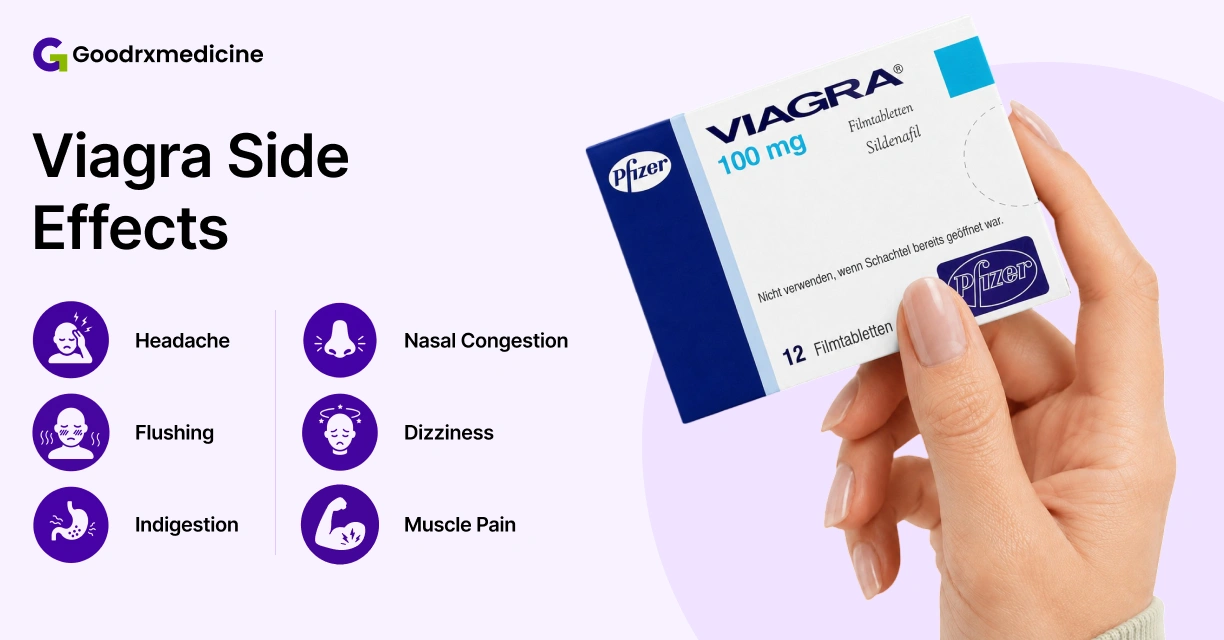
Tadalafil, the active ingredient in Cialis, is generally well tolerated when taken at the prescribed dose. Most side effects are mild and temporary. These include:
- Facial flushing
- Indigestion or stomach discomfort
- Nasal congestion
- Muscle or back pain
- Headache
- Dizziness
These effects resolve on their own as the body adjusts to the medication. However, seek urgent medical care if you experience rare side effects such as chest tightness, sudden vision or hearing loss, or a prolonged, painful erection of over four hours.
Cialis interactions and safety considerations
Cialis can interact with food, alcohol, certain health conditions, and several medications. Some interactions only increase side effects, such as headache or dizziness, while others can cause severe adverse reactions or reduce its efficacy. Thus, it is important to know about and avoid these as much as possible for safe results with Cialis.
Food interactions
Cialis can be taken with or without food, so regular meals do not usually affect how well it works. However, some drinks can affect your response to the medicine, such as:
- Grapefruit and grapefruit juice: They can raise Tadalafil levels in the body, which can increase the risk and severity of side effects.
- Alcohol: Excessive alcohol consumption with Tadalafil can increase the chances of low blood pressure, dizziness, and fainting.
Disease interactions
Some health conditions can make Cialis less suitable. This means your doctor will need to adjust and monitor your dose more carefully. These include:
- Heart disease: ED pills should not be used if sexual activity itself is deemed medically unsafe because of cardiovascular status.
- Low Blood Pressure: Because Cialis can slightly lower blood pressure, men with baseline Hypotension (Low Blood Pressure) need extra caution.
- Certain eye disorders: Caution is needed in men with a history of Retinitis Pigmentosa or Nonarteritic Anterior Ischemic Optic Neuropathy (NAION). In both conditions, Cialis can cause visual disturbance or sudden vision loss in one or both eyes.
- Severe kidney disease: Due to reduced medication clearance in people with renal impairment, the dose needs to be reduced. For the same reason, once-daily Cialis is not recommended in men with severe kidney issues.
- Severe liver impairment: Liver problems can increase Tadalafil exposure, so lower doses or avoidance may be needed depending on severity.
- Priapism risk conditions: Men with conditions such as Sickle Cell Disease, Leukemia, Multiple Myeloma, or Peyronie’s Disease are at a higher risk of a prolonged painful erection.
Drug interactions
Cialis interactions with other medications are one of the most important safety concerns. Some combinations mainly increase side effects, but others should be avoided completely. These include:
- Nitrates: Avoid nitrates such as Nitroglycerin or Isosorbide, as combining them with Tadalafil can cause a significant dip in blood pressure.
- Riociguat: Use with Guanylate Cyclase Stimulators like Riociguat is contraindicated because it can also cause severe Hypotension.
- Alpha-blockers: These can also add to the blood pressure-lowering effect of Cialis.
- Antihypertensives: Cialis can be used with Hypertension or High Blood Pressure, but this combination must be medically supervised.
- CYP3A4 inhibitors or inducers: Medicines such as Ketoconazole, Itraconazole, Rifampin, and Ritonavir can affect Tadalafil levels in the blood, and thus, dose adjustment is advised.
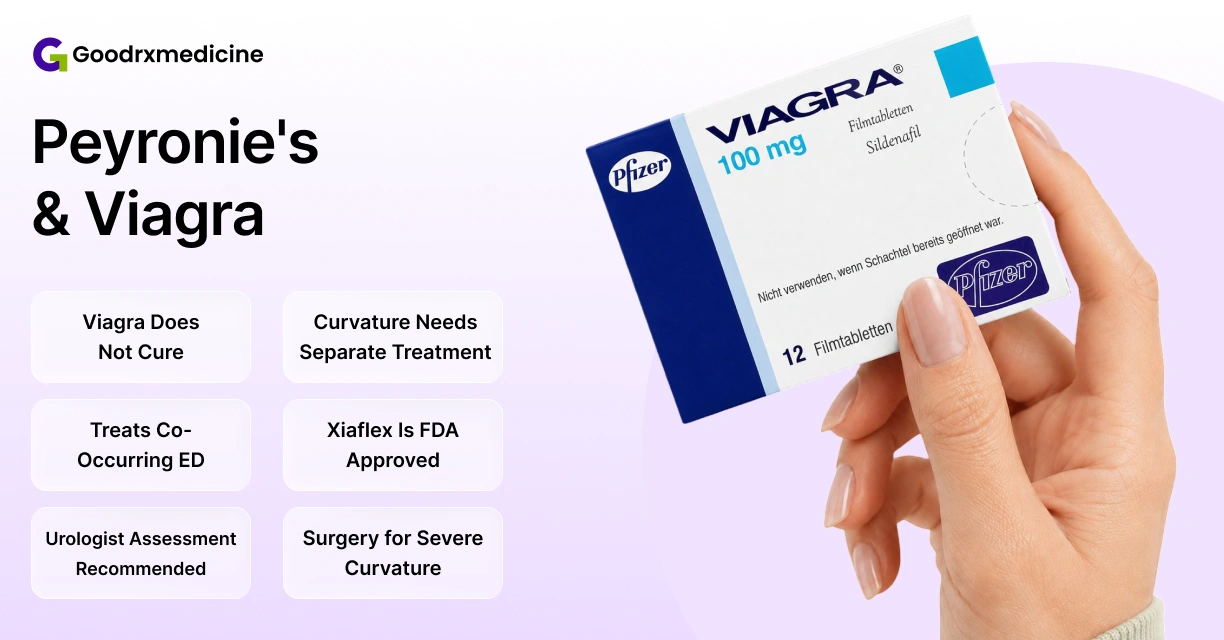
- Other PDE5 inhibitors: Do not combine Cialis with other ED medicines, like Viagra, Levitra or Stendra, unless prescribed. This increases the risk of side effects, including dizziness or fainting.
Conclusion
Cialis is a long-acting Tadalafil-based medicine used primarily to treat Erectile Dysfunction. In some cases, it is also prescribed to manage symptoms of Benign Prostatic Hyperplasia and used off-label for Pulmonary Hypertension. This PDE5 inhibitor relaxes blood vessels, improves blood flow and reduces strain on the lungs.
Cialis usually starts working in 30-60 minutes after intake and can remain in the body for up to 36 hours. For most men, the common starting dose is 10 mg as needed or 2.5 mg once daily for ED and 5 mg once daily for BPH. The safest way to use Cialis is to match the dose to the reason for treatment, follow your doctor’s dosing schedule, and avoid excessive alcohol during treatment.
A few side effects, such as flushing, nausea or dizziness, can occur initially but are usually mild and temporary. However, those with heart, kidney or liver issues and on medications for these conditions should use Cialis with caution. Moreover, seek medical help if you experience symptoms like painful erection, chest pain, sudden vision or hearing issues.

Frequently Asked Questions
Do you need a prescription for Cialis?
Yes, you need a valid prescription to purchase Cialis according to most local and national laws. This also means you cannot buy generic Cialis over the counter either because they too contain the same active ingredient, Tadalafil, which requires a doctor’s prescription.
How can I order Cialis online?
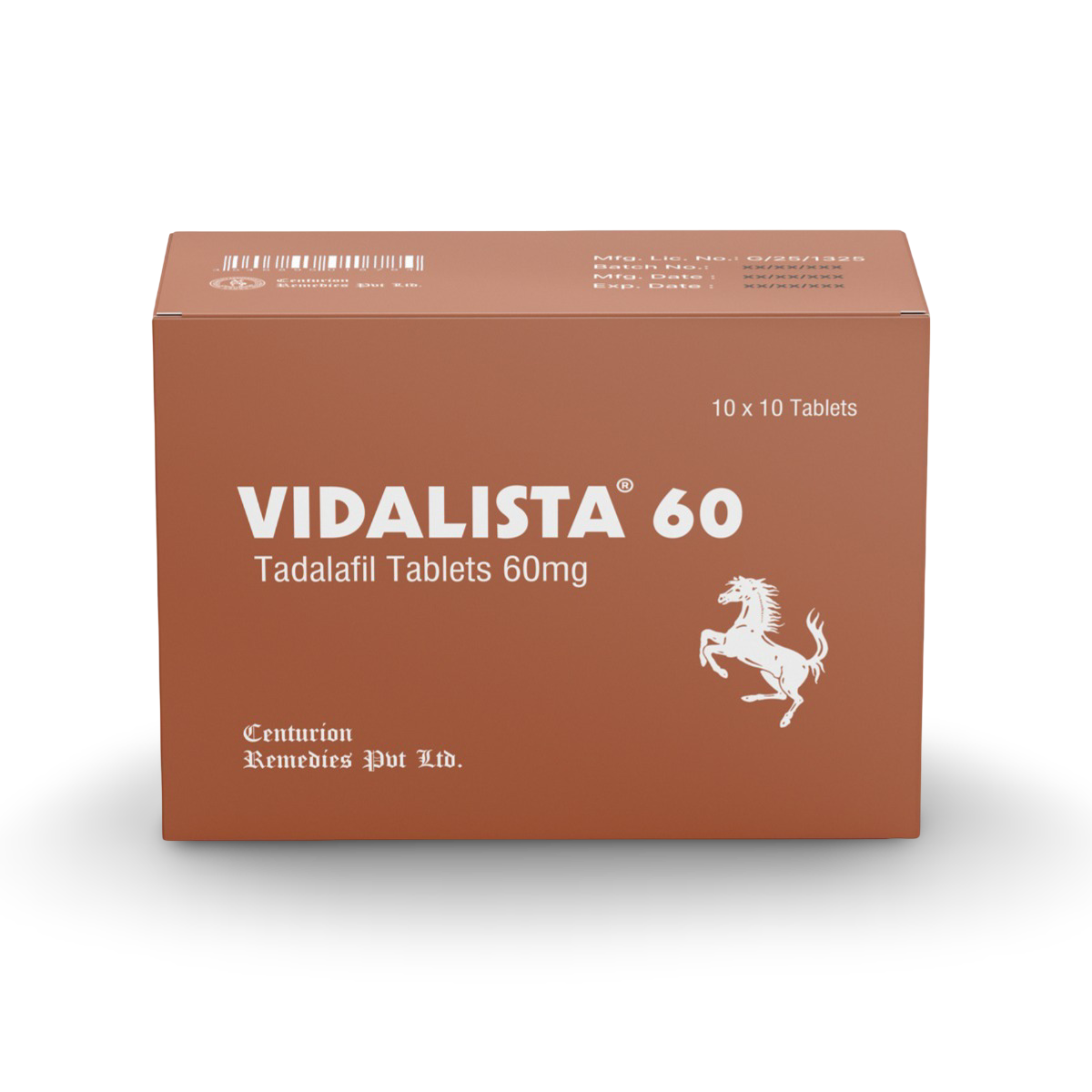
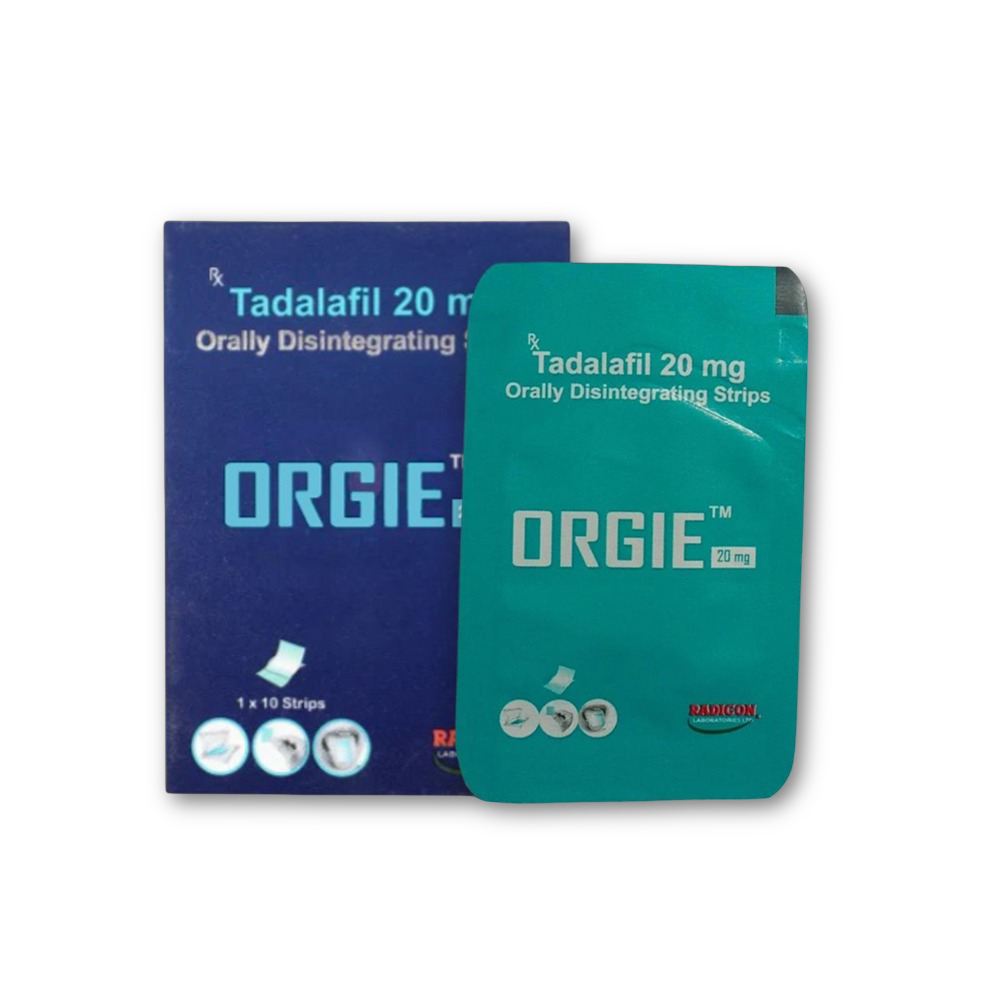
You can order Cialis as well as its generics like Vidalista or Tadalista online through reputable pharmacies like GoodRxMedicine. All medicines are sourced from WHO-compliant manufacturers and shipped globally. You would, however, require a valid prescription to make your purchase.
Does Cialis raise blood pressure?
No, Cialis does not raise blood pressure. In fact, it is commonly known to lower blood pressure because of its vasodilatory (blood vessel relaxation) effect. Thus, you should always be cautious when using Cialis with BP medicines, nitrates or alpha-blockers due to increased risk of Hypotension.
Can you take Cialis and Viagra together?
No, you should not take Cialis and Viagra together, as both are PDE5 inhibitors that relax blood vessels. Combining them raises the risk of severely low blood pressure, dizziness, and even fainting.
Is 20 mg Cialis equal to 100 mg Viagra?
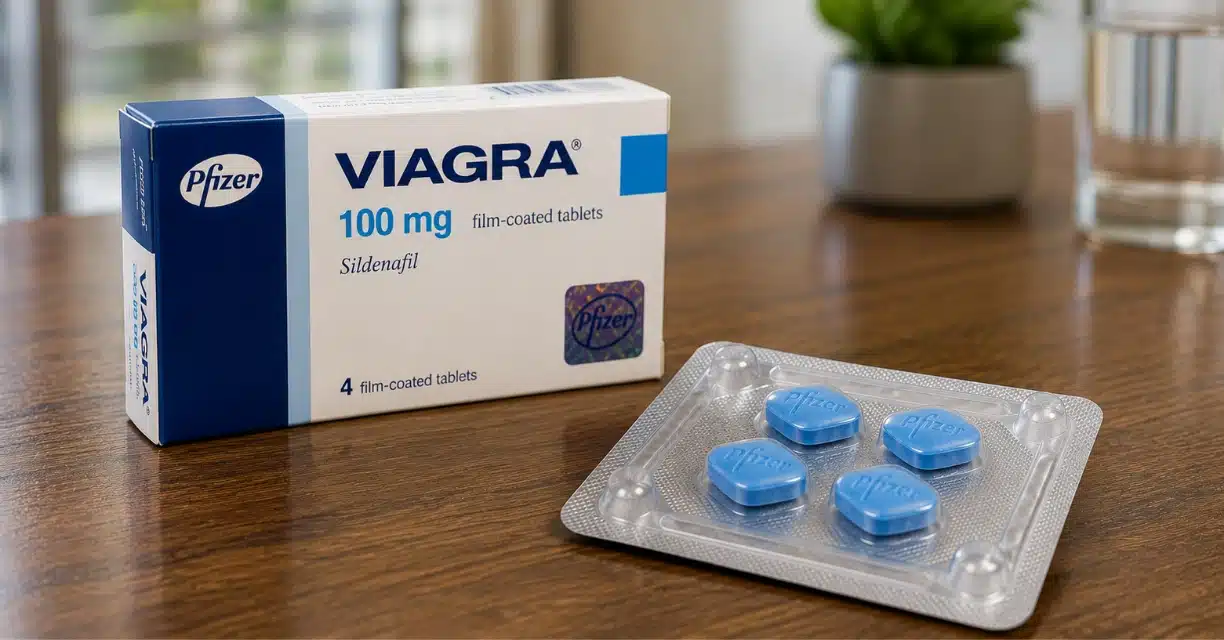
No, they cannot directly be equated, as Cialis contains Tadalafil while Viagra contains Sildenafil. Thus, they differ in dose strengths, onset patterns, and duration. However, Cialis 20 mg and Viagra 100 mg are both higher doses that are prescribed for severe cases of Erectile Dysfunction.
Citations
GoodRxMedicine only refers to credible, authoritative sources for our content. If you're curious about how we ensure the integrity of our content, we encourage you to read our Content Information Policy.
Average rating 4.9 / 5
How useful was this post?
Click on a star to rate it!
Julian Carter is a highly accomplished MBA graduate in Pharmaceutical Management, celebrated for his extensive experience and exceptional skills in the pharmaceutical industry. With a wealth of knowledge and expertise, Julian is a valuable contributor to the field and a trusted voice in pharmaceutical management. As a contributing writer for Goodrxmedicine.com, Julian is committed to educating and empowering individuals to make informed decisions about their health. His passion for the industry is evident in his work, and his dedication to improving the lives of others through education and empowerment is truly remarkable. With a reputation for excellence and a track record of success, Julian Carter is a respected and admired figure in pharmaceutical management. His insights and contributions to the field are highly valued, and her expertise has helped shape the direction of the industry for the better. Through his work as a contributing writer for Goodrxmedicine.com and beyond, Julian continues to make a meaningful impact in the lives of many. His commitment to excellence and dedication to improving the health of individuals and communities around the world make him an inspiration to others in the field.
Learn MoreDr. James Mitchell is a board-certified physician with 18+ years of clinical experience in Sexual Medicine and Reproductive Health. He helps patients navigate intimate health concerns through medically sound guidance and compassionate, patient-centered care.
Learn More