

Erections change slowly over the years, and every man experiences this at his own pace. Many people assume that men stop getting hard at a specific age, but in reality, there is no fixed age when erections suddenly stop.
The process is gradual, influenced by overall health, blood flow, lifestyle habits, stress levels, and medical conditions. While most healthy men remain sexually active well into their 60s, 70s, and even 80s, factors such as Diabetes, High Blood Pressure, smoking, alcohol, and Obesity can speed up erection problems at any age.
Early awareness allows men to protect long-term erection health. In this article, we will discuss at what age does a man stop getting hard, how the male body evolves, and learn ways to maintain sexual health.
At what age does a man stop getting erect?
There is no particular age when men stop getting erections. Some men remain sexually active even at 85. Others may experience Erectile Dysfunction (ED) as early as 35 if they have unmanaged health conditions, high stress, poor sleep, or unhealthy lifestyle habits.
Erectile function depends on:
- Cardiovascular health
- Nerve health
- Hormones
- Mental wellness
- Fitness and weight
- Medication use
Erections decline with age, but they don’t disappear unless there is an underlying medical cause.
Save up to 90% on your medicine bills
How erections change with age?
As men grow older, the body goes through natural hormonal, vascular, and neurological shifts. These changes influence how easily an erection forms, how firm it feels, and how long it lasts. Understanding this gradual progression makes it easier to recognise what’s normal and what may need medical attention.
Erections in the 20s
During the 20s, most men experience strong, quick erections with minimal effort. Testosterone levels peak in this decade. Erections may happen from mental arousal alone, and recovery after ejaculation is fast, sometimes in just minutes.
Erections in the 30s
In the 30s, erections generally remain healthy, but small changes may appear, like:
- Slower erection response.
- Slightly longer recovery time between rounds.
- Stress and work pressure affecting libido.
None of this means a man’s sexual health is declining; these changes are simply part of aging.
Erections in the 40s
Many men start noticing clearer differences in their 40s. Nearly 40% men experience ED at this age. Common changes experienced include:
- Erections may need stronger stimulation.
- Morning erections may occur less often.
- Libido may vary with energy levels.
This is also the age where lifestyle choices, smoking, alcohol, and lack of exercise start showing their effects. Testosterone levels naturally decrease around 1% per year after 30, but this varies widely.
Erections in the 50s
Around the 50s, some erection changes become more common, including:
- Erections may be less firm.
- It may take longer to become aroused.
- Medical conditions like Diabetes, High Blood Pressure, or cholesterol can interfere.
For many men, the 50s are when erectile difficulties first appear or become more noticeable, often starting as occasional ED, which is treatable.
Erections in the 60s and 70s
Many men in their 60s and 70s still enjoy sexual activity. However:
- Erections may require consistent physical stimulation.
- Firmness may reduce.
- Recovery time after orgasm increases.
What matters most for maintaining erections is not age, but overall health, blood flow, and hormone balance.
Common causes of erection problems at any age
Erections depend on a healthy balance of hormones, blood flow, nerves, and mental well-being. When even one of these areas is affected, erection quality can change. This is why men of any age, from their 20s to their 70s, may notice occasional or frequent difficulties.
Below are some of the most common reasons behind erection problems:
- Reduced blood flow: High Blood Pressure, heart disease, and cholesterol slow circulation, making it harder to get firm erections.
- Diabetes: High sugar levels damage nerves and blood vessels that control erections.
- Low testosterone: Low levels reduce libido, stamina, and overall erection quality.
- Stress and anxiety: Worry and performance pressure interrupt the brain-body arousal response.
- Obesity: Excess fat lowers testosterone and strains blood flow, weakening erections.
- Smoking and alcohol: Both narrow blood vessels and dull the natural erection response.
How men can maintain strong erections at any age
Even though erections naturally change over time, men can take simple steps to stay sexually healthy throughout their lives. A strong erection is closely linked to heart health, hormones, and lifestyle habits. By improving the body’s circulation and reducing stress, men can support better performance no matter their age.
Here are some tips on how to improve erections at any age:
- Exercise regularly: Regular physical activity keeps your heart healthy and improves blood circulation, which is essential for strong erections. It also supports healthy testosterone levels and boosts overall stamina.
- Maintain a healthy weight: A healthy weight helps the heart work better and reduces strain on your heart, and stabilizes hormone balance. Even losing a small amount of excess fat can noticeably improve erection quality.
- Prioritize good sleep: Deep sleep is when the body produces most of its testosterone. Consistent, restful sleep supports a healthy libido, better mood, and stronger erections.
- Manage stress effectively: Chronic stress interferes with hormones and triggers performance anxiety. Practices like meditation, therapy, journaling, or breathing exercises can calm your mind and improve both sexual desire and performance.
- Quit smoking: Smoking can damage blood vessels and restrict blood flow, making erections weaker. Stopping smoking is one of the fastest and most effective ways to naturally restore erection strength.
- Get regular health check-ups: Routine medical screenings help find early signs of Diabetes, High Blood Pressure, or hormonal issues, conditions that often affect erections. Early treatment protects long-term sexual health.
Treatment options for erectile problems
When erection difficulties continue for more than three months, it is a sign that the body needs support. Several effective treatment options are available today, and the right one depends on the cause and severity of the problem. Most treatments work by improving blood flow, strengthening the erection response, or addressing hormonal or structural issues.
Oral medications
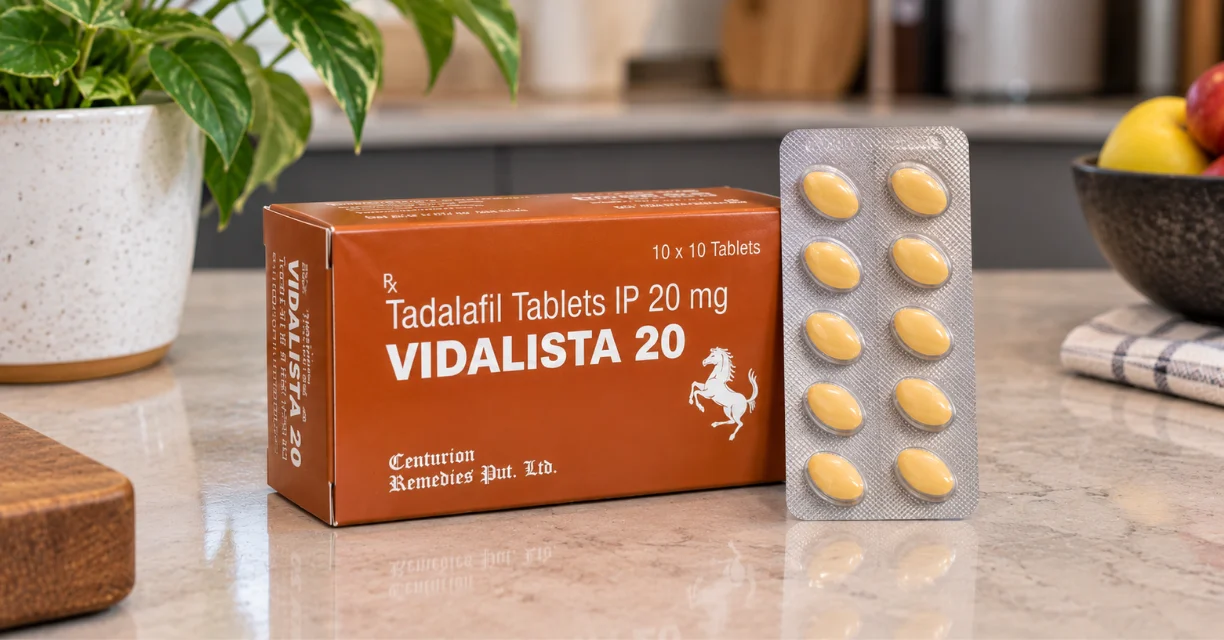
Oral ED medicines are usually the first line of treatment because they are convenient and highly effective. These include:
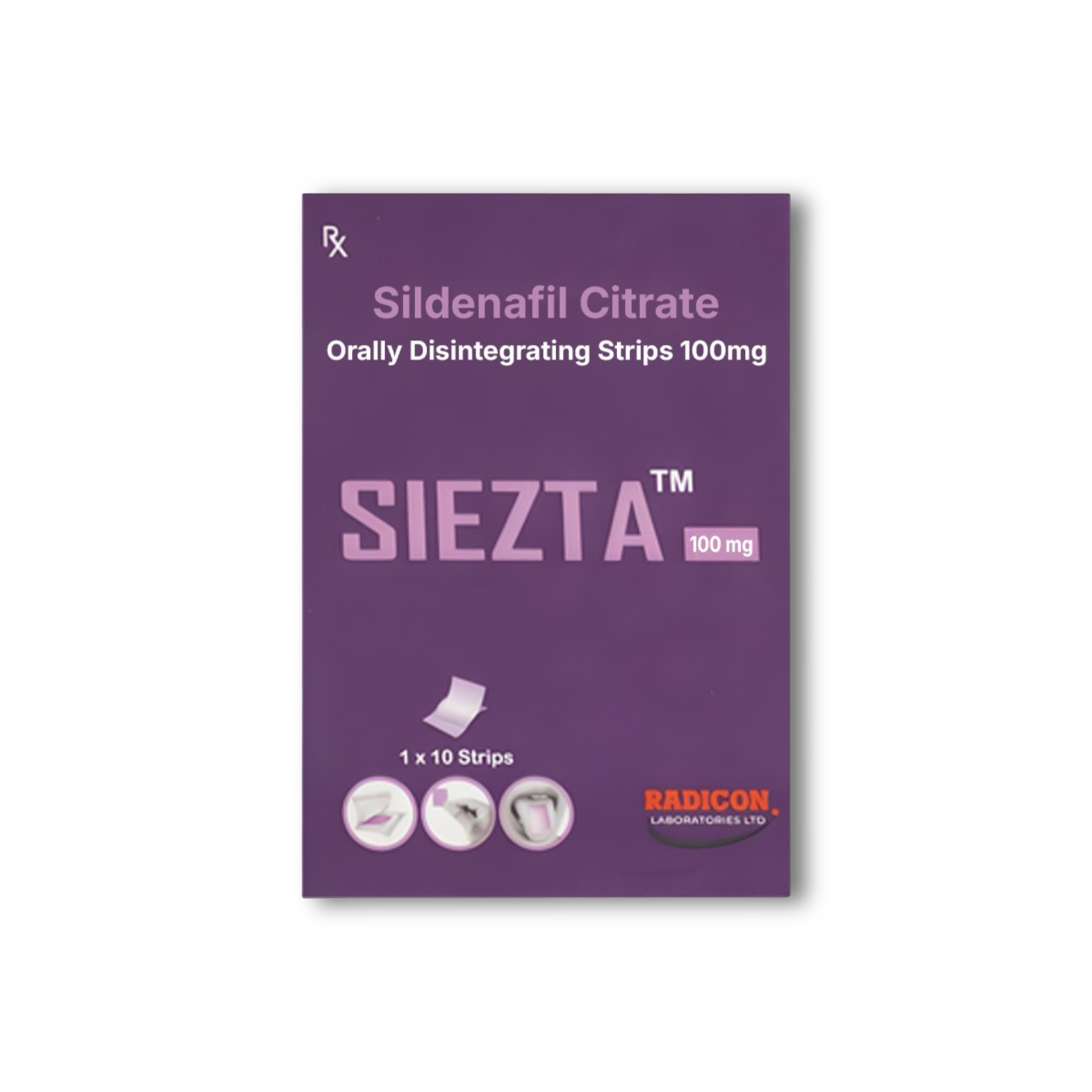
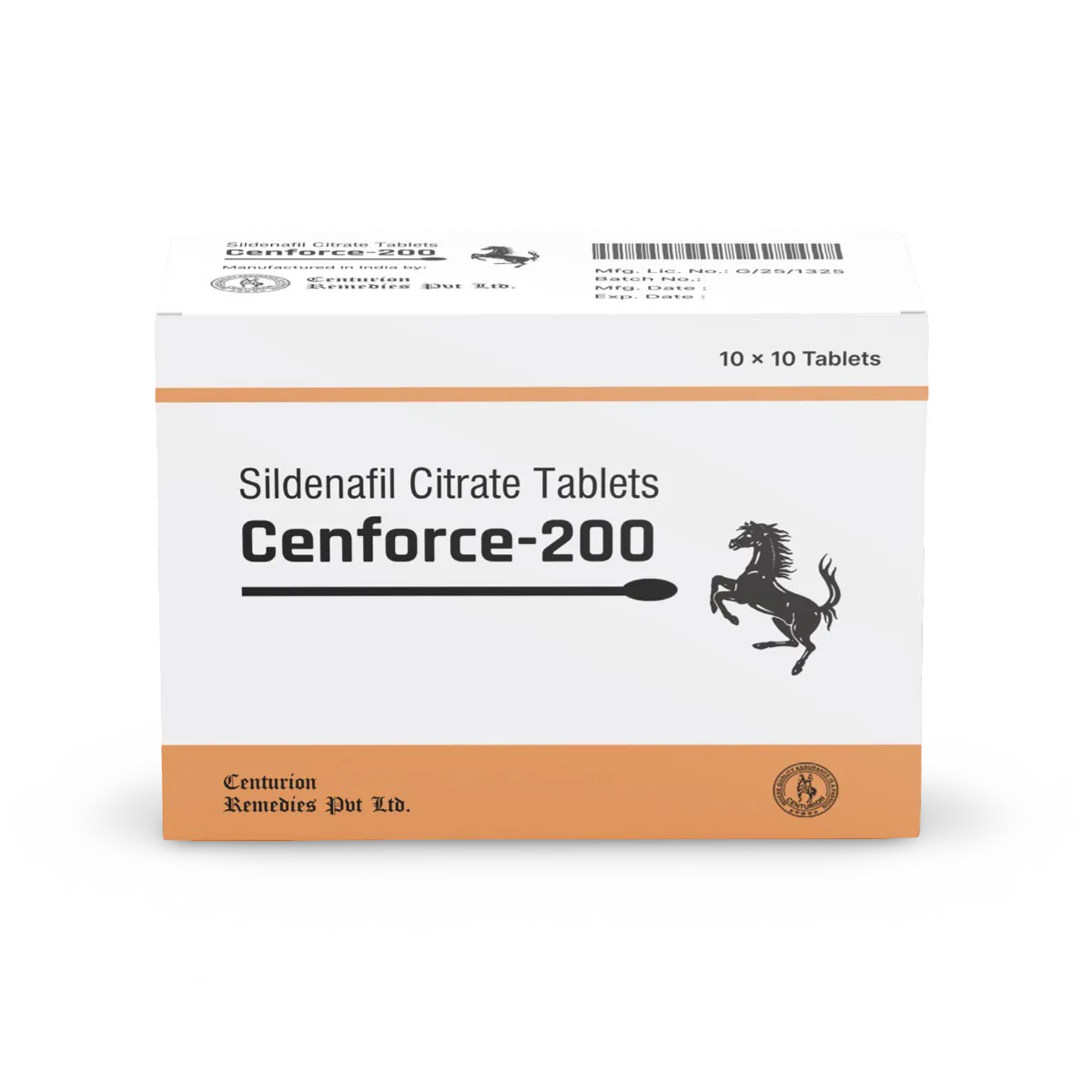
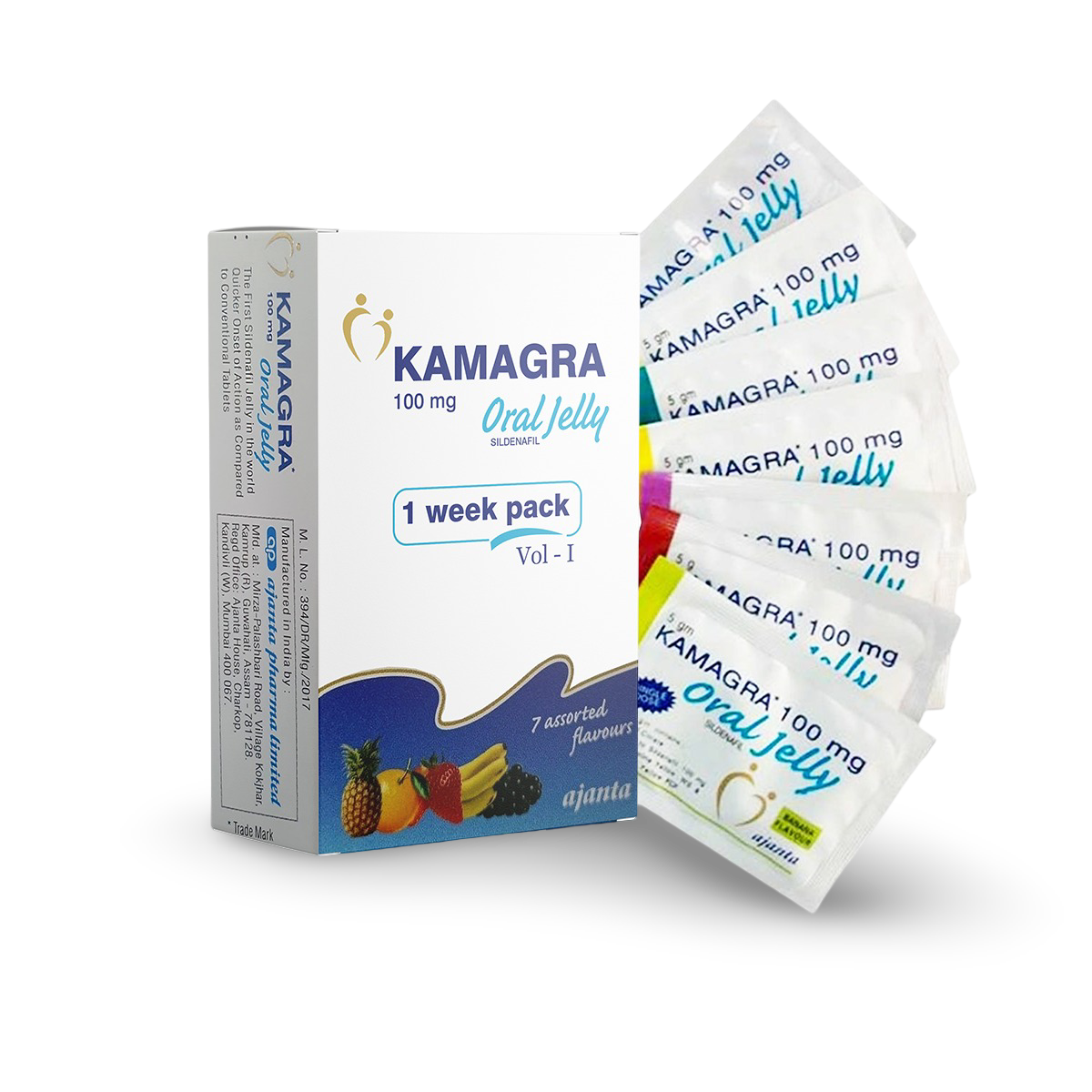
- Sildenafil
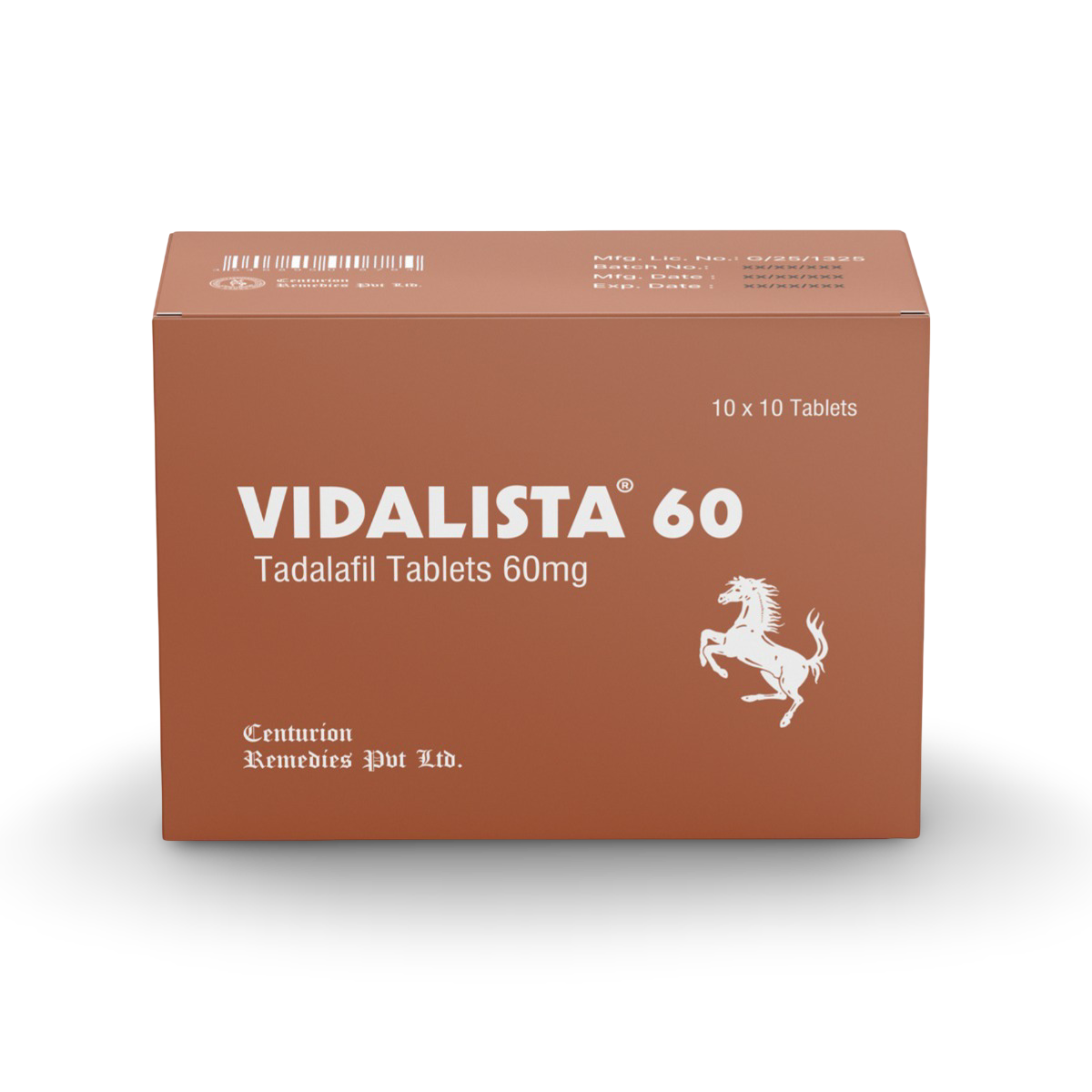
- Tadalafil
- Vardenafil
- Avanafil
These prescription-based medications help relax blood vessels in the penis, allowing more blood to enter during arousal. As a result, men can achieve firmer and longer-lasting erections when sexually stimulated. They do not trigger erections on their own but support the natural process.
Vacuum pumps
A vacuum erection device (VED) uses gentle suction to pull blood into the penis. Once the penis becomes firm, a rubber ring is placed at the base to keep the erection. Pumps are drug-free, safe for most men, and helpful for those who cannot take oral medications.
Penile injections
Penile injections deliver fast-acting medication directly into the erectile tissue. This method often produces an erection within minutes, even in men who do not respond well to pills. It is highly effective and commonly recommended for more persistent erectile issues.
Shockwave therapy
Low-intensity shockwave therapy improves erectile function by stimulating new blood vessel growth inside the penis. Unlike pills or injections, this treatment aims to repair the underlying blood flow problem. It requires multiple sessions but may offer long-term benefits for many men.
Testosterone therapy
If blood tests show low testosterone, hormone therapy may help restore libido, energy, and erection quality. Testosterone treatment is not a universal solution, but it can be very effective when low hormone levels are the main cause of ED.
Penile implants
For men with severe or long-standing Erectile Dysfunction who do not respond to other treatment options, a penile implant offers a permanent solution. These devices are placed inside the penis surgically and allow men to create an erection whenever needed. Satisfaction rates are very high among couples who choose this option.
When to see a doctor
A man should consider speaking to a doctor if erection problems are persistent, worsening, or accompanied by other physical or sexual health changes. Medical evaluation is especially important when these issues begin to affect confidence, relationships, or overall quality of life. Seek medical help when:
- Erections have become consistently weak.
- There is pain or curvature.
- Morning erections have reduced significantly.
- Libido has dropped suddenly.
- He has Diabetes, High BP, or heart disease.
Seeking medical advice early gives men a stronger chance of restoring healthy erections, preventing complications, and finding the treatment that works best for their body.
Conclusion
A man does not stop getting hard at a specific age, and many healthy men continue to enjoy satisfying sexual activity well into their 60s, 70s, and even 80s. What truly determines erection quality is not age alone, but the overall condition of the heart, hormones, nerves, and lifestyle habits.
Problems often appear earlier, sometimes in the 30s or 40s, when issues such as Diabetes, High Blood Pressure, obesity, smoking, stress, and poor sleep begin to affect blood flow and testosterone levels.
The good news is that nearly all erection problems are manageable with the right steps. Lifestyle changes like maintaining a healthy weight, exercising regularly, getting proper sleep, and reducing stress significantly improve erection strength at any age.
Oral medications such as Sildenafil, Tadalafil, and Avanafil, vacuum erection pumps, and penile injections are available for men who need additional support. If erections have become consistently weak, unpredictable, or stressful, consulting a qualified doctor can help you identify the root cause and choose a treatment that fits your needs.

Frequently Asked Questions
Does masturbation affect erection strength with age?
No, masturbation does not weaken erections. In fact, regular sexual activity helps maintain blood flow and erectile tissue health. Age-related changes occur due to hormones, health conditions, or circulation, not masturbation. Sexual activity is normal and healthy at any age unless it is done excessively and causes fatigue.
Do older men take longer to get aroused?
Yes, as men age, hormonal changes, slower blood flow, and reduced nerve sensitivity can lengthen the time it takes to become fully aroused. Mental factors like stress or fatigue also play a role. However, with a healthy lifestyle and proper care, arousal can remain strong and satisfying.
Can erectile problems at a young age be reversed?
Yes, erectile problems at a young age can often be reversed. Managing stress, improving sleep, exercising regularly, eating a balanced diet, and avoiding smoking or excess alcohol can help. Treating underlying health conditions and addressing anxiety or performance pressure also improves erection strength in many men.
Can medications interfere with erections in older men?
Yes, certain medications, such as blood pressure medicines, antidepressants, and antihistamines, can reduce libido or affect blood flow, making erections weaker. Older men experiencing ED should review all medications with a doctor to identify possible issues and adjust treatment safely without compromising overall health.
Citations
GoodRxMedicine only refers to credible, authoritative sources for our content. If you're curious about how we ensure the integrity of our content, we encourage you to read our Content Information Policy.
Average rating 4.3 / 5
How useful was this post?
Click on a star to rate it!
Julian Carter is a highly accomplished MBA graduate in Pharmaceutical Management, celebrated for his extensive experience and exceptional skills in the pharmaceutical industry. With a wealth of knowledge and expertise, Julian is a valuable contributor to the field and a trusted voice in pharmaceutical management. As a contributing writer for Goodrxmedicine.com, Julian is committed to educating and empowering individuals to make informed decisions about their health. His passion for the industry is evident in his work, and his dedication to improving the lives of others through education and empowerment is truly remarkable. With a reputation for excellence and a track record of success, Julian Carter is a respected and admired figure in pharmaceutical management. His insights and contributions to the field are highly valued, and his expertise has helped shape the direction of the industry for the better. Through his work as a contributing writer for Goodrxmedicine.com and beyond, Julian continues to make a meaningful impact in the lives of many. His commitment to excellence and dedication to improving the health of individuals and communities around the world make him an inspiration to others in the field.
Learn MoreDr. James Mitchell is a board-certified physician with 18+ years of clinical experience in Sexual Medicine and Reproductive Health. He helps patients navigate intimate health concerns through medically sound guidance and compassionate, patient-centered care.
Learn More