



Feeling unusually tired, losing interest in activities you once enjoyed, or noticing changes in your body can be frustrating, especially when you can’t identify the cause. For many men, these subtle shifts point to Low Testosterone, a medical condition that can quietly disrupt physical health, emotional stability, and sexual function.
While testosterone naturally declines after age 30, some men experience drops severe enough to interfere with everyday life. The real challenge lies in recognizing when persistent fatigue, diminished sex drive, or unexplained mood changes signal something more serious than typical aging. Many men dismiss these symptoms for years before seeking help, unaware that effective treatments exist.
This article covers the warning signs, underlying causes, diagnostic process, and proven treatment options for Low Testosterone that can restore hormonal balance and improve quality of life, so read on.
What is Low Testosterone?
Low Testosterone happens when the male body produces insufficient amounts of this essential hormone. Normal testosterone levels in adult men range between 300 to 1,000 nanograms per deciliter or ng/dL. When levels drop below 300 ng/dL, doctors diagnose the condition as Hypogonadism or low T.
The decline can happen gradually over years or more rapidly due to illness, injury, or medication side effects. Testosterone plays a vital role in maintaining muscle mass, bone density, red blood cell production, and sperm development. When production falls short, the body struggles to sustain these essential functions, which leads to noticeable physical and emotional changes. Some men experience mild symptoms that develop slowly over time, while others face more pronounced shifts that disrupt daily activities, relationships, and overall quality of life.
Save up to 90% on your medicine bills
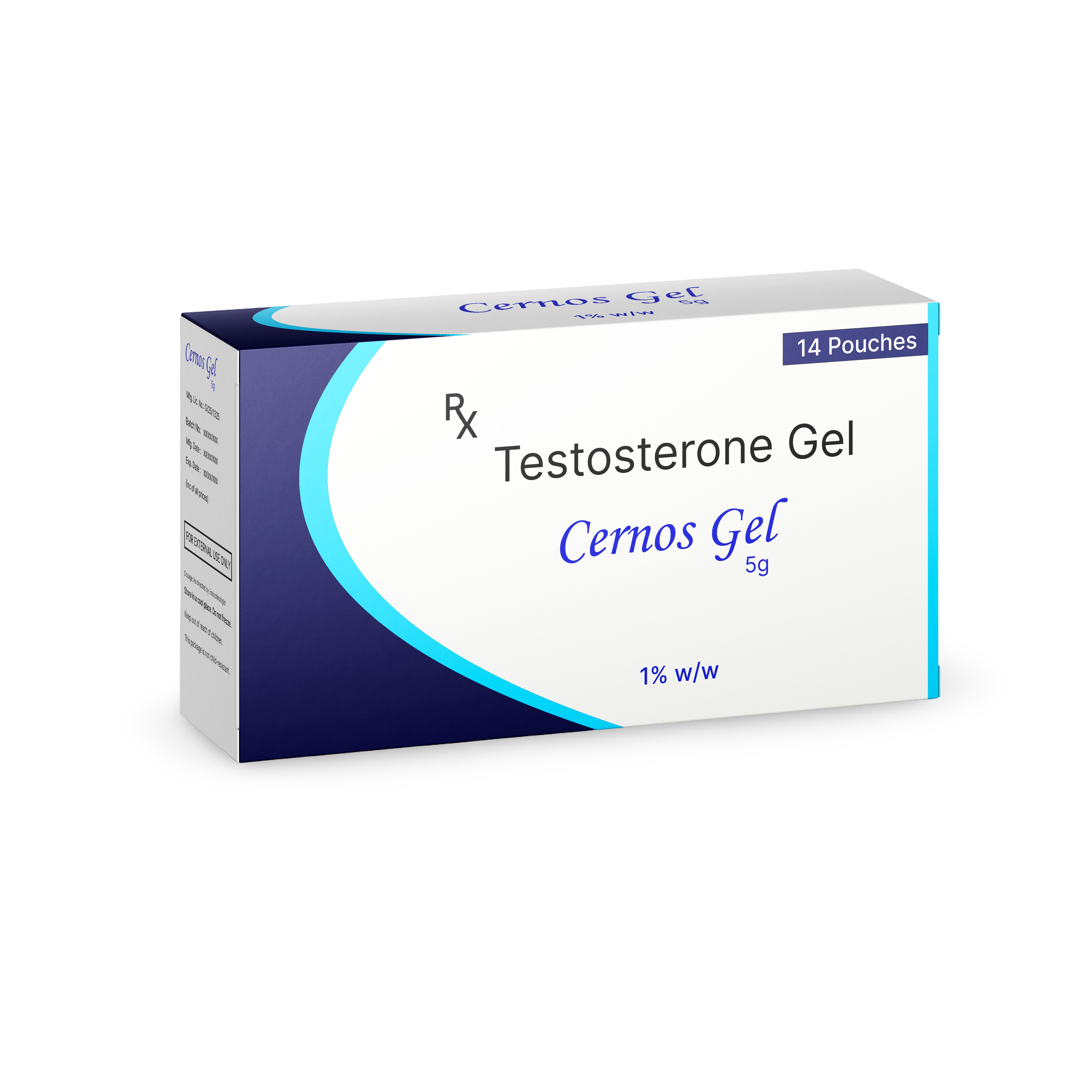
Cernos Gel 1%w/w
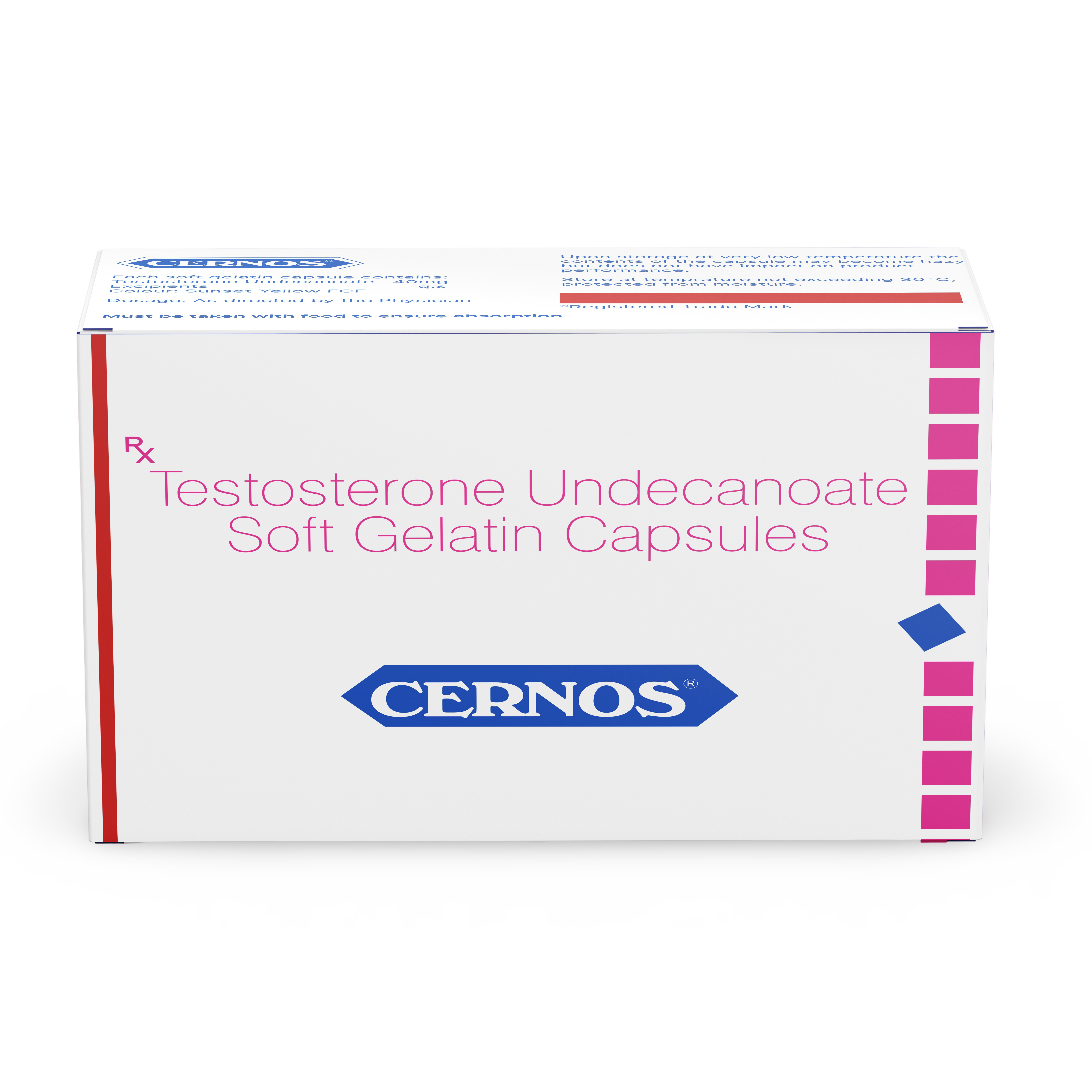
Cernos 40 Mg Soft Gelatin Capsule

Sustanon 250 Injection
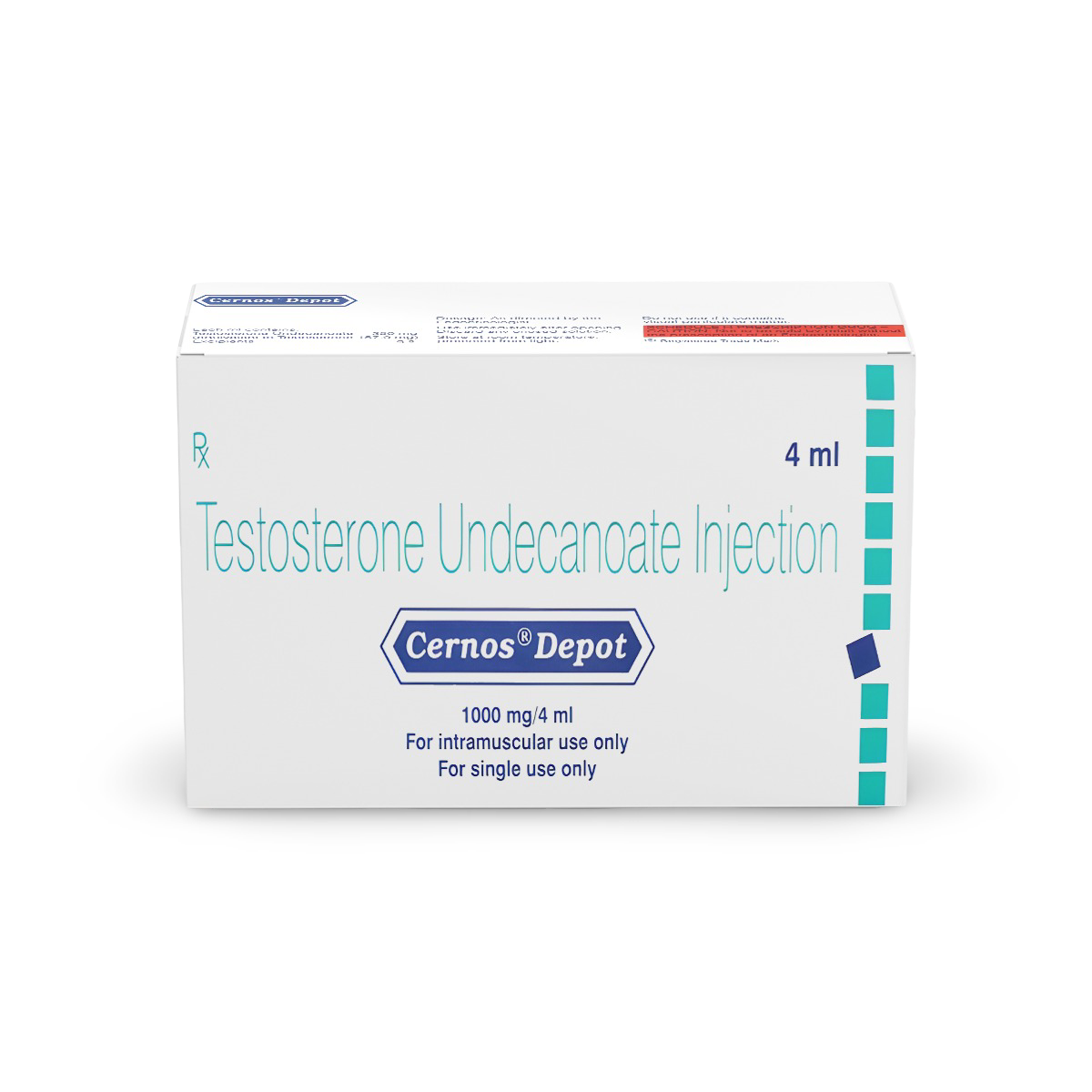
Cernos Depot 1000 Mg Injection
Symptoms of Low Testosterone
When testosterone drops below optimal ranges, the body sends multiple signals. These signs of Low Testosterone in men often develop slowly over months or years, making them easy to attribute to aging or stress. Some of the signs and symptoms include:
- Physical changes: Loss of muscle mass despite regular training, increased body fat especially around the abdomen, weakened bones that increase fracture risk, thinning body and facial hair, persistent fatigue even after rest, and unexpected hot flashes or night sweats.
- Mental and emotional symptoms: Memory problems, difficulty concentrating, mood swings, irritability, loss of motivation and confidence, increased anxiety, and higher depression risk.
- Sleep quality: Difficulty falling or staying asleep, unrefreshing sleep despite adequate time in bed, and increased risk of sleep apnea, causing breathing interruptions.
- Sexual health: Low Testosterone often triggers reduced libido, causing sexual desire to diminish steadily. Erectile Dysfunction (ED) from Low Testosterone makes achieving and maintaining firm erections challenging, while spontaneous erections become rare. Additionally, sperm count may drop, potentially affecting fertility.
Causes of Low Testosterone
Testosterone levels can drop for several reasons. Sometimes the problem starts in the testicles themselves. Other times, the issue lies in how the brain signals the testicles to produce hormones. Lifestyle choices and existing health conditions can also cause levels to fall. These causes fall into three main categories, including:
Primary causes
Primary Hypogonadism results from direct damage or dysfunction of the testicles themselves:
- Physical trauma or injury to the testicles.
- Infections like Mumps that damage testicular tissue.
- Cancer treatments, including chemotherapy and radiation.
- Undescended testicles not corrected during childhood.
- Genetic conditions such as Klinefelter syndrome (chromosomal disorder)
Secondary causes
Secondary Hypogonadism develops when the hypothalamus or pituitary gland in the brain malfunctions, disrupting hormone production signals:
- Natural aging which causes testosterone levels to drop gradually by 1% to 2% each year.
- Pituitary gland tumors or disorders disrupt hormone production.
- Chronic illnesses, including type 2 Diabetes, liver disease, kidney failure, or HIV/AIDS, interfere with normal hormone function.
- Obesity converts testosterone to estrogen through increased fat tissue.
- Medications such as opioid pain relievers, corticosteroids, and certain antidepressants suppress testosterone production.
Lifestyle factors
Certain habits and environmental exposures suppress testosterone production through various mechanisms:
- Chronic stress or poor sleep disrupts hormonal regulation.
- Excessive alcohol consumption damages hormone-producing cells.
- Sedentary lifestyle reduces testosterone production.
- Extreme endurance training can lower testosterone levels.
- Nutritional deficiencies in zinc and vitamin D.
How doctors diagnose Low Testosterone

A Low Testosterone diagnosis requires blood tests combined with physical examination and medical history to confirm low levels and identify the underlying cause.
Blood tests
Blood work helps measure hormone levels and identify the cause. Your doctor needs two blood samples taken on different mornings between 7 a.m. and 10 a.m., when testosterone naturally peaks.
- Testosterone tests: These measure total testosterone (all hormone in your blood) and free testosterone (the portion available for your body to use). Levels below 300 ng/dL typically confirm a deficiency.
- LH and FSH tests: These measure luteinizing hormone (LH) and follicle-stimulating hormone (FSH), which are produced by your pituitary gland and signal your testicles to make testosterone. Testing them shows where the problem starts. High LH and FSH with Low Testosterone means your testicles aren’t responding. Low LH and FSH suggest your pituitary gland isn’t sending proper signals.
- Prolactin test: Measures prolactin levels, as high amounts can indicate pituitary gland issues that affect testosterone production.
Your doctor may run some additional tests to check for related health conditions. These include thyroid function tests, blood glucose screening for Diabetes, and a complete blood count to assess overall health.
Physical examination
Your doctor performs a physical assessment to spot signs of Low Testosterone. This includes checking testicular size and firmness, looking for breast tissue development, examining body and facial hair patterns, and comparing muscle mass to body fat.
Medical history
Your doctor asks about symptom timeline, past illnesses or testicular injuries, current medications, family history of hormone disorders, and lifestyle factors, including diet, exercise, sleep quality, and alcohol consumption.
Low Testosterone treatment options
Medical treatment for Low Testosterone combines hormone replacement therapy with lifestyle modifications and nutritional support. The most effective approach often integrates multiple strategies personalized to each patient’s specific needs and underlying causes.
Testosterone Replacement Therapy (TRT)
Testosterone replacement therapy directly supplements the body’s testosterone production through various delivery methods. Each form has distinct advantages depending on patient preference and medical considerations.
- Injections: Doctors administer testosterone injections into muscle tissue every one to two weeks. This method provides reliable hormone delivery and allows precise dosing adjustments. Some patients learn to self-inject at home for convenience.
- Topical gels and creams: Patients apply these products daily to the shoulders, upper arms, or abdomen. The testosterone gel is absorbed through the skin into the bloodstream. While convenient, users must avoid skin contact with others for several hours after application to prevent hormone transfer.
- Skin patches: These adhesive patches deliver steady testosterone amounts throughout the day. Patients typically apply them to the back, abdomen, upper arms, or thighs each evening.
- Oral capsules or pills: Testosterone pills taken by mouth offer convenience for patients who prefer oral medication. The body absorbs these through the digestive system.
- Pellets: Healthcare providers surgically implant small pellets under the skin that slowly release testosterone over three to six months. This method eliminates the need for daily or weekly administration.
Your doctor monitors hormone levels regularly during treatment and adjusts dosages to achieve optimal results while minimizing side effects.
Lifestyle modifications
Comprehensive lifestyle changes significantly impact testosterone production and overall treatment effectiveness.
- Exercise regularly: Resistance training and weightlifting boost testosterone production more effectively than other exercise types. Aim for strength training sessions at least three times weekly, focusing on compound movements like squats, deadlifts, and bench presses. Moderate cardiovascular exercise supports overall health without the testosterone-lowering effects of extreme endurance training.
- Maintain a healthy weight: Losing excess body fat, particularly around the abdomen, reduces the conversion of testosterone to estrogen. Even a 5-10% reduction in body weight can improve hormone levels significantly in overweight men.
- Optimize sleep quality: Prioritize seven to nine hours of uninterrupted sleep nightly. Most testosterone production occurs during deep sleep stages. Maintainconsistent sleep and wake times, create a dark and cool bedroom environment, and address sleep disorders like sleep apnea promptly.
- Manage stress effectively: Chronic stress elevates cortisol, which suppresses testosterone production. Practice stress-reduction techniques (meditation, deep breathing exercises, yoga, or mindfulness) daily.
- Limit alcohol consumption: Reduce alcohol intake to moderate levels or eliminate it, as excessive drinking directly damages testosterone-producing cells in the testicles.
- Quit smoking: Tobacco use interferes with hormone production and overall health. Smoking cessation programs can help break this harmful habit.
Natural remedies and nutritional support
Specific nutrients play essential roles in testosterone production and can complement medical treatment.
- Vitamin D: This nutrient functions as a hormone precursor essential for testosterone synthesis. Many men with Low Testosterone also have vitamin D deficiency. Spend 15 to 20 minutes in direct sunlight daily, or take vitamin D3 supplements (typically 2,000 to 4,000 IU daily) after consulting your doctor.
- Zinc: This mineral directly supports testosterone production in the testicles. Men can boost zinc intake through supplements or zinc-rich foods such as beef, oysters, pumpkin seeds, almonds, eggs, cheese, and mushrooms.
- Magnesium: This mineral helps regulate testosterone levels and improves exercise performance. Food sources include spinach, black beans, almonds, and dark chocolate.
- Omega-3 fatty acids: Found in fatty fish, walnuts, and flaxseeds, these healthy fats support overall hormonal health and reduce inflammation.
- Fenugreek: Some studies suggest this herb may help increase testosterone levels and improve libido, though more research is needed.
Preventing Low Testosterone levels
Men not yet diagnosed with Low Testosterone can take proactive steps to maintain healthy hormone levels throughout life. These preventive measures focus on creating sustainable, healthy habits:
- Exercise consistently, incorporating both strength training and moderate cardiovascular activity.
- Prioritize getting sufficient sleep, ideally seven to nine hours nightly.
- Stay at a healthy weight by combining good nutrition with regular exercise.
- Reduce stress by practicing relaxation methods that work for you
- Limit alcohol consumption and avoid tobacco products.
- Eat a nutrient-rich diet with adequate protein, healthy fats, and vegetables.
- Stay hydrated throughout the day.
- Get adequate sunlight exposure for natural vitamin D production.
- Schedule regular health check-ups to monitor hormone levels and overall health.
When to see a doctor
Recognizing the signs early makes a real difference in treatment outcomes. Consult your healthcare provider if you experience any of the following:
- Persistent fatigue that doesn’t improve with rest.
- Significant decrease in sex drive lasting more than a few weeks.
- Difficulty achieving or maintaining erections.
- Noticeable loss of muscle mass or unexplained weight gain.
- Mood changes, including depression, irritability, or anxiety.
- Multiple symptoms occurring together.
Conclusion
Low Testosterone in men disrupts energy levels, sexual function, muscle strength, bone health, and emotional well-being. The condition causes persistent fatigue, reduced libido, erectile difficulties, muscle loss, increased body fat, and mood changes.
Common causes include natural ageing, Obesity, chronic diseases like Diabetes and kidney disease, testicular damage, pituitary disorders, and certain medications. Diagnosis requires blood tests measuring testosterone, LH, and FSH levels, combined with physical examination and medical history.
Treatment options include Testosterone Replacement Therapy through injections, gels, or pellets, along with lifestyle modifications like strength training, weight loss, improved sleep, stress management, and optimized nutrition.
With proper medical supervision and personalized treatment, men can restore hormonal balance and significantly enhance their quality of life.

Frequently Asked Questions
Can zinc deficiency alone trigger a significant testosterone decline?
Yes, severe zinc deficiency substantially reduces testosterone production since zinc is essential for hormone synthesis. However, supplementation only benefits men with an actual deficiency. Taking extra zinc when levels are adequate won’t boost testosterone further and may cause digestive issues or a copper imbalance.
Can weight loss reverse Low Testosterone without medication?
Yes, substantial weight loss in obese men often increases testosterone naturally. Clinical studies show that losing 5 to 10% of body weight improves hormone production by reducing enzyme activity converting testosterone to estrogen. Many overweight men normalize their levels through weight loss alone.
Does testosterone therapy increase Prostate Cancer risk?
No, current research doesn’t support testosterone therapy causing Prostate Cancer in men without existing malignancy. However, it may accelerate the growth of undiagnosed Prostate Cancer, which is why doctors thoroughly screen for prostate issues before initiating treatment. Men with active Prostate Cancer cannot safely receive testosterone replacement.
Can a varicocele cause testosterone production to decline?
Yes, varicocele or enlarged veins in the scrotum can impair testosterone production by elevating testicular temperature and disrupting blood flow to hormone-producing cells. Surgical repair sometimes improves hormone levels, particularly in younger men. However, not all varicoceles affect testosterone significantly.
Can men have high estrogen and Low Testosterone at the same time?
Yes, men can have high estrogen and low testosterone simultaneously. This commonly occurs in overweight men, as excess fat converts testosterone into estrogen. This creates a cycle where low testosterone causes fat gain, which produces more estrogen. Treatment typically addresses both hormones together.
Does sexual activity frequency affect testosterone long-term?
No, sexual activity doesn’t cause lasting changes in baseline testosterone levels. While hormone concentrations may fluctuate slightly around ejaculation, these changes are temporary and normalize within hours. Despite persistent myths, sexual activity frequency doesn’t determine overall testosterone production in healthy men.
When referencing outside resources, GoodrxMedicine always provides full citations. To learn more about the measures we use to maintain the quality of our content, please review our Content Information Policy.