


Low sex drive in men or low male libido means feeling less interested in sexual activity than before, which affects you or your relationship. It can often be accompanied by persistent fatigue, Erectile Dysfunction (ED) or urinary symptoms.
Low libido can happen for many reasons, most commonly due to testosterone deficiency or chronic health conditions, especially in older men. In younger males, it is more likely to be caused by psychological and lifestyle factors, such as stress, poor sleep, Depression or alcohol use.
Fortunately, it is easy to improve a reduced sex drive with simple lifestyle changes and, if needed, with professional support. Read on to understand the signs and causes, and then the diagnosis and treatment of low libido in men.
What are the signs of decreased sex drive in men?
Low sex drive typically means your interest in sexual activity is lower than it used to be, and the change feels noticeable and difficult to manage. Some commonly reported symptoms of low libido include:
- Wanting physical intimacy less often or less strongly than before or avoiding it altogether.
- Thinking about sexual activities less often, including less interest in masturbation.
- Taking longer to feel mentally or physically aroused.
- Feeling concerned, frustrated, or disconnected with your partner because of the change in desire.
- Stress, fatigue, or mood changes seem to further lower your interest.
These signs can appear gradually or suddenly, depending on the cause. If left unaddressed, it can lead to no sex drive or lack of desire for physical intimacy.
Save up to 90% on your medicine bills
What causes low sex drive in men?
Low sex drive in men usually has more than one cause and varies greatly from person to person. It is often linked to a mix of bodily changes, mental health and daily habits, as explained below.
Physical factors
Age-related physical changes play a major role in sex drive by reducing hormone levels, energy, or blood flow. Studies also support this, as libido in middle-aged men aged 40 to 60 was found to be about 3 times lower than in younger men aged 18 to 29. This can happen due to:
- Low Testosterone levels: Testosterone Deficiency (Male Hypogonadism) can lower sex drive, reduce morning erections, and make arousal feel weaker.
- Chronic conditions: Diabetes, Heart Disease, High Blood Pressure, kidney disease, chronic pain, and thyroid problems can reduce libido by affecting hormones, circulation, and overall well-being.
- Sleep problems: Poor sleep or Sleep Apnea can reduce testosterone levels, increase fatigue, and reduce sexual interest.
- Medication side effects: Antidepressants, specific blood pressure medicines, or chemotherapy can reduce libido as a side effect.
Psychological concerns
The following psychological factors can lower sex drive by making sexual activity feel mentally heavy rather than enjoyable.
- Stress and burnout: Work, money, caregiving, or constant mental overload can push sexual desire into the background.
- Past sexual trauma: Trauma or Post-Traumatic Stress Disorder (PTSD) can affect emotional safety, sexual comfort, and arousal patterns.
- Depression: It can reduce interest in sex directly and also create a cycle of depressive mood, low confidence, and avoidance of intimacy.
- Performance Anxiety: If you feel self-conscious or pressured to perform, your libido drops. It can also lead to Erectile Dysfunction (ED) or Premature Ejaculation (PE), which in turn can cause more Anxiety.
- Relationship issues: Conflict, resentment, lack of trust, or emotional distance can weaken desire even when you are attracted to your partner.
These issues can reduce sex drive, even when physical health is fine, especially in younger men.
Lifestyle-related causes
Lifestyle-related causes can lower libido by affecting energy, hormone balance, mood, circulation, and overall sexual well-being. Some unhealthy habits that reduce sex drive in men include:
- Alcohol use: Drinking too much alcohol can reduce sexual interest, lower testosterone (androgen) over time, and affect erections, too.
- Smoking: Smoking can suppress testosterone and restrict blood flow, both of which are important for desire and arousal.
- Too little or too much exercise: Being inactive can reduce energy and mood, while overtraining can leave you physically drained. Thus, both can lower sex drive.
- Poor sleep schedule: Inadequate, restful sleep can reduce testosterone and increase stress hormone (cortisol). In the long run, it can leave you too tired for sexual interest.
- Poor diet patterns: Improper diet and high body weight can worsen hormone imbalance and raise the risk of Diabetes or heart disease, which can further lower libido.
How is low male libido diagnosed?
Doctors diagnose low libido by combining your symptoms with a review of your overall health, current medicines, life stressors and mood patterns. If needed, they then order tests to look for hormone or metabolic causes. Some common checks include:
- Symptom and medication review: This helps identify side effects from antidepressants, blood pressure or other medicines that could be lowering sex drive.
- Morning Total Testosterone (TT): It is usually checked early in the morning on 2-3 days. A low testosterone level (consistently below about 300 ng/dL) with noticeable symptoms is diagnosed as Testosterone Deficiency or Hypogonadism.
- Thyroid function test: This checks if an underactive or overactive thyroid gland is lowering your energy, mood, and sexual desire.
- Blood sugar: High Blood Sugar could indicate Diabetes or insulin resistance, which can affect libido and erections.
- Prolactin or Luteinizing Hormone: These are checked if hormone imbalance or pituitary problems are suspected.
- Sexual-function screening: Clinicians might also use male sexual-function or androgen-deficiency questionnaires to better map desire, libido, erections, mood, and energy.
How to boost a low sex drive?
Low sex drive can be improved when the underlying cause is addressed. Some men might need better sleep, less stress, and a good diet to restore hormonal balance. While others may require treatment for underlying conditions or Testosterone Replacement Therapy (TRT). Listed below are natural and medical ways to increase sex drive in men.
Lifestyle changes to improve libido
Natural strategies can help boost libido by improving energy, mood and hormone balance. They work best when low sex drive is linked to stress, poor sleep, alcohol use or low fitness. However, they might take several months to show noticeable results. Begin to:
- Eat foods that increase libido: Build balanced, nutritious meals with lean proteins (eggs, fish, beans), leafy greens, fresh fruits, whole grains, and healthy fats (nuts, seeds or olive oil).
- Exercise regularly: Try for 30 minutes of libido-boosting exercise, such as cycling, brisk walking, or swimming, on most days. Include strength training a couple of times a week to improve fitness and help increase sex drive. Do not overexert yourself and keep rest days in between.
- Reduce heavy alcohol use: Staying hydrated, limiting alcohol and drinking green tea or pomegranate juice can support overall physical function.
- Correct nutrient deficiencies: If blood tests show low vitamin D, zinc or magnesium levels, take vitamins to support your sex drive. Even though evidence remains limited, you can also take herbal supplements like maca root or tribulus terrestis under medical guidance.
- Fix your sleep routine: Aim for 7-9 hours of sleep each night by going to bed and waking up at about the same time every day. If you snore heavily, wake tired, or feel sleepy during the day, ask your doctor about Sleep Apnea.
- Lower stress in day-to-day life: Choose and practice one habit you can repeat daily, such as deep breathing, journaling, stretching, or short meditation.
- Make intimacy low-pressure: Spend more time on affection, touch, kissing, and emotional closeness without expecting intercourse every time. This will help overcome Performance Anxiety and can make sex drive return naturally over time.
Medical treatment for low libido in men
Medical treatments help when low libido is being driven by a health condition, Low Testosterone, mental health issues, or a medication side effect. Thus, it is important to:
- Treat underlying health conditions: If a poor sex drive is linked to Diabetes, thyroid disorder or Obesity, treating said condition can improve sex drive.
- Manage ED and PE: If erectile or ejaculatory concerns are causing Anxiety, low confidence or low libido, discuss ED pills, vacuum pumps or numbing sprays with your doctor.
- Review current medicines: If your libido dropped after starting antidepressants, blood pressure medicines, chemotherapy, antipsychotics, or any other libido-affecting medicine, ask your doctor to adjust the dose or suggest an alternative.
- Use Cognitive Behavioral Therapy (CBT): It helps you identify unhelpful thought patterns and build healthier responses when low libido is tied to overthinking, low confidence, Depression, or Performance Anxiety.
- Try couples therapy or sex therapy: If poor communication, emotional distance, or mismatched libido is part of the problem, couples therapy can help both partners talk more openly and rebuild intimacy. Sex therapy can also help improve desire, confidence, and comfort.
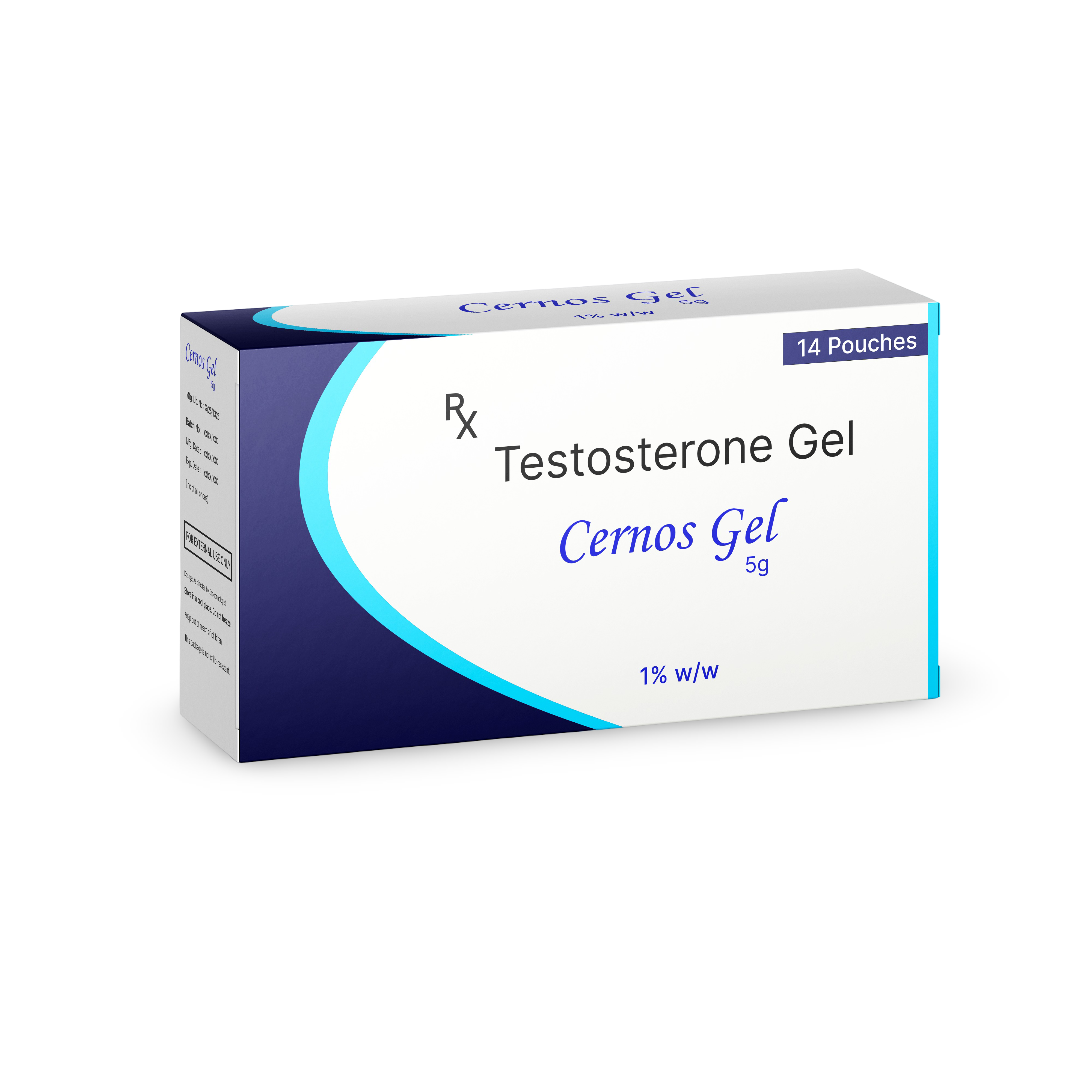
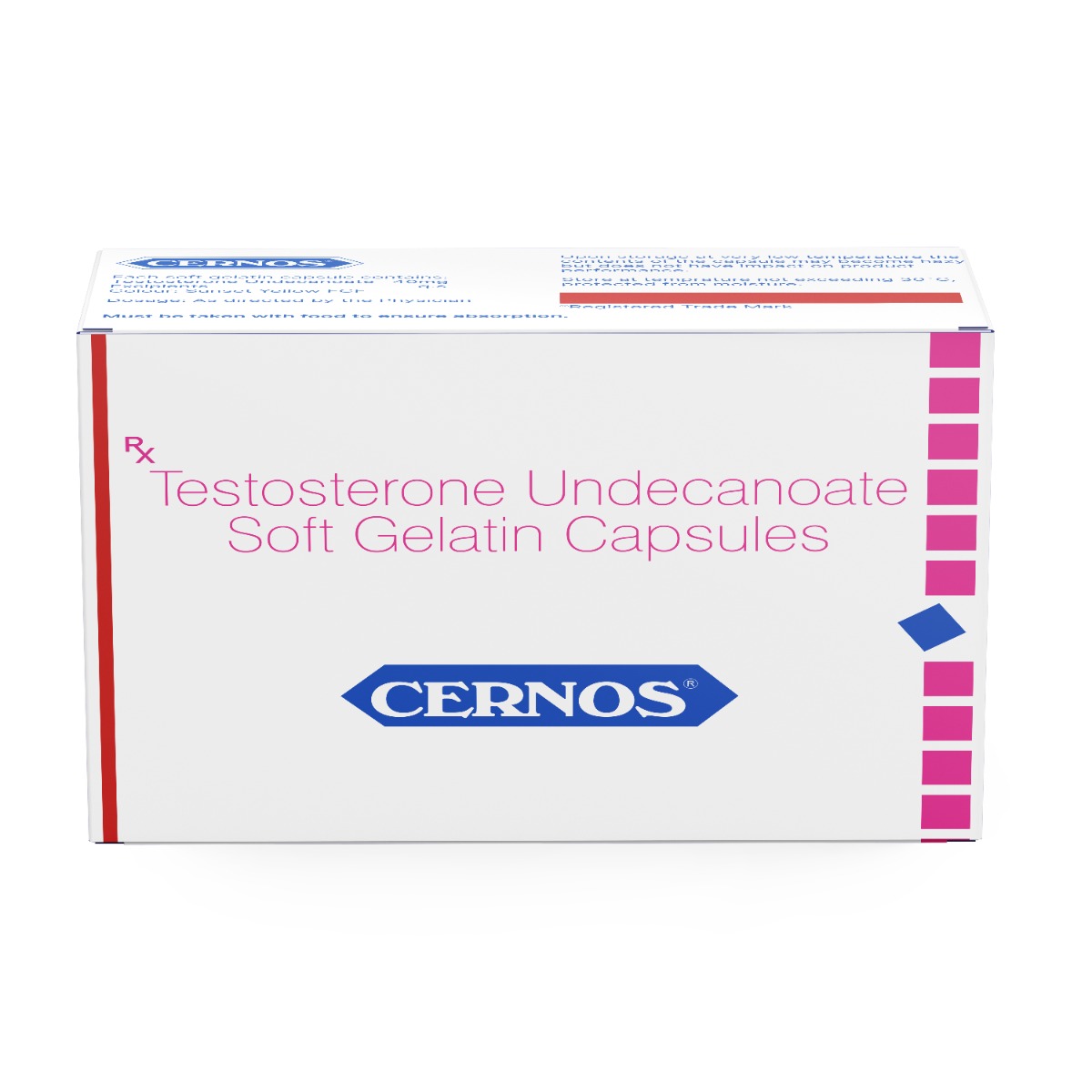
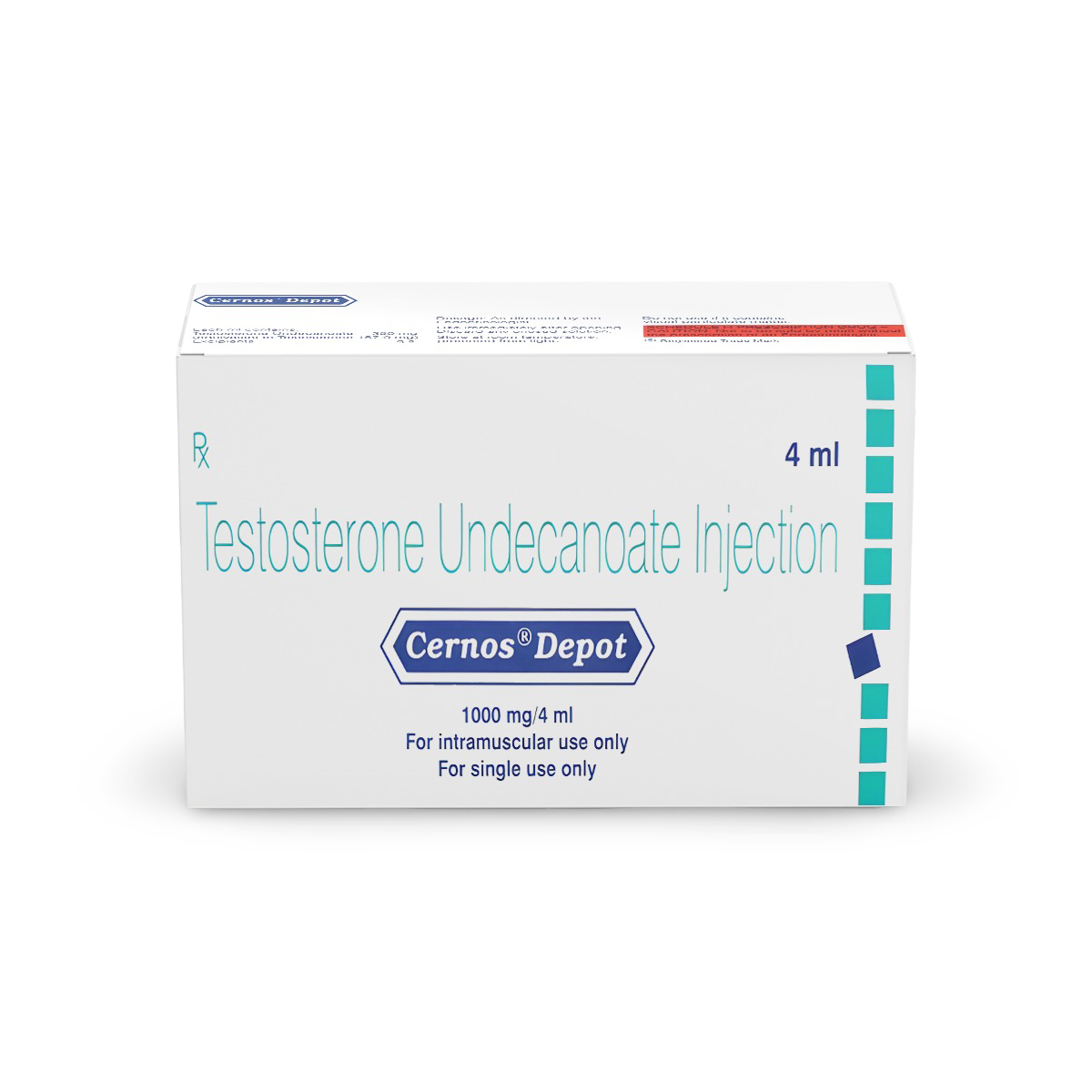
- Consider TRT: Testosterone Replacement Therapy in the form of pills, gels, patches, creams, or shots can help with low libido. However, it is only prescribed for a confirmed diagnosis of Low T under medical guidance and follow-up testing.
The best treatment plan for reduced sex drive in men is usually a combination of lifestyle changes, medical review, and emotional support rather than one quick fix.
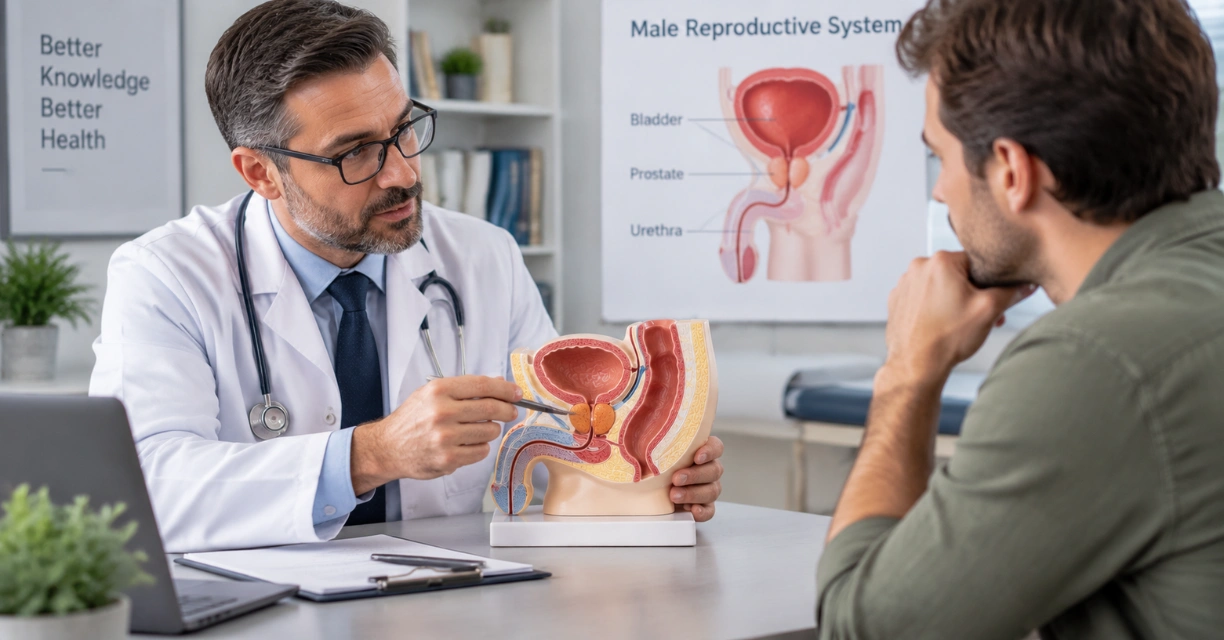
When should you see a doctor for libido changes?
You should see a clinician if a low sex drive lasts for several months, feels distressing, or starts affecting your relationship. Seek prompt medical advice if:
- Low libido started suddenly after a new medication, major illness, or stressful life event.
- You also notice a loss of morning wood, fatigue, reduced muscle mass, or other Hypogonadism symptoms.
- You have ED, PE, or urinary symptoms along with reduced desire.
- Depression, Anxiety, or stress is interfering with your daily life, confidence, and relationships.
- You notice symptoms that could suggest Diabetes, High Blood Pressure, thyroid problems, or major sleep issues.
A clinician can help determine whether the main issue is hormonal, psychological, medication-related, or linked to another health condition. Accordingly, they will personalize a treatment plan best suited to your symptoms.

Conclusion
Low sex drive in men is quite common and increasingly so with advancing age. It can show up as less interest in sexual activity, fewer sexual thoughts, or avoidance of intimacy. While underlying health conditions and Low Testosterone play a major role, a lasting drop in sex drive is linked to several other physical, emotional, or lifestyle factors.
Causes of low libido in men include poor sleep, chronic stress, Depression, relationship strain, alcohol use, and side effects of certain medicines. Because several factors can often overlap, a thorough diagnosis with blood sugar checks, hormone level tests and mental-health questionnaires is advisable.
Based on the underlying cause, low sex drive can be addressed with better sleep, regular exercise, stress control and a nutrient-rich diet. Counseling and medication review can also help in some cases, whereas Testosterone Replacement Therapy is usually advised for confirmed deficiency and symptoms of Hypogonadism.
Consult your doctor if you notice a sudden or persistent loss of libido, accompanying erectile issues or urinary symptoms.
Frequently Asked Questions
At what age is low sex drive in men most common?
Low sex drive becomes more common after age 45, primarily due to low testosterone levels, but it can happen at any age. Testosterone gradually declines by 1% every year beginning in the 40s. This can reduce libido, especially when sleep, mood, or chronic illness also play a role.
What causes a sudden loss of libido in men?
Sudden loss of libido in men is often linked to side effects of a new medication, a major stressful event, illness, poor sleep, or relationship conflict. A sudden or severe drop in sex drive should thus be medically evaluated.
Is low libido different from Erectile Dysfunction?
Yes, low libido and Erectile Dysfunction are different. Low libido means reduced interest in sexual activity, while Erectile Dysfunction means difficulty getting or keeping an erection. However, the causes of both often overlap, as stress, Low Testosterone, poor sleep and diet can affect drive, arousal, and performance.
What blood tests are used for male libido problems?
Doctors usually start with blood tests for morning Total Testosterone on 2-3 different days. Depending on the symptoms, they may also check thyroid function, blood sugar, prolactin, and luteinizing hormone levels. These tests help identify hormone or metabolic causes of low libido in men.
My husband has no desire for sex. What can I do?
If your husband has lost desire for sex, start with a calm conversation about any stress, mood, or sleep issues he is facing. Encourage him to discuss medication changes or health issues with a doctor. In the meantime, focus on emotional closeness and low-pressure intimacy, instead of intercourse.
Citations
GoodRxMedicine only refers to credible, authoritative sources for our content. If you're curious about how we ensure the integrity of our content, we encourage you to read our Content Information Policy.
Average rating 4.9 / 5
How useful was this post?
Click on a star to rate it!
Gina Walters is the diet and lifestyle writer at Goodrxmedicine.com. She holds a level 6 diploma in natural nutrition and lifestyle and is an ardent preacher of veganism. A fitness enthusiast by heart, Gina’s passion for fitness follows into her personal life too.
Learn MoreDr. James Mitchell is a board-certified physician with 18+ years of clinical experience in Sexual Medicine and Reproductive Health. He helps patients navigate intimate health concerns through medically sound guidance and compassionate, patient-centered care.
Learn More