



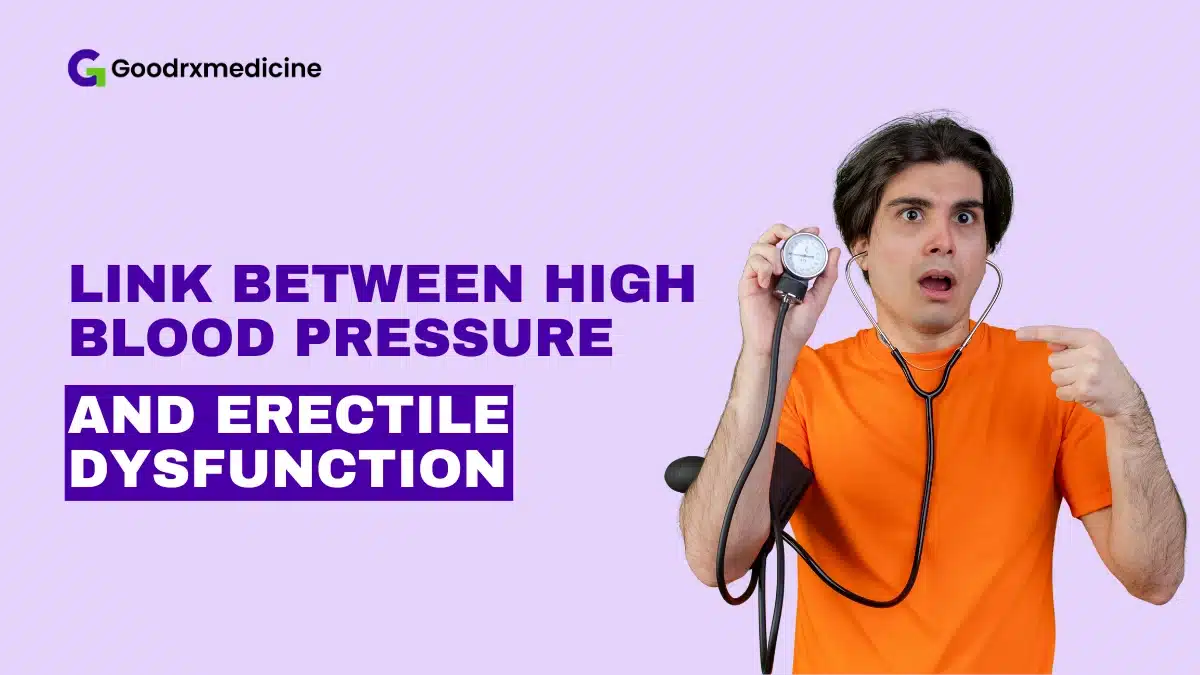
Blood pressure and Erectile Dysfunction (ED) are closely linked, and the connection is stronger than most men realize. ED not only affects sexual health, but it can also be an early sign of problems in the heart and blood vessels.
An erection depends on healthy blood flow, which is why High Blood Pressure can gradually affect sexual function over time. Many men may notice changes in their erections without realizing that it could be linked to their cardiovascular health.
These early signs are often ignored or blamed on stress, fatigue, or age. However, Erectile Dysfunction can sometimes appear before other symptoms of High Blood Pressure, making it an important early warning signal.
In this article, you shall understand the link between Hypertension or High Blood Pressure and Erectile Dysfunction, how it impacts blood flow, the role of medications, and the steps you can take to improve your condition.
Can High Blood Pressure cause ED?
Yes, High Blood Pressure (High BP) can directly cause ED. An erection depends on healthy blood flow to the penis. When blood pressure stays high for a long time, it damages the inner lining of blood vessels. This damage makes the arteries narrow and less flexible.
As a result, less blood reaches the penis during sexual arousal. Without proper blood flow, getting or keeping an erection becomes difficult.
In many cases, ED can appear before other symptoms of High Blood Pressure. This happens because the arteries in the penis are smaller than those in the heart. Even slight damage or narrowing shows up earlier in sexual performance. Men who suddenly develop ED, especially without an obvious cause, should consider checking their blood pressure.
The International Journal of Hypertension reported in 2021 that approximately 46.34% of Hypertensive men experienced ED, making it a very common coexisting issue among Hypertensive males.
Save up to 90% on your medicine bills
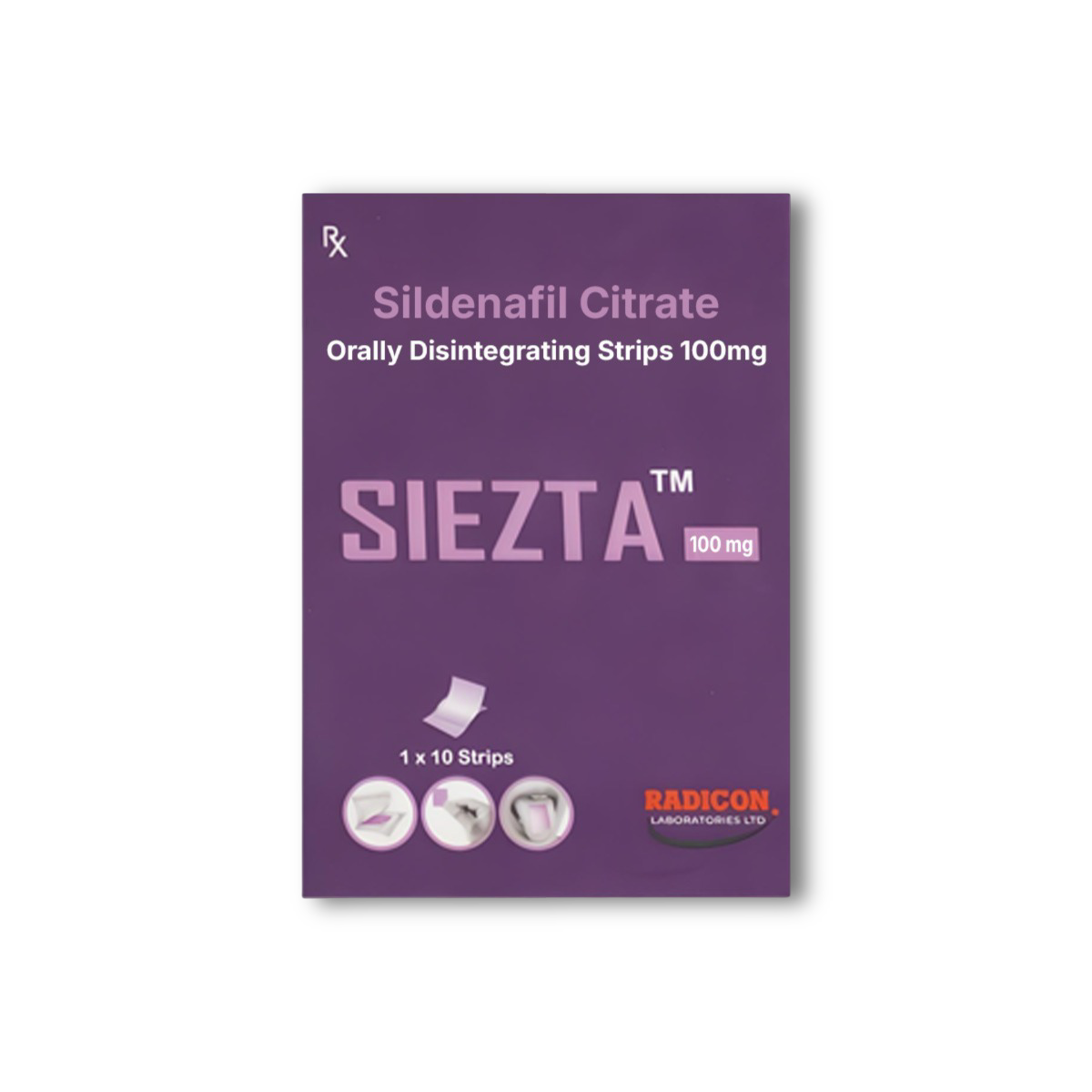
Siezta 100 Mg Sildenafil Oral Strips
Starting at just $1.60 per stripBuy Now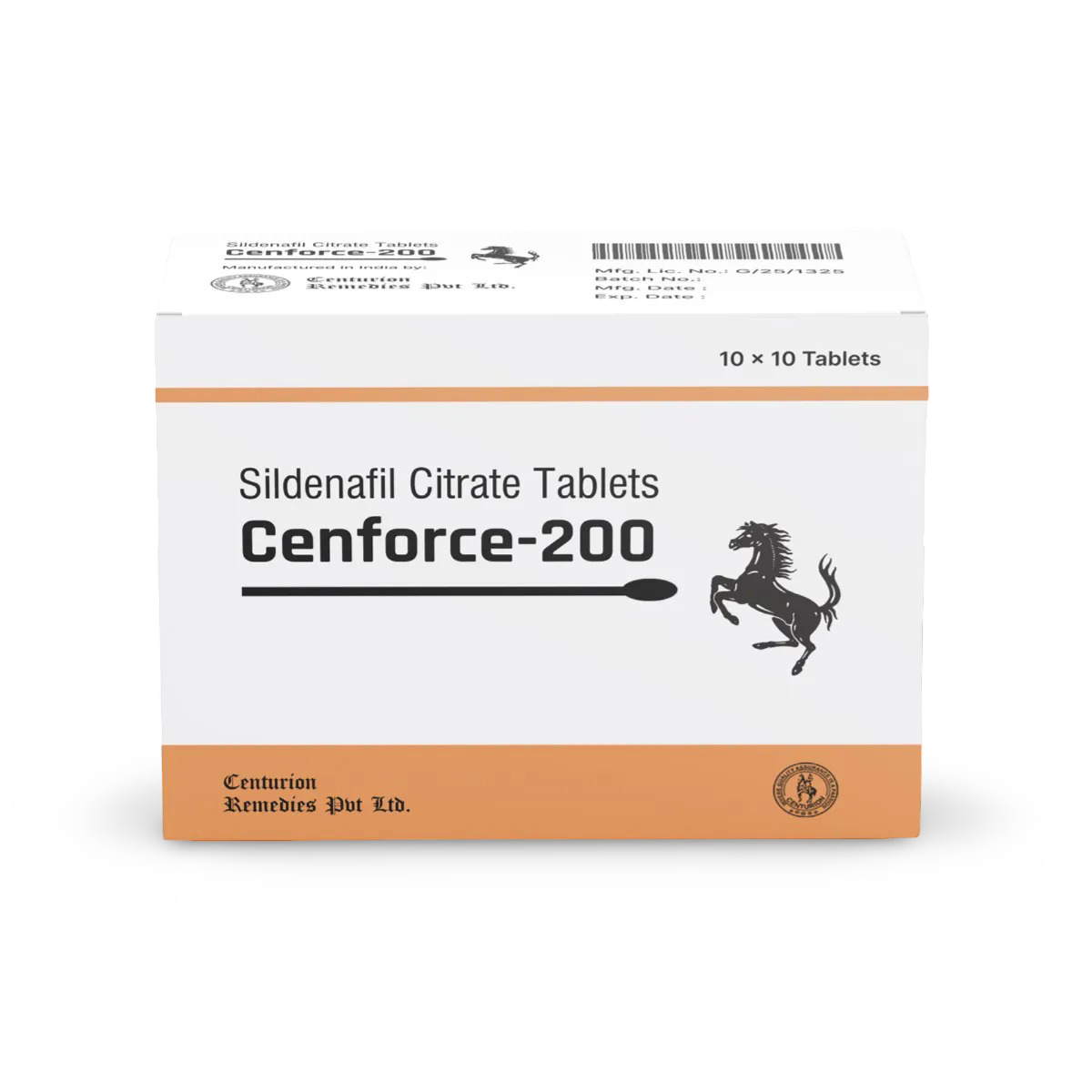
Cenforce 200 mg
Starting at just $0.84 per tabletBuy Now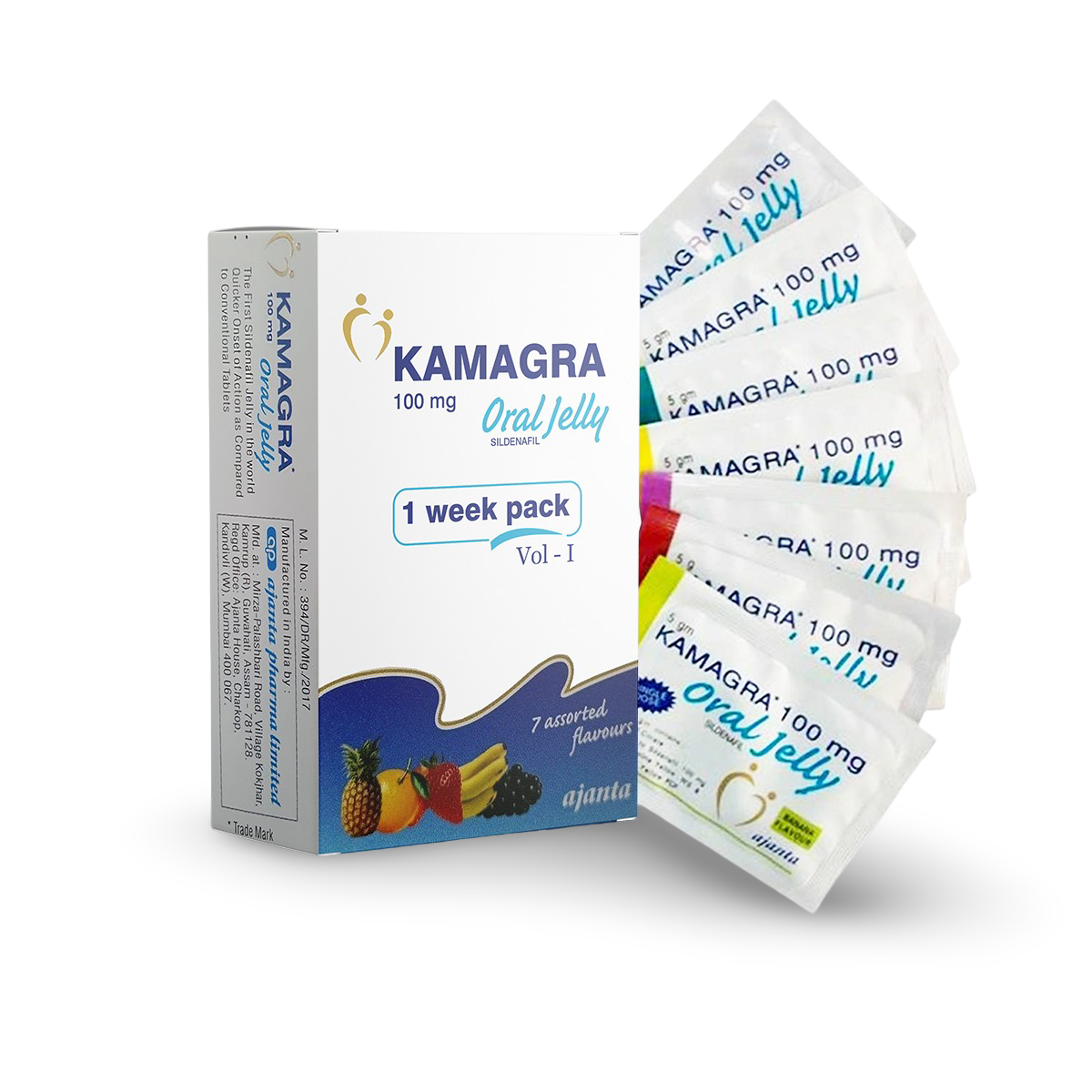
Kamagra Oral Jelly Rx 100 mg
Starting at just $13.12 per tabletBuy Now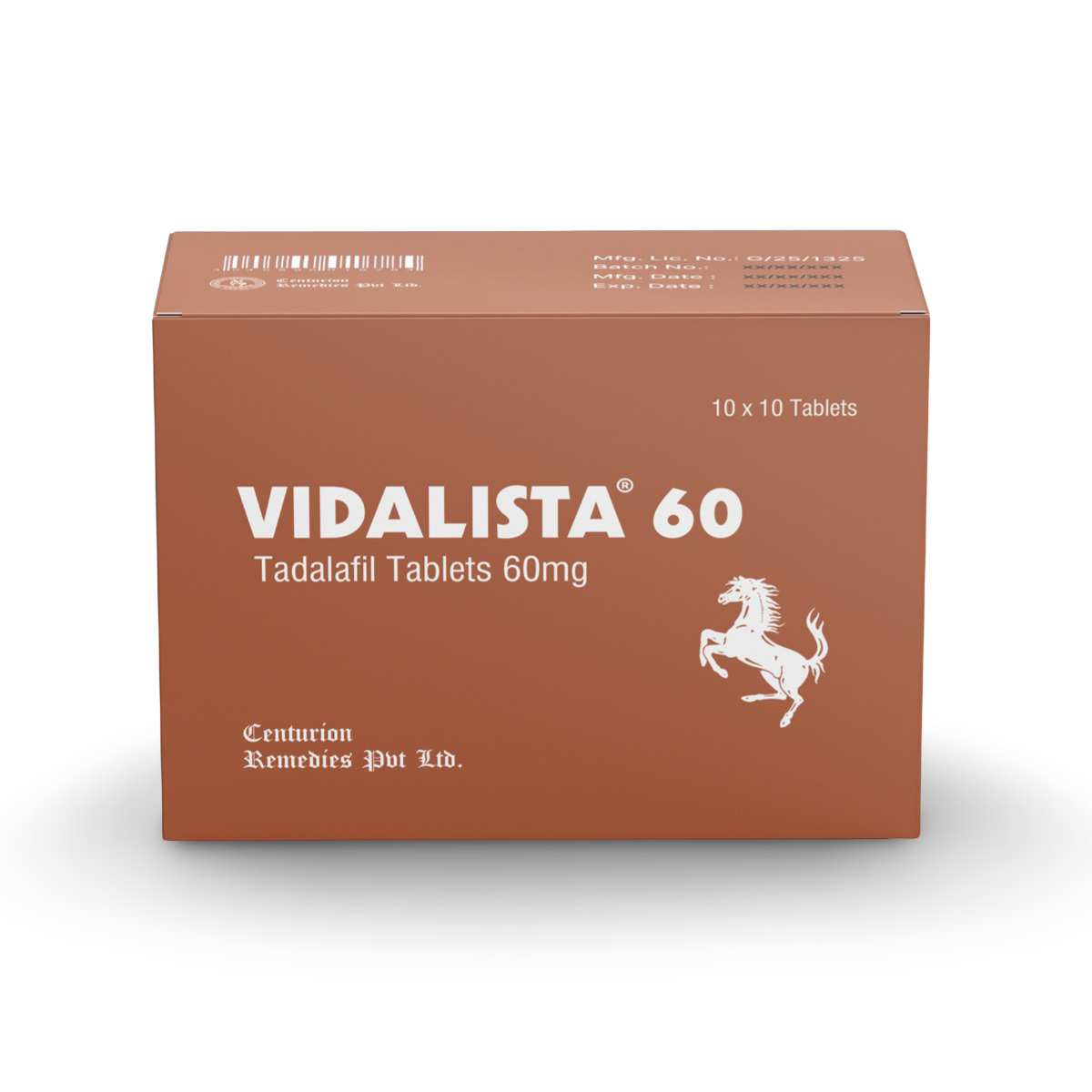
Vidalista 60 mg
Starting at just $0.91 per tabletBuy NowHow High Blood Pressure affects erections
During sexual arousal, your brain sends signals that relax blood vessels in the penis. This allows more blood to flow in, creating an erection. High Blood Pressure disrupts this process because of:
- Damaged blood vessels: Constant pressure weakens and stiffens blood vessel walls. This reduces their ability to expand when needed.
- Reduced blood flow: Narrow arteries limit the amount of blood reaching the penis.
- Poor Nitric Oxide (NO) function: Nitric oxide is a chemical that helps blood vessels relax. High Blood Pressure reduces its availability, making erections harder to achieve.
- Endothelial dysfunction: The endothelium (inner lining of blood vessels) becomes less efficient, affecting overall circulation.
- Side effects of blood pressure medications: Certain beta-blockers and diuretics can contribute to ED by reducing blood flow or affecting the nerve and blood vessel responses involved in achieving an erection. However, not all BP medications affect sexual function, and some have minimal or no impact.
Regular morning erections or morning wood (also called nocturnal erections) usually mean that the physical blood flow to the penis is still working properly. If a man with High Blood Pressure stops experiencing these, it may indicate a physical (vascular) problem rather than stress or anxiety.
Risk factors that worsen both conditions
High Blood Pressure and Erectile Dysfunction often develop from the same underlying risk factors. These shared factors not only increase the likelihood of both conditions but can also worsen their severity over time if left unaddressed. Common risk factors for High BP and ED include:
- Smoking: Smoking damages blood vessels and reduces nitric oxide levels, which are essential for proper blood flow. Over time, this makes it harder to achieve and maintain an erection.
- Obesity: Excess body fat is linked to poor circulation and lower testosterone levels. Both factors can reduce sexual function and increase the risk of ED.
- Lack of physical activity: A complete lack of exercise or a sedentary lifestyle weakens cardiovascular health and blood flow. Poor circulation directly affects the ability to get and sustain an erection.
- Poor diet (high salt and processed foods): Unhealthy diets contribute to High Blood Pressure, cholesterol buildup, and artery damage. These changes restrict blood flow to the penis.
- Diabetes: Diabetes can damage nerves and blood vessels over time. This interferes with both the physical and nerve signals needed for an erection.
- High cholesterol: High levels of cholesterol cause plaque buildup in arteries (Atherosclerosis). Narrowed arteries reduce blood flow, making erections weaker or difficult to achieve.
- Stress: Chronic stress increases cortisol levels, which can increase blood pressure. It can also interfere with brain signals involved in sexual arousal and erection.
How to manage ED caused by Hypertension
The best way to manage Erectile Dysfunction caused by Hypertension is to control the underlying condition. Improving blood pressure levels can help restore healthy blood flow and reduce the severity of ED over time. Here are ways to manage ED due to High BP:
- Control blood pressure: Treating Hypertension improves blood flow and reduces damage to arteries, thereby supporting erectile health.
- Eat a healthy diet: Eat fruits and vegetables, whole grains, lean protein and focus on low salt intake. This helps reduce blood pressure naturally.
- Maintain a healthy weight: Losing excess weight improves both blood pressure and sexual function.
- Quit smoking: Consider quitting gradually with the help of nicotine replacement therapy, counseling, or support programs. Stopping smoking improves blood vessel health and blood circulation over time.
- Limit alcohol: Reducing alcohol intake can help improve blood pressure control and erectile function.
- Exercise regularly: Physical activity improves blood circulation and supports heart health. Even moderate exercise, like a 30-minute walk daily, can make a difference.
- Manage stress: Practice stress-management techniques like meditation, deep breathing, regular exercise, proper sleep, or talking to a counselor. Lower stress levels can benefit both blood pressure and sexual performance.
- Prioritize heart health. Managing cholesterol, blood sugar, and overall heart health can improve blood flow and support better erections.
- Check your current medications: Some medicines used for Hypertension, Depression, or other conditions can contribute to ED. Speak with a doctor before stopping or changing any prescribed medication.
- Consider ED medications under medical guidance: Prescription ED medications like Sildenafil or Tadalafil can help improve erections, but they should only be used after medical evaluation, especially if you take heart or blood pressure medicines.
When to see a doctor
Erectile Dysfunction linked to High Blood Pressure should not be ignored, especially if it is persistent or worsening. While occasional difficulty with erections can happen, ongoing symptoms may indicate an underlying health issue that needs medical attention. You should consider seeing a doctor if:
- Erection problems occur frequently or last for several weeks.
- You have been diagnosed with High Blood Pressure.
- You experience other symptoms such as chest pain, shortness of breath, or fatigue.
- You have conditions like Diabetes, High Cholesterol, or Obesity.
- ED is affecting your mental health or your relationship.
Early medical evaluation helps identify the exact cause and allows for timely treatment of Hypertension. In many cases, managing blood pressure and overall health can significantly improve erectile function.
Conclusion
High Blood Pressure and Erectile Dysfunction are related, mainly through their impact on blood vessels and circulation. When Hypertension damages the arteries and reduces blood flow, it directly affects the ability to achieve and maintain an erection. In many cases, ED can even appear as an early warning sign of underlying cardiovascular problems.
Controlling blood pressure through lifestyle changes, proper diet, regular exercise, and medical care can significantly improve erectile function. Paying attention to early symptoms and making timely changes can prevent the condition from worsening.
If ED persists, appears suddenly or is affecting your mental health, it is important not to ignore it. Getting medical advice can help identify the cause and ensure effective treatment.

Frequently Asked Questions
Can blood pressure medications lead to ED?
Yes, some blood pressure medications like beta-blockers and diuretics can cause ED by reducing blood flow or affecting nerve signals. Others, such as ACE inhibitors, ARBs, and calcium channel blockers (CCBs), are less likely to cause this. Do not stop taking the medicine without consulting your doctor.
Is ED reversible when caused by Hypertension?
Yes, ED caused by Hypertension can often be improved or reversed. Controlling blood pressure through lifestyle changes, medication adjustments, and better cardiovascular health can restore blood flow. Early management increases the chances of recovery, but long-term damage to blood vessels can limit complete reversal in some men.
Is it safe to take ED medication with High Blood Pressure?
Yes, it is generally safe to take ED medication with High Blood Pressure under medical supervision. Doctors assess your overall health, current medications, and heart condition before prescribing. Some combinations can be risky, so proper guidance ensures safe use while minimizing side effects and preventing complications related to blood pressure control.
Can treating ED improve overall heart health?
No, treating Erectile Dysfunction does not directly improve heart health, but it often leads to better management of underlying risk factors. Men may adopt healthier lifestyles, control blood pressure, and seek medical care. These changes can positively impact cardiovascular health and reduce the risk of future heart-related complications over time.
GoodRxMedicine only refers to credible, authoritative sources for our content. If you're curious about how we ensure the integrity of our content, we encourage you to read our Content Information Policy.

Julian Carter is a highly accomplished MBA graduate in Pharmaceutical Management, celebrated for his extensive experience and exceptional skills in the pharmaceutical industry. With a wealth of knowledge and expertise, Julian is a valuable contributor to the field and a trusted voice in pharmaceutical management.
As a contributing writer for Goodrxmedicine.com, Julian is committed to educating and empowering individuals to make informed decisions about their health. His passion for the industry is evident in his work, and his dedication to improving the lives of others through education and empowerment is truly remarkable.
With a reputation for excellence and a track record of success, Julian Carter is a respected and admired figure in pharmaceutical management. His insights and contributions to the field are highly valued, and her expertise has helped shape the direction of the industry for the better.
Through his work as a contributing writer for Goodrxmedicine.com and beyond, Julian continues to make a meaningful impact in the lives of many. His commitment to excellence and dedication to improving the health of individuals and communities around the world make him an inspiration to others in the field.