






As men get older, prostate health becomes an important part of overall well-being. The prostate is a small gland that helps in urinary function and reproductive health. With age, many men experience issues like frequent urination, weak urine flow, or discomfort, which are often linked to an enlarged prostate, medically known as Benign Prostatic Hyperplasia or BPH.
This is where prostate health supplements come in. These supplements are widely used to support urinary function, reduce discomfort, and promote long-term prostate health. While they are not a cure for medical conditions, they can help manage mild symptoms and support overall prostate function when used correctly.
In this article, we will explain what prostate health supplements are, how they work, their key ingredients, benefits, and what you should keep in mind before using them.
Commonly used prostate health supplements
Prostate health supplements are dietary products designed to improve the functioning of the prostate and urinary health in men. They are usually made from natural plant extracts, vitamins, and minerals that are believed to support hormonal balance and reduce inflammation.
These supplements are commonly used by men over the age of 40, especially those experiencing early signs of prostate enlargement or urinary discomfort.
They are not medicines and do not treat diseases directly, but they help improve the quality of life by promoting normal prostate function.
Save up to 90% on your medicine bills
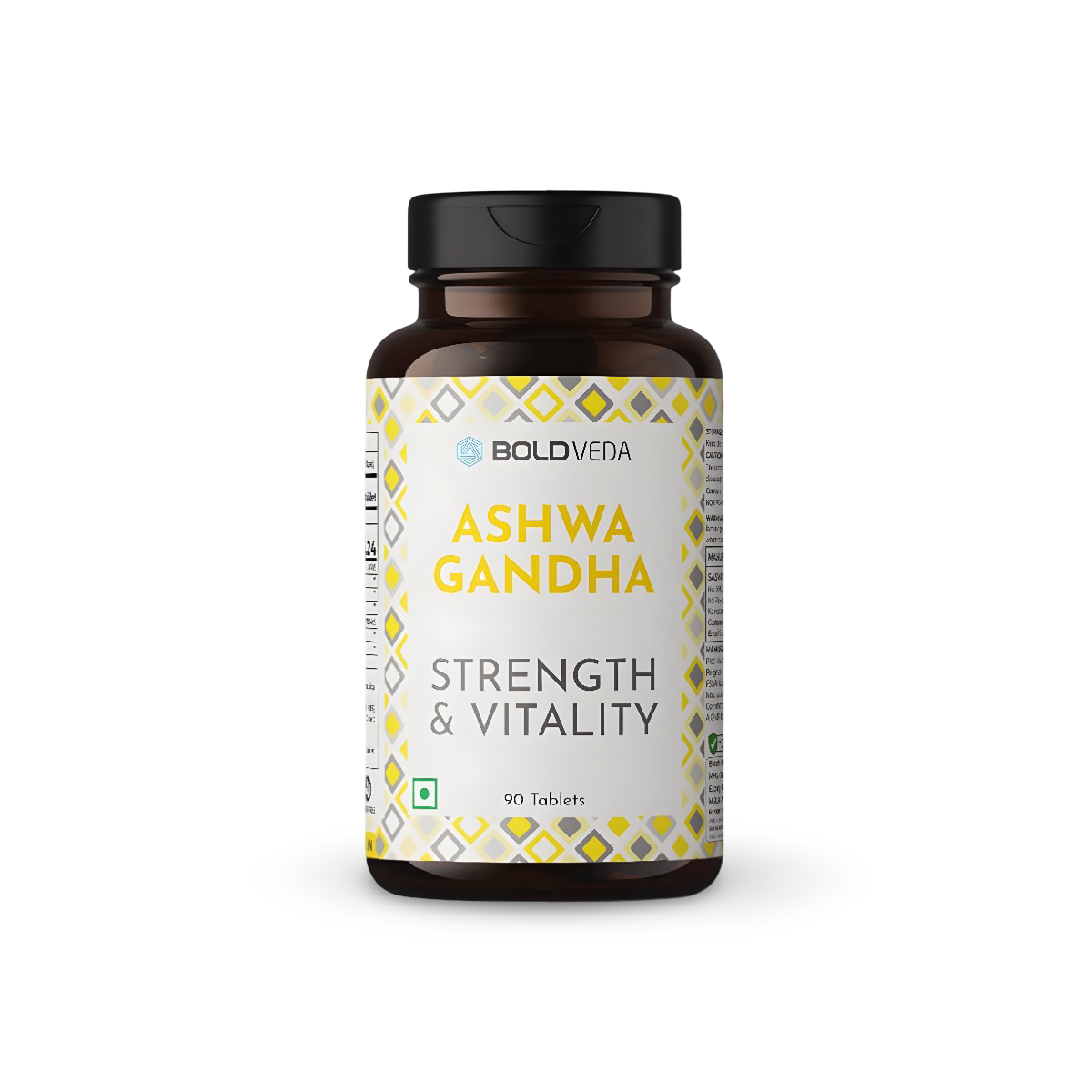
Boldveda Ashwagandha Tablets for Men & Women
Starting at just $0.22 per tabletBuy Now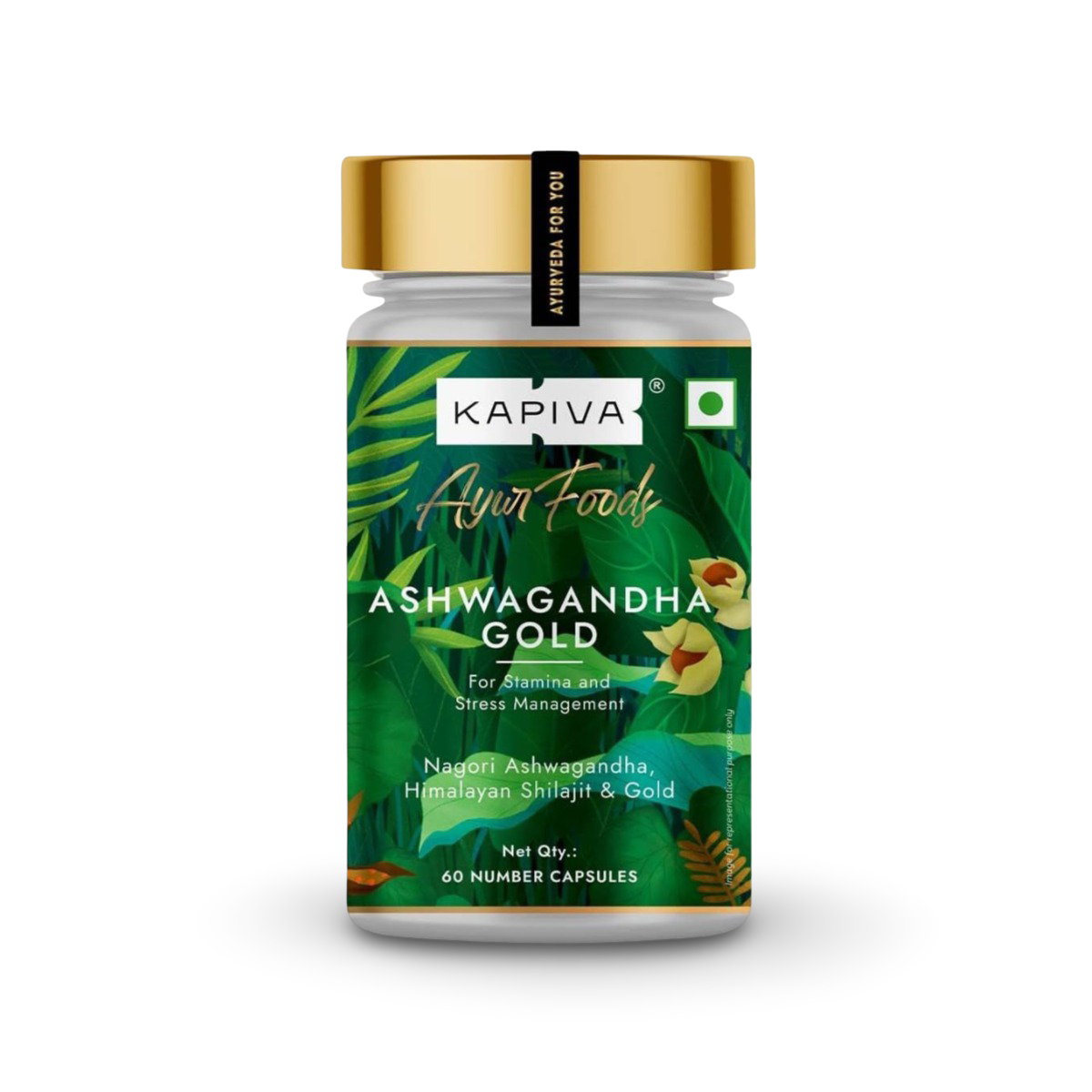
Kapiva Ashwagandha Gold Capsules
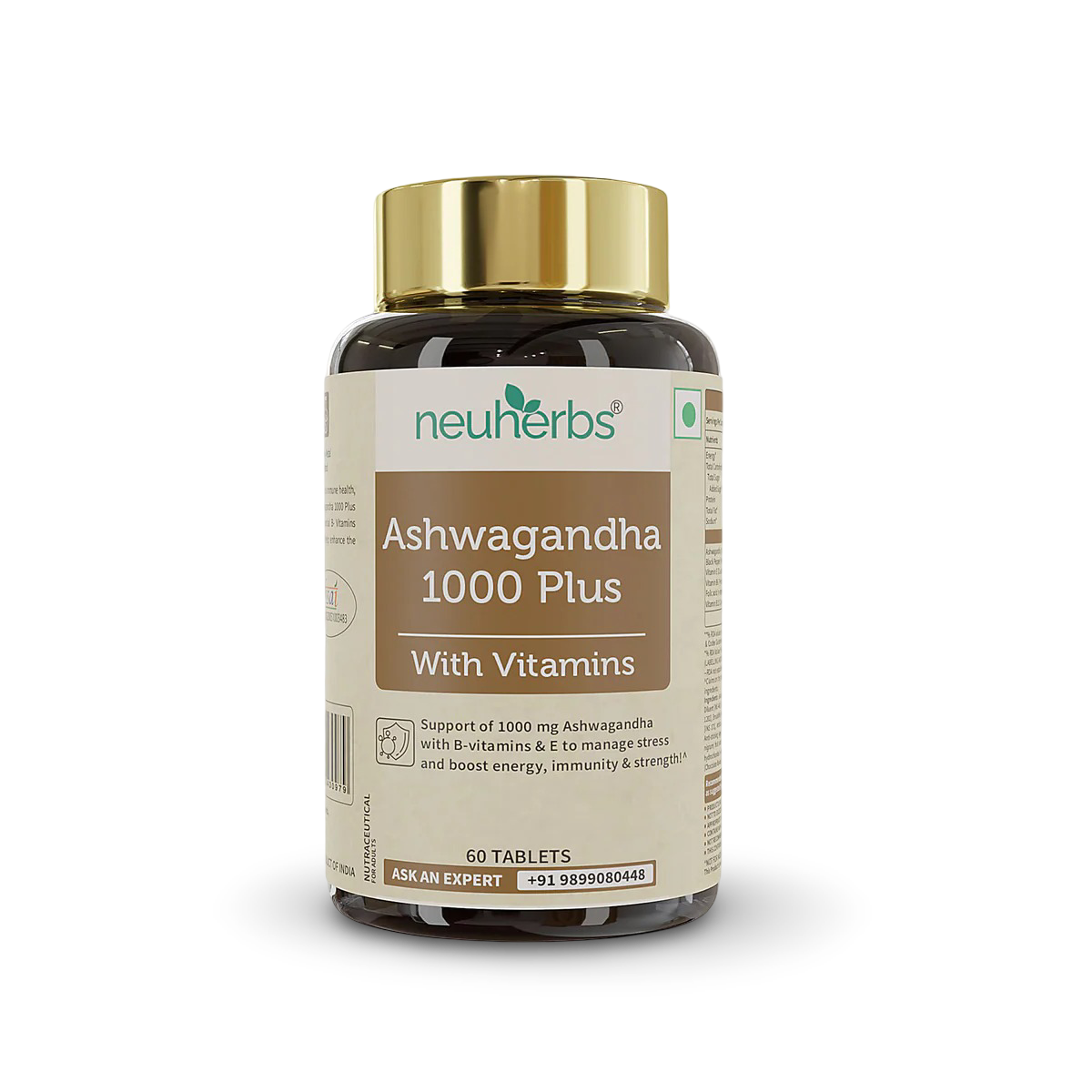
Neuherbs Ashwagandha 1000 Plus Tablets

Rasayanam Pure Shilajit Resin
Starting at just $36.36 per tabletBuy NowSome commonly used men’s prostate health supplements are:
1. Saw palmetto
Saw palmetto is a plant extract taken from the berries of the serenoa repens plant and is one of the most widely used natural supplements for prostate health. It is commonly used to help manage symptoms of an enlarged prostate (BPH), such as weak urine flow and frequent urination at night. It can also support hormonal balance linked to prostate growth. Many men prefer it because it is widely available and generally well tolerated for long-term use.
Available forms: Capsules, softgels, tablets, liquid extracts, powders, and teas
Typical dosage: 160 mg twice daily or 320 mg once daily (standardized extract)
2. Zinc
Zinc plays an important part in immune function and hormone regulation. The prostate gland naturally contains high levels of zinc, and maintaining adequate levels can help with normal prostate function and overall reproductive health. This mineral can also help in maintaining healthy testosterone levels.
Available forms: Tablets, capsules, lozenges, gummies, powders, and multivitamin formulations
Typical dosage: 15–30 mg per day (do not exceed 40 mg unless advised)
3. Lycopene
Lycopene is an antioxidant found in tomatoes and other red-colored fruits. It helps protect prostate cells from oxidative stress and damage caused by free radicals. Regular intake can support long-term prostate health and reduce inflammation in the body. It can be especially beneficial for men looking to support overall prostate wellness as they age rather than manage immediate urinary symptoms.
Available forms: Capsules, softgels, tablets, powders, and tomato-based dietary supplements
Typical dosage: 10–30 mg per day
4. Pygeum africanum
Pygeum is extracted from the bark of the African plum tree. It has been traditionally used to reduce inflammation in the prostate and improve urinary health. It can help improve urine flow, reduce nighttime urination, and provide relief from urinary discomfort.
Pygeum is often combined with saw palmetto or stinging nettle in prostate support formulas because these ingredients can complement each other.
Available forms: Capsules, tablets, liquid extracts, and combination prostate supplements
Typical dosage: 50–100 mg twice daily
5. Pumpkin seed extract
Pumpkin seed extract is rich in healthy fats, antioxidants, and essential nutrients that help both bladder and prostate health. It can help reduce frequent urination and improve overall urinary function while also supporting hormonal balance.
Unlike some herbal supplements that mainly target inflammation, pumpkin seed extract provides nutritional support. It is also commonly included in combination prostate formulas because it is generally well-tolerated.
Available forms: Capsules, oils, powders, softgels, and roasted pumpkin seed products
Typical dosage: 500–1000 mg per day
6. Beta-sitosterol
Beta-sitosterol is a plant-based compound naturally found in fruits, vegetables, nuts, and seeds. It is known for improving urinary health by improving urine flow and reducing the feeling of incomplete bladder emptying. It can also help ease discomfort associated with prostate enlargement. It has also been shown to stop the growth of Cancer cells in cases of Prostate Cancer; however, current research is limited
Available forms: Capsules, tablets, softgels, powders, and combination supplements
Typical dosage: 60–130 mg per day (often divided into doses)
7. Selenium
Selenium is a trace mineral with antioxidant properties that help protect cells from damage. It helps in promoting a healthy immune function and prostate tissue. Adequate selenium intake can contribute to long-term prostate health.
It is usually needed only in small amounts because the body requires very little Selenium for normal functioning. Taking excessive amounts for long periods can increase the risk of side effects such as nausea, brittle nails, hair loss, or fatigue.
Available forms: Tablets, capsules, multivitamins, and mineral combination supplements
Typical dosage: 55–200 mcg per day
8. Stinging nettle root
Stinging nettle root is a plant extract commonly used alongside other prostate supplements. It can help reduce symptoms of prostate enlargement by improving urine flow and reducing inflammation. It is often combined with saw palmetto for improved effectiveness.
It is often preferred by men looking for a combination herbal support rather than a single-ingredient supplement. However, it can interact with blood pressure medications, diabetes medicines, and diuretics in some individuals.
Available forms: Capsules, tablets, teas, tinctures, powders, and liquid extracts
Typical dosage: 300–600 mg per day
While supplements help improve mild urinary symptoms and prostate function, persistent urinary problems require proper medical evaluation to rule out conditions such as significant BPH, infection, or Prostate Cancer.
Things to keep in mind
Before starting any prostate health supplement, it is important to understand that results and safety can vary from person to person. Using them correctly and with awareness helps avoid unnecessary risks. Always be mindful of the following:
- Dosage can vary depending on the ingredient and brand.
- Age and individual health conditions can affect how the body responds.
- Product formulation (extract strength, combinations) can change effectiveness.
- Always refer to the instructions on the label for correct dosage and usage instructions.
- These supplements typically take 4 to 8 weeks to show noticeable effects, and in some cases, up to 12 weeks for better results.
- They do not replace proper medical diagnosis or treatment.
- Mild side effects like digestive discomfort, headache, or allergic reactions can occur in some individuals.
- Consult a doctor before use, especially if taking other medications or having an existing condition.
Conclusion
Prostate health supplements can be a helpful addition for men looking to manage mild urinary symptoms and support overall prostate function. Ingredients like saw palmetto, lycopene, zinc, and beta-sitosterol can offer benefits by improving urine flow, reducing discomfort, and supporting long-term prostate health. However, their effectiveness depends on the individual, the quality of the supplement, and consistent use over time.
It is important to understand that these supplements are not a cure for prostate conditions and should not replace proper medical care. Paying attention to dosage, product quality, and your overall health condition is essential for safe use.
When combined with a healthy lifestyle and medical guidance when needed, prostate supplements can play a supplementary role in maintaining better urinary and prostate health.

Frequently Asked Questions
Are prostate health supplements safe for long-term use?
Prostate health supplements are generally safe for long-term use when taken in recommended dosages and from reliable brands. However, safety depends on individual health, ingredient quality, and interactions with medications. Regular medical check-ups and professional advice are important so that they remain safe and effective over time.
Can younger men take prostate health supplements?
Yes, younger men can take prostate health supplements, but they are usually not necessary unless there are specific symptoms or a medical recommendation. These supplements are mainly designed for age-related prostate changes. For younger individuals, maintaining a healthy lifestyle is typically more beneficial than relying on supplements.
Can prostate supplements shrink an enlarged prostate?
No, prostate supplements do not shrink the enlarged prostate. They can help manage symptoms like poor urine flow or frequent urination, but they do not reverse enlargement. Medical treatment is required for significant prostate size reduction.
Can prostate supplements be taken on an empty stomach?
No, some prostate supplements can cause mild stomach discomfort if taken on an empty stomach. In most cases, taking them with food improves absorption and reduces irritation. Always follow the instructions on the label for effective results.
GoodRxMedicine only refers to credible, authoritative sources for our content. If you're curious about how we ensure the integrity of our content, we encourage you to read our Content Information Policy.

Julian Carter is a highly accomplished MBA graduate in Pharmaceutical Management, celebrated for his extensive experience and exceptional skills in the pharmaceutical industry. With a wealth of knowledge and expertise, Julian is a valuable contributor to the field and a trusted voice in pharmaceutical management.
As a contributing writer for Goodrxmedicine.com, Julian is committed to educating and empowering individuals to make informed decisions about their health. His passion for the industry is evident in his work, and his dedication to improving the lives of others through education and empowerment is truly remarkable.
With a reputation for excellence and a track record of success, Julian Carter is a respected and admired figure in pharmaceutical management. His insights and contributions to the field are highly valued, and her expertise has helped shape the direction of the industry for the better.
Through his work as a contributing writer for Goodrxmedicine.com and beyond, Julian continues to make a meaningful impact in the lives of many. His commitment to excellence and dedication to improving the health of individuals and communities around the world make him an inspiration to others in the field.