




A healthy relationship isn’t defined by the absence of problems, but by how they are managed by both partners. You don’t get lucky with such relationships, but you achieve them when both of you show up for each other through effective communication, trust, empathy, and shared effort.
Love can feel exciting and passionate at first, but it lasts only when both people put in effort. Whether it’s a new relationship, a long-term one, a long-distance situation, or you’re trying to break old, unhealthy habits, the basics don’t change. A healthy relationship needs respect, clear boundaries, emotional maturity, and intentional communication.
This guide helps you understand how to have a healthy relationship with your partner. It will teach you to resolve conflicts without harm, stay emotionally connected, and eliminate toxic habits before they take over.
Tip 1. Build open and honest communication

Strong relationships thrive on honest conversations, not guessing, silence, or emotional reactions that create distance. When partners communicate openly, the relationship becomes predictable, safe, and deeply supportive.
A healthy communication style means:
- Speak your feelings clearly: Instead of hoping your partner just knows, talk to them clearly. Leaving scope for mind-reading leads to misunderstanding, resentment, and false assumptions.
- Listen to understand before defending yourself: Sometimes your partner just needs empathy, not a solution or argument.
- Repeat what you understood before responding: Many conflicts start because both partners reacted to assumptions, not the actual meaning.
- Express emotions, not accusations: Blaming the partner instead of addressing your feelings can drift you apart.
Save up to 90% on your medicine bills

Siezta 100 Mg Sildenafil Oral Strips
Starting at just $1.60 per stripBuy Now
Cenforce 200 mg
Starting at just $0.84 per tabletBuy Now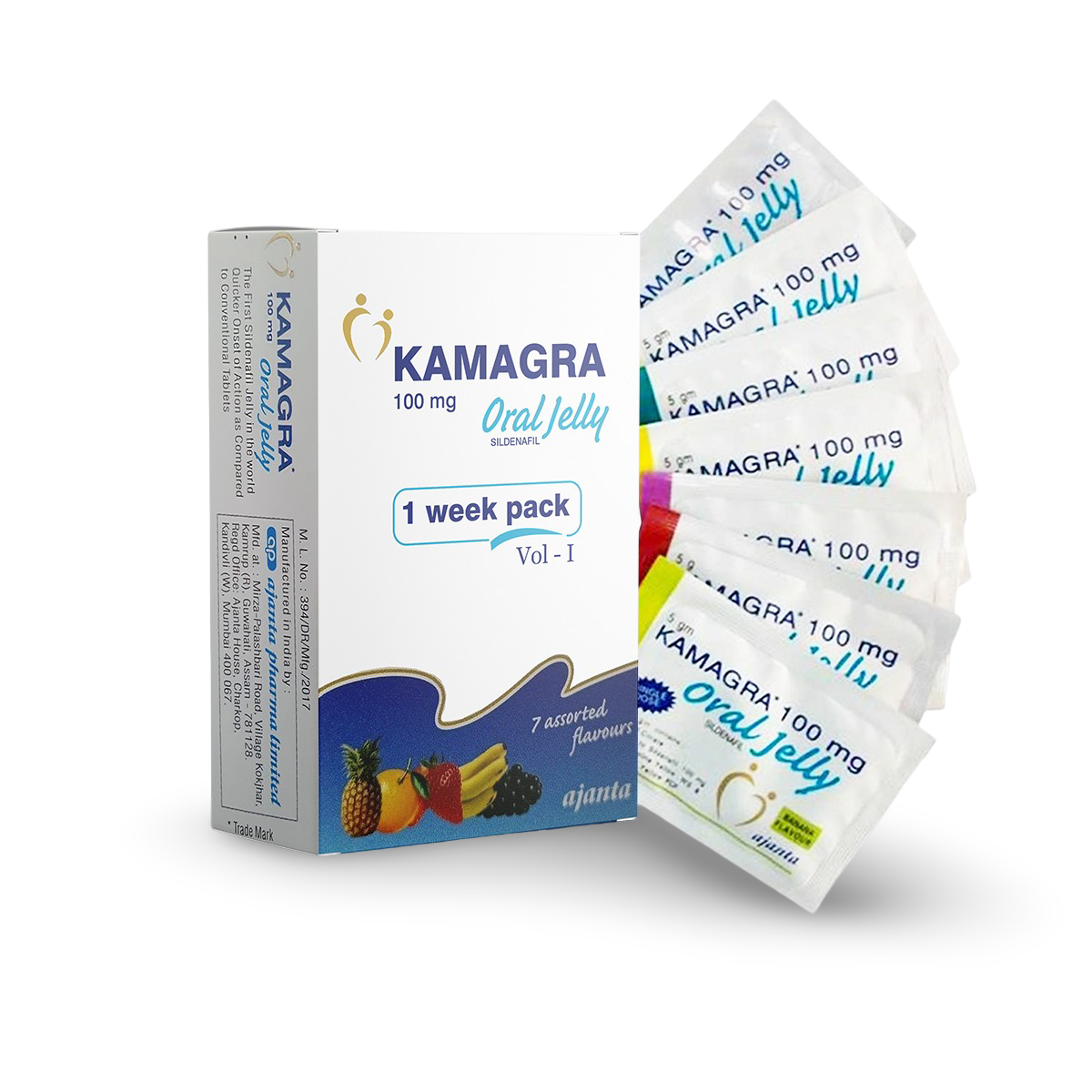
Kamagra Oral Jelly Rx 100 mg
Starting at just $13.12 per tabletBuy Now
Vidalista 60 mg
Starting at just $0.91 per tabletBuy NowTip 2. Build trust and consistently maintain it

Trust grows slowly and quietly through behavior, reliability, and transparency. It is not a one-time achievement; it requires consistent behaviour over time to show your partner they can trust you.
To protect and strengthen trust, try to:
- Be consistent in your actions and words: Prove that you do care and put effort, and not just make empty claims or promises.
- Keep private matters between you two: Do not bring them up for discussion among your friends or family.
- Be honest: Give transparency to your partner about yourself, rather than secretly doing things just because they might dislike or be upset. Hiding leads to more damage than saying the truth.
- Follow through on everyday responsibilities: Show your partner they can rely on you. If you promise to pick them up after work, do it consistently. Small reliability builds strong emotional security.
Tip 3. Set and respect healthy boundaries

Boundaries are not restrictions; they are agreements about what makes each partner feel respected, safe, and emotionally healthy. Relationships without boundaries slowly become resentful and drained.
To set productive boundaries:
- Be clear: Define what you need emotionally, physically, and mentally. Boundaries that are vague can’t be honored. For example, saying ‘I need 30 minutes alone after work’ is clearer than saying ‘I need some space.’
- Communicate calmly: Boundaries need clarity, not heat. So, bring up the discussion when both of you are calm and not during a fight. This helps you understand each other better and not react insensitively.
- Stick to the boundaries: Respect your partner’s non-negotiables as much as you expect yours to be respected.
Tip 4. Resolve conflicts as partners, not opponents

Fights aren’t unhealthy, but hurtful fighting styles are. Couples who handle conflict together respectfully grow closer because both feel safe, even when they disagree.
- Focus on the issue, not the person: Character attacks create wounds that outlast the argument. So, speak carefully, addressing the issue and not attacking the other person.
- Act together, not against each other: Treat your partner as a companion, not a competitor. Focus on ‘how do we fix it’ instead of ‘you always ruin my mood’.
- Do not let emotions take over: Avoid using emotional behavior, such as silent treatment, sarcasm, or bringing up old battles. These behaviors escalate issues instead of solving them.
- Take a break: If emotions are too high, agree to pause and return once both brains are calm enough to think logically. However, don’t leave them hanging. Let them know you’re taking a little space and will be back.
- Focus on solving problems: Make conflict-solving your main goal and not winning the argument. Instead of proving you were right, try to understand what led to the conflict and how you can ensure it is fully resolved and does not come up again.
Tip 5. Stop being toxic and build healthy relationship habits

Sometimes the problem isn’t disagreement, but the emotional habits formed over time. Even good people can develop patterns that unintentionally hurt a partner, especially under stress or insecurity.
- Pinpoint toxic habits: Identify and fix patterns such as dismissing your partner’s emotions, labeling them selfish for wanting something, or thinking only about yourself.
- Share the responsibilities: Do not leave all the work in a relationship, such as reaching out after a fight, remembering important dates like anniversaries, or planning surprises for your partner.
- Apologize without conditions: Saying things like “I’m sorry but…” cancels the apology. Acknowledge that you made your partner feel bad and genuinely apologize for it.
Tip 6. Give each other space for personal growth and individual lives

Healthy relationships allow room for individuality and personal space, and not suffocation or dependence. When both people grow individually, the relationship grows too.
- Don’t treat independence as rejection: Use the individual time and space to grow and evolve outside the relationship. This adds up to the value you bring into the relationship.
- Encourage each other: Uplift one another to pursue goals, hobbies, and career growth, or simply catch up with friends. You don’t have to be together 24/7.
- Celebrate each other’s achievements: Be happy and sincerely acknowledge both the small and big milestones that you both achieve. It shows admiration and respect for your partner, strengthening your bond.
Tip 7. Prioritize emotional and physical intimacy

Healthy relationships aren’t only built through problem-solving. They thrive through affection, appreciation, and touch. When intimacy fades, distance grows, and most people forget to try new things as the thrill of the honeymoon phase fades away and responsibilities take over.
To enhance emotional intimacy and reignite the lost passion with better intensity, you should:
- Show affection outside of sexual moments: Incorporate small touches, such as hugs, kisses, and small kindnesses, like buying their favorite meal, to maintain connection.
- Express appreciation regularly: Show appreciation through words and actions, even if it is for simple things like cooking or cleaning.
- Plan dates: Make time for romantic dates like a candlelight dinner, stargazing, or movie night. Make this your couple time, with only the two of you allowed.
- Keep your sex life alive: Bring back the spark from the early dating phase and strengthen physical intimacy. Try new sex positions, sex toys or props (if comfortable), include more foreplay, or simply give each other a sensual massage.
Tip 8. Be a team when life changes

Life doesn’t stay still with time. Careers shift, health changes, families expand, priorities evolve. Healthy couples grow through change rather than away from each other. Long-term love depends less on romance and more on choosing each other again and again.
To stay solid through transitions, you should:
- Make mutual decisions: Share decisions rather than making changes independently. For example, if you are planning to move to another city or country for work, discuss it with your partner rather than simply informing them later.
- Pay attention to each other: Check in regularly about how each partner is feeling. If either of the two is feeling drained, tired, misunderstood, or ignored, it will destroy the relationship. So, work together to fix it.
- Divide responsibilities fairly, not identically: Fairness respects each person’s strengths, schedule, and emotional bandwidth. So, if a partner likes cooking more and the other can handle finances better, dividing the responsibilities accordingly will keep the relationship stronger than going for a 50-50 in everything.
Frequently Asked Questions
How to know if my relationship is healthy?
A relationship is healthy if both partners feel safe, respected, heard, appreciated, and free to express their needs without fear. Conflicts are resolved productively, love is consistent, and neither partner feels emotionally drained more often than supported.
What is the 5-5-5 rule for couples?
The 5-5-5 rule suggests that during a disagreement, both partners will speak uninterrupted in turns for 5 minutes, while the other listens. The last 5 minutes are used to talk it through and resolve the conflict.
How to have a healthy long-distance relationship?
To maintain a healthy relationship as a long-distance couple, set aside some time each day to talk to each other. Share details about your life, both little and big. Tell each other when you miss your partner and actively plan visits whenever possible to maintain physical and emotional intimacy.
What are relationship red flags?
Controlling a partner, gaslighting, manipulating, and using abusive language are red flags in a relationship. Moreover, even a lack of respect for a partner and crossing boundaries or making them uncomfortable are not healthy signs.
What is toxic attachment in adults?
Toxic attachment is an unhealthy, obsessive, or one-sided need for connection that harms a person and their partner’s emotional and psychological well-being. It can be overwhelming because one person relies on the other person for everything and cannot function without them.
GoodRxMedicine only refers to credible, authoritative sources for our content. If you're curious about how we ensure the integrity of our content, we encourage you to read our Content Information Policy.

Julian Carter is a highly accomplished MBA graduate in Pharmaceutical Management, celebrated for his extensive experience and exceptional skills in the pharmaceutical industry. With a wealth of knowledge and expertise, Julian is a valuable contributor to the field and a trusted voice in pharmaceutical management.
As a contributing writer for Goodrxmedicine.com, Julian is committed to educating and empowering individuals to make informed decisions about their health. His passion for the industry is evident in his work, and his dedication to improving the lives of others through education and empowerment is truly remarkable.
With a reputation for excellence and a track record of success, Julian Carter is a respected and admired figure in pharmaceutical management. His insights and contributions to the field are highly valued, and her expertise has helped shape the direction of the industry for the better.
Through his work as a contributing writer for Goodrxmedicine.com and beyond, Julian continues to make a meaningful impact in the lives of many. His commitment to excellence and dedication to improving the health of individuals and communities around the world make him an inspiration to others in the field.