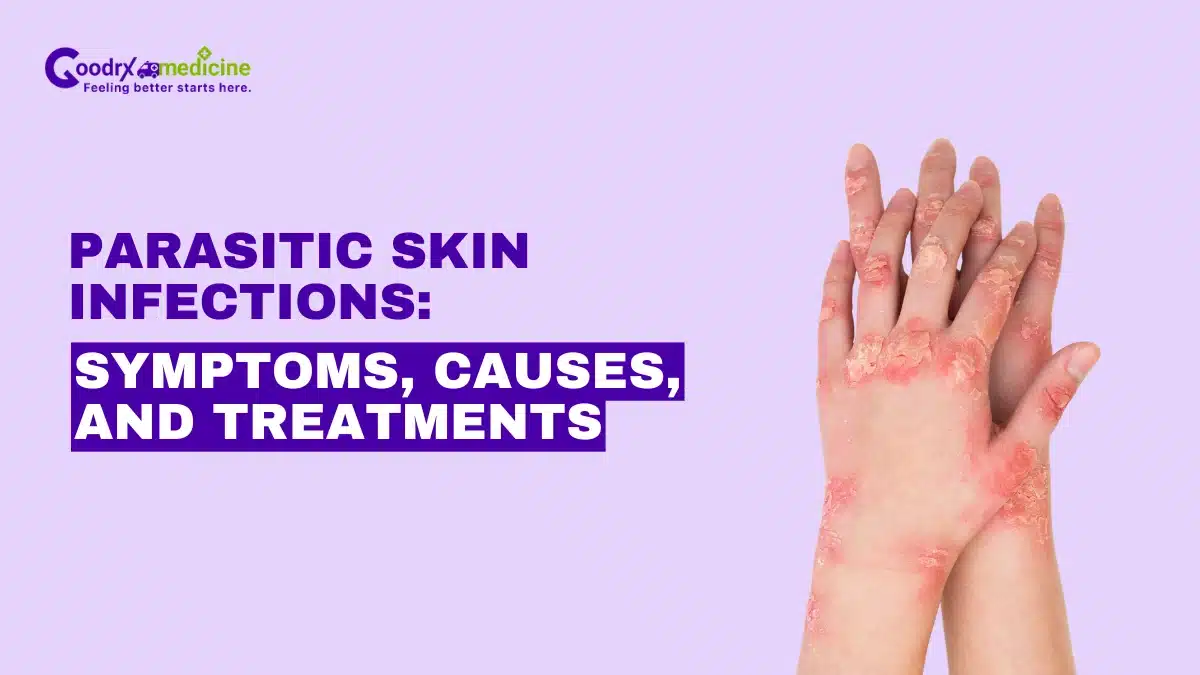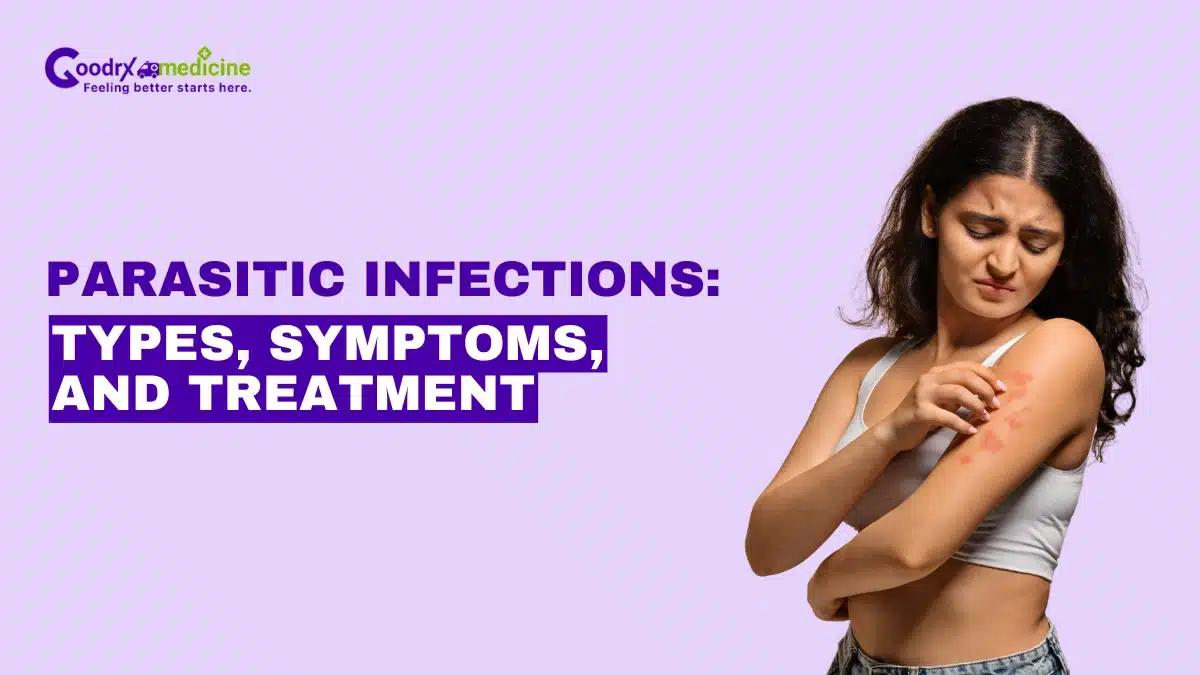






A parasitic infection occurs when organisms such as protozoa, worms, or ectoparasites live in or on the human body and rely on it to survive. Some parasites mainly affect the stomach and intestines, while others can impact the skin, blood, or nervous system. Thus, symptoms usually differ depending on the parasite involved and the affected organ system.
The most common parasitic infection symptoms in humans include gastrointestinal discomfort, skin rashes, fever, muscle aches and fatigue. Since these often resemble common bacterial or viral illnesses, they are sometimes overlooked or misdiagnosed.
Therefore, learning to identify signs of a parasitic infection is crucial for an early diagnosis. This blog lists the symptoms of parasitic infections in both adults and children, along with high-risk groups and prevention tips.
What are the symptoms of a parasitic infection?
The most common parasitic infection symptoms include digestive problems, skin reactions, unexplained fatigue and weight loss. However, signs in kids can sometimes appear as behavioral or growth-related changes instead. Here’s a brief comparison of the symptoms in adults vs children:
| Symptom Category | Adults | Children |
|---|---|---|
| Gastrointestinal | Chronic Diarrhea, bloating, nausea, abdominal pain | Stomach pain, loose stools, appetite changes |
| Energy levels | Fatigue, weakness | Irritability, reduced activity |
| Weight impact | Unintentional weight loss | Poor weight gain or slowed growth |
| Behavioral changes | Brain fog, mood shifts | Restlessness, sleep disturbances |
| Nutritional signs | Anemia, iron deficiency | Pale skin, weakness |
Based on the patient’s age, immunity, and the severity of the infection, some symptoms may be mild and temporary, while others may persist and require treatment. Several parasitic infections, such as Chagas disease and Kala-azar, are also frequently or entirely asymptomatic, especially in the early stages.
Depending on the affected organ and the type of symptoms, these can be grouped into five broad categories.
Save up to 90% on your medicine bills
Bendex 400 Tablet
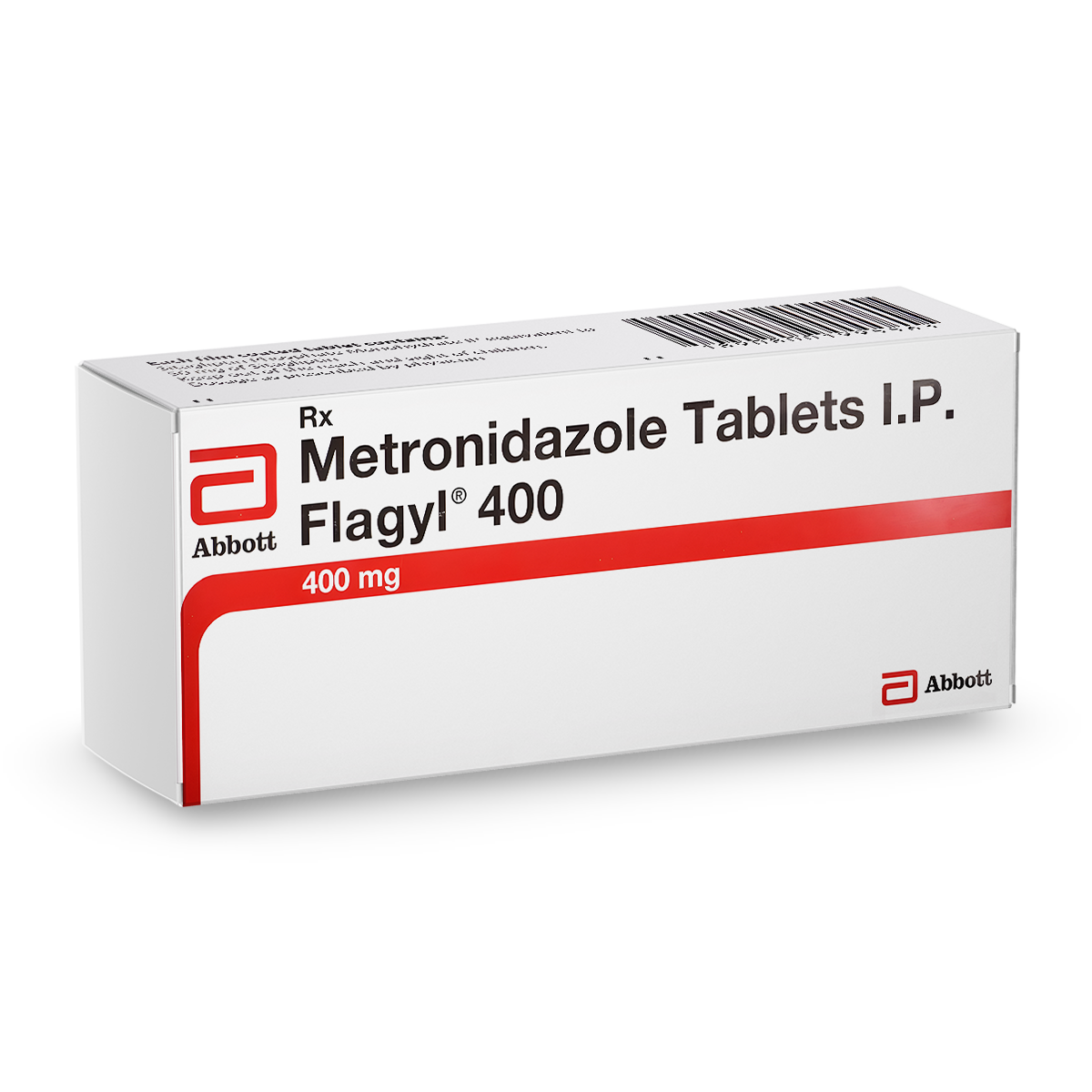
Flagyl 400 mg
Starting at just $0.07 per tabletBuy Now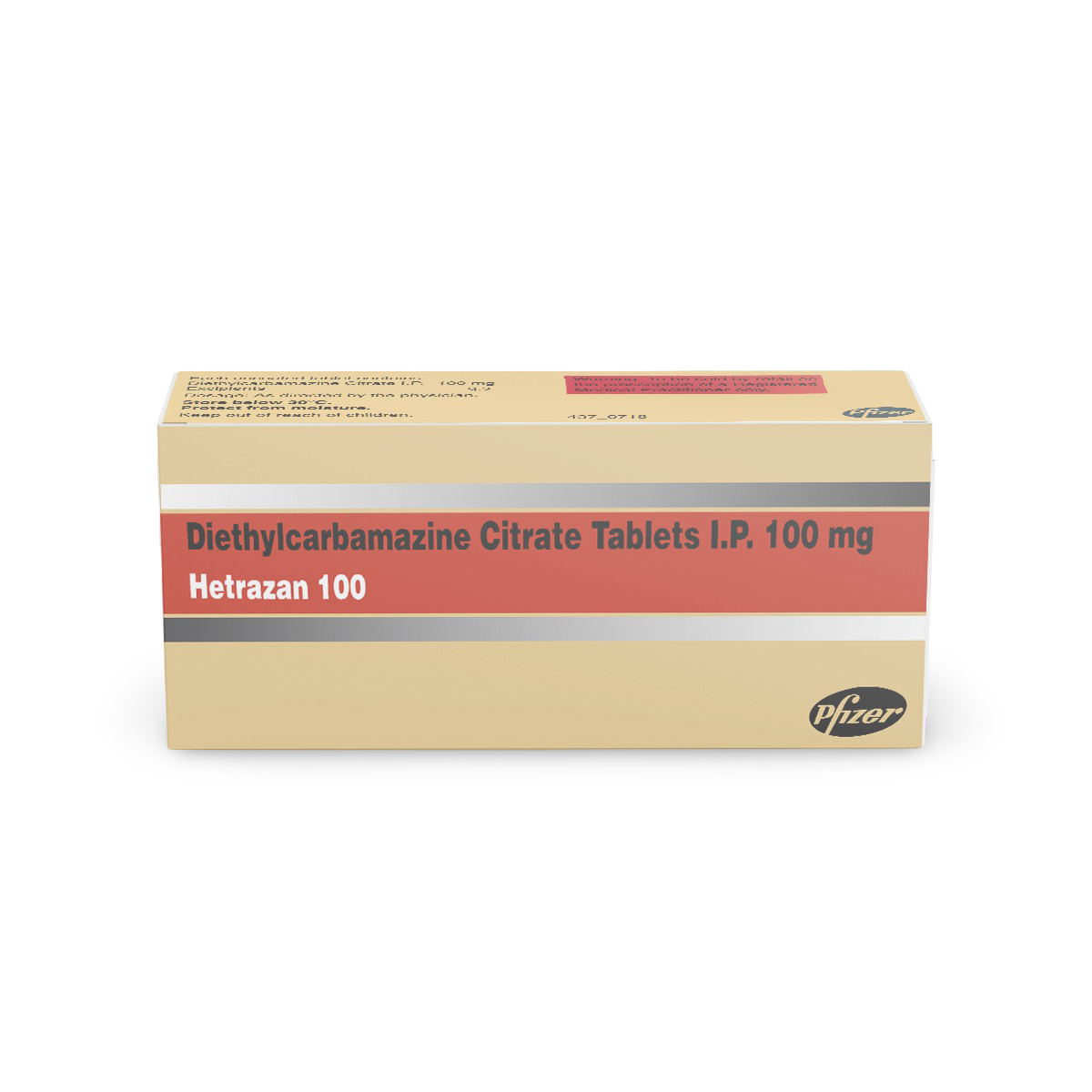
Hetrazan 100 Tablet
Starting at just $0.16 per tabletBuy Now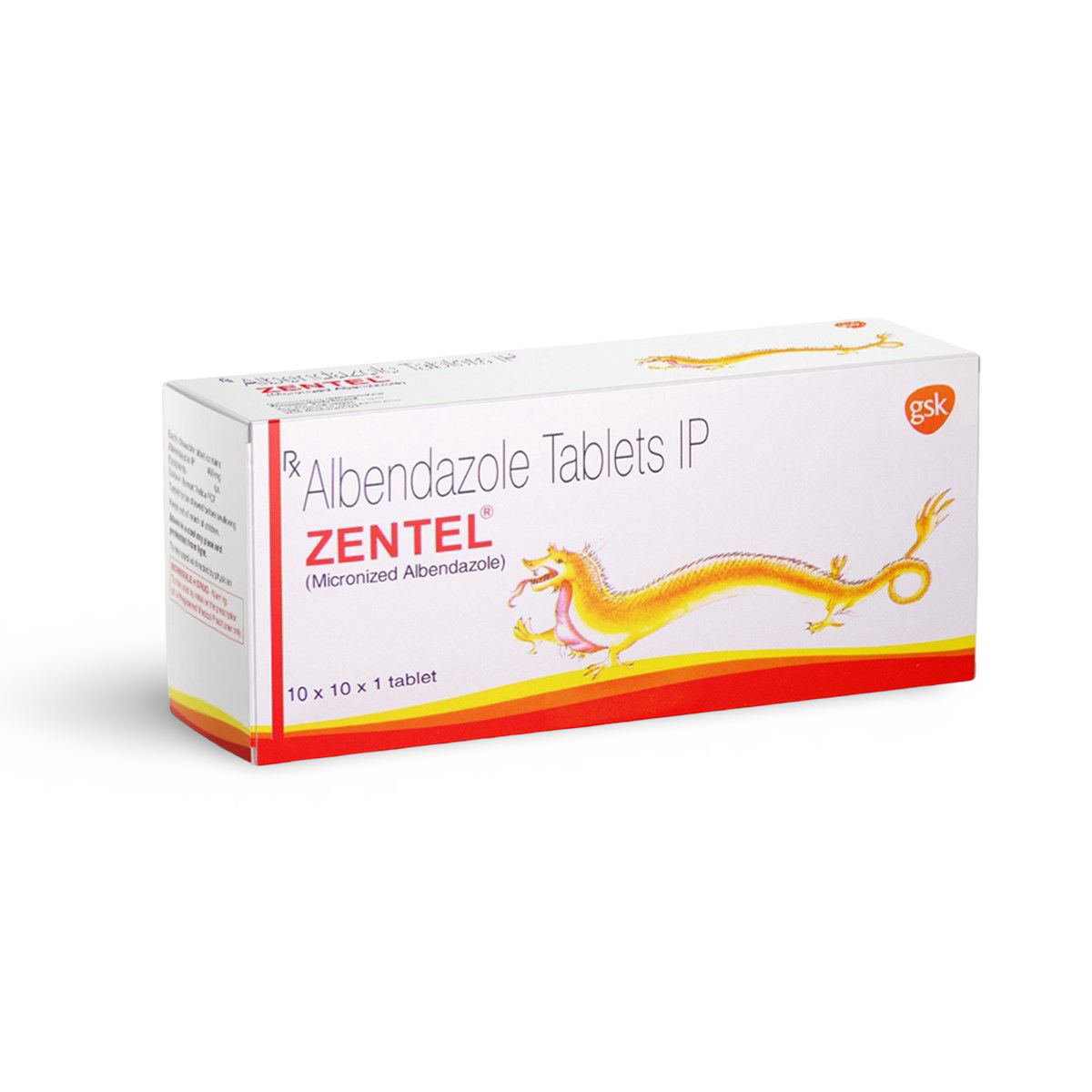
Zentel 400 mg
Starting at just $0.83 per tabletBuy Now1. Gastrointestinal symptoms
Gastrointestinal symptoms are the most common, especially in cases of intestinal parasitic infections. These include:
- Stomach cramps
- Abdominal pain
- Bloating
- Excessive gas
- Diarrhea
- Nausea
- Vomiting
- Unexplained constipation
These often resemble food poisoning, viral stomach infections or Traveler’s Diarrhea, which can delay proper diagnosis. Its evaluation typically involves stool examination to detect parasite eggs, larvae, or cysts.
2. Skin-related parasitic infection signs
Some parasites (mites, lice or larvae) affect the skin directly or trigger immune reactions that appear on the surface. These visible signs are the first indicator of a parasitic skin infection:
- Skin rashes
- Hives
- Persistent itching
- Localized redness
- Small bumps or tracks under the skin
While mild skin irritation resolves once the underlying cause is treated, itching can persist for a few weeks. In addition to physical examination, skin scrapings, biopsy, or microscopic evaluation can be performed to confirm the diagnosis.
3. Systemic effects of parasites in humans
Some parasitic infection symptoms affect the whole body rather than a single organ system. These systemic signs from parasites like Giardia lamblia and hookworms often develop gradually and can include:
- Chronic fatigue
- Muscle aches
- Unexplained weight loss
- Anemia
- Iron deficiency
You will require blood tests to check iron levels, inflammatory markers, and parasite exposure. Your doctor may also recommend further testing depending on your travel history and accordingly personalise a treatment plan.
4. Sleep-related signs and symptoms
Sleep disturbances can sometimes accompany other symptoms of parasitic infections, such as digestive discomfort or itching. A few possible sleep-related signs that you have a parasite in your body include:
- Insomnia
- Night waking patterns
- Restlessness
- Difficulty staying asleep
These often improve once underlying gastrointestinal or systemic symptoms are resolved. However, persistent sleep disruption, along with other signs, should be evaluated and treated by the concerned specialist.
5. Neurological and behavioral symptoms
Although less common, some parasitic infections can affect mood, focus, and sleep patterns. These often result indirectly from inflammation, immune responses, or nutritional deficiencies. The possible neurological and behavioral symptoms of a parasitic infection include:
- Brain fog
- Headaches
- Anxiety
- Mood swings
- Depression
- Teeth grinding
Neurological symptoms are often mild and intermittent. Your doctors will order blood tests, stool tests, or imaging studies, depending on the source of exposure.
Who’s most at risk for parasitic infections?
Certain groups are more vulnerable due to travel patterns, exposure, environment, and immune health. People with high-risk factors include:
- Travelers to endemic regions: Visiting areas where parasitic diseases are more common (low to middle-income countries) increases exposure risk, primarily through contaminated food or water.
- People living in areas with poor sanitation: Limited access to clean water and proper waste disposal increases exposure risk.
- Individuals around animals: Pets and livestock can sometimes carry parasites that can infect humans.
- People with weakened immune systems: Individuals undergoing chemotherapy, living with HIV, or taking immunosuppressive medications are typically more susceptible to severe parasitic infection symptoms. They may be more prone to lethal gastroenteritis.
- Children in daycare settings: Close contact, shared toys, and improper hygiene habits can increase the risk of transmission.
Can parasitic infections be prevented?
Yes, you can prevent many parasitic infections by practicing proper hygiene and ensuring food and water safety. The following tips help lower your risk:
- Practice hygiene: Wash your hands with soap and water every time before eating, after using the restroom, and after handling pets. Avoid swimming in contaminated water sources and always shower afterward.
- Drink safe, treated water: Use filtered, boiled, or bottled water in areas where sanitation is uncertain.
- Cook meat thoroughly: Undercooked pork, beef, and fish can transmit the parasite Toxoplasma gondii and cause Toxoplasmosis. Thus, make sure to cook it thoroughly.
- Wash fruits and vegetables properly: Rinse produce under clean running water before consumption, especially when eating raw foods.
- Maintain food safety during travel: Avoid raw foods, street food with questionable hygiene, and unpasteurized dairy, especially when traveling to high-risk regions.
- Improve sanitation and waste disposal: Proper sewage systems and clean living environments significantly reduce parasite transmission.
- Deworm pets regularly: Routine veterinary care reduces the chance of parasite transmission from animals (cats, dogs and cattle) to humans.
- Strengthen immune health: Balanced nutrition, adequate sleep, and stress management support immune defense against infections.
When to see a doctor for parasitic infections?
While many parasitic infection symptoms are mild and temporary, they do require medical testing and treatment. You should consult a doctor if you experience:
- A symptom lasting more than 5 days, especially persistent Diarrhea or vomiting.
- Signs of dehydration like dry mouth or reduced urination.
- Severe abdominal pain or cramping.
- Blood or mucus in the stool.
- Poor appetite, weight loss or slowed growth in children.
- Symptoms that begin after international travel.
Early evaluation will help confirm which parasite is causing your symptoms. Based on this diagnosis, your doctor can prescribe Tinidazole for protozoal infections, Albendazole for worms, and Ivermectin for skin infestations.
Conclusion
Parasitic infection symptoms vary widely depending on the type of parasite, the organ involved, and the patient’s age or immune system. Digestive issues like Diarrhea, stomach cramps, and bloating are the most common signs of intestinal infections. While skin irritation, headaches, Anemia and muscle aches can also occur.
Adults and children can present with parasitic infections differently. Children may show signs of irritability, poor weight gain, or sleep disturbances, while adults present with persistent fatigue or unexplained weight loss. Some of these are mild and temporary, whereas persistent or worsening signs require prompt medical evaluation.
Frequent travelers, young kids, and people with a weak immune system are at higher risk. Thus, practicing proper hygiene, avoiding contaminated food or water and limiting exposure to unsanitary conditions will help prevent exposure. Because many symptoms of a parasitic infection mimic those of viral or bacterial illnesses, consult a doctor for a proper clinical diagnosis and the most appropriate treatment regimen.

Frequently Asked Questions
How long do parasitic infection symptoms last?
Parasitic infection symptoms can last a few days in mild cases and for weeks in severe cases. These vary widely by parasite type, the organ affected, and the patient’s immune response. However, untreated infections can persist for 6 weeks or longer.
Can parasitic infections go away on their own?
No, most parasitic infections do not go away on their own and require antiparasitic medication (Albendazole or Metronidazole). In some cases, mild infections such as pinworm can resolve without treatment in healthy individuals.
How are parasitic infections diagnosed?
Parasitic infections are commonly diagnosed through stool testing to identify the organism or its eggs. In some cases, blood tests, imaging, or tissue samples will be required depending on the symptoms and suspected parasite type.
Can you test for parasites at home?
Yes, you can test for parasites at home with home testing kits. However, they are not as reliable as laboratory-based stool or blood testing. Therefore, an in-depth evaluation by a licensed healthcare professional is recommended over self-diagnosis.
What foods kill parasites naturally?
No specific food reliably kills parasites once an infection is active. While garlic, pumpkin seeds, papaya seeds, and pineapple contain compounds with antiparasitic activity, no human clinical trials have yet proven their efficacy or safety for treating parasitic infections. Once the diagnosis is confirmed, you should take antiparasitic medications as prescribed.
GoodRxMedicine only refers to credible, authoritative sources for our content. If you're curious about how we ensure the integrity of our content, we encourage you to read our Content Information Policy.

Julian Carter is a highly accomplished MBA graduate in Pharmaceutical Management, celebrated for his extensive experience and exceptional skills in the pharmaceutical industry. With a wealth of knowledge and expertise, Julian is a valuable contributor to the field and a trusted voice in pharmaceutical management.
As a contributing writer for Goodrxmedicine.com, Julian is committed to educating and empowering individuals to make informed decisions about their health. His passion for the industry is evident in his work, and his dedication to improving the lives of others through education and empowerment is truly remarkable.
With a reputation for excellence and a track record of success, Julian Carter is a respected and admired figure in pharmaceutical management. His insights and contributions to the field are highly valued, and her expertise has helped shape the direction of the industry for the better.
Through his work as a contributing writer for Goodrxmedicine.com and beyond, Julian continues to make a meaningful impact in the lives of many. His commitment to excellence and dedication to improving the health of individuals and communities around the world make him an inspiration to others in the field.