

Have you ever noticed how a few drinks can leave you unable to perform in bed, even when you’re attracted to your partner, and everything else feels fine? It’s more common than most men realize, and it’s nothing to be embarrassed about.
While moderate alcohol use (up to 2 standard drinks or less in a day for men, and up to 1 for women) may help some people relax, heavy drinking can impair consent-related decision-making. It can also affect arousal and orgasm, and can lead to sexual problems, such as whiskey dick or alcohol-induced Erectile Dysfunction (ED).
If erections have become less consistent after nights out, frequent drinking, or years of excessive alcohol usage, it is natural to question if quitting alcohol can reverse the problem. Many people see improvements in their erectile health when they cut back or quit alcohol.
This article discusses how alcohol impacts performance and whether stopping drinking can reverse your ED. It also highlights what happens if you stop drinking and what else might help if quitting alone doesn’t fully solve it.
If I stop drinking, will my ED go away?
Yes, stopping alcohol intake may improve Erectile Dysfunction symptoms, mainly if alcohol abuse is the main cause behind your ED. Alcohol-induced ED is also known as whiskey dick, where a man is so intoxicated that he cannot achieve or sustain an erection during a sexual encounter. In 1 study published in the Journal of Sexual Medicine in 2022, males with alcohol use disorder and ED, 88.5% reported improved erectile function following 3 months of abstinence (quitting alcohol).
However, recovery varies from person to person. If alcohol is the main contributor to ED, some people may notice more reliable morning erections (morning wood), stronger erections, and improved sexual desire within weeks to a few months of stopping drinking.
But quitting alcohol may not fully resolve ED when other factors, such as Diabetes, High Blood Pressure, certain medications such as antidepressants, Low Testosterone, Anxiety, or relationship issues are involved.
Save up to 90% on your medicine bills
How quitting alcohol can help with ED?
Quitting alcohol can improve ED by supporting healthier blood flow, hormone balance, nerve function, and psychological well-being. The following are ways in which quitting alcohol may help restore your erectile function if you have alcohol-induced ED:
- Improved blood flow: Erections occur when blood vessels enlarge and fill the penis with blood. Heavy alcohol consumption can disrupt this process by damaging blood vessels in the long run. Hence, reducing or stopping heavy drinking may support cardiovascular health and may improve the blood flow factors involved in erections.
- Supports nerve signaling: Alcohol works as a Central Nervous System (CNS) depressant. It adversely affects the nerves involved in the erection process, harming erectile health. Over time, abstinence may prevent further alcohol-related nerve damage and erectile difficulties in some people.
- Enhanced hormone production: Prolonged excessive drinking could reduce serum testosterone (testosterone present in blood) levels. Testosterone is a vital sex hormone that plays an important role in sexual health. Decreased testosterone levels can lead to a decline in desire and erection quality. Quitting may help restore testosterone levels, supporting sexual health. However, individual responses may vary.
- Better sleep and energy: Heavy drinking can adversely affect sleep quality, energy, and may also lead to Performance Anxiety, all of which can negatively impact sexual performance. Quitting alcohol might improve alcohol-related sleep and mood disruption, which might help with erectile function and overall sexual health.
What happens after you quit alcohol
During alcohol withdrawal, the body goes through a period of adjustment as it relearns how to function without alcohol. Common withdrawal symptoms include Anxiety, poor sleep, sweating, rapid pulse, and mood fluctuations.
These symptoms can temporarily make ED worse rather than better. Withdrawal places stress on the nervous system, while stress hormones such as cortisol may disrupt the signals needed for an erection. Poor sleep and Anxiety during this period may also temporarily affect testosterone levels, potentially worsening ED.
Acute withdrawal commonly begins within hours and often peaks over 24–72 hours. However, sleep, mood, Anxiety, and sexual function may take longer to recover. Severe withdrawal can develop later and requires urgent medical attention.
Hence, do not stop alcohol abruptly if you:
- Drink heavily every day
- Have previously experienced withdrawal seizures or delirium tremens (a severe form of withdrawal involving sudden confusion and shaking)
- Have a serious medical illness
- Use sedatives such as benzodiazepines
In these situations, speak with a doctor before stopping alcohol suddenly. Also, seek urgent medical care for seizures, hallucinations, severe confusion, fever, severe shaking, chest pain, fainting, or a very fast heartbeat after reducing or stopping alcohol.
Other measures that can help with ED
Although cutting back on alcohol may help restore your erectile function, several other measures can support the recovery process, including:
- Exercise daily: Exercise, particularly cardio, promotes the blood flow necessary for erections. Around 160 minutes of weekly physical activity for 6 months can have a significant impact over time, especially for men whose ED is linked to poor cardiovascular health. However, the appropriate activity plan depends on a person’s health and fitness level.
- Prioritize sleep: Sleep disorders, particularly Sleep Apnea, are linked to decreased testosterone levels and impaired erectile function. Having a good quality 7-9 hours of sleep every night might help improve your sexual performance.
- Manage stress and Anxiety: Performance Anxiety and general stress can cause or worsen ED, even when everything else is physically fine. Therapy, such as Cognitive Behavioral Therapy (CBT), mindfulness techniques, or simply talking openly with a partner, might reduce the mental pressure that often makes the problem worse.
- Quit smoking: Smoking, exactly like heavy drinking, causes damage to blood vessels. Quitting smoking and drinking will provide your circulatory system the highest possible chances of recovery.
- Review your medications: Certain medications, including those for blood pressure, Depression, and Anxiety, might lead to ED as a side effect. Discontinuing or changing these medications after consulting a doctor may help regain your sexual performance.
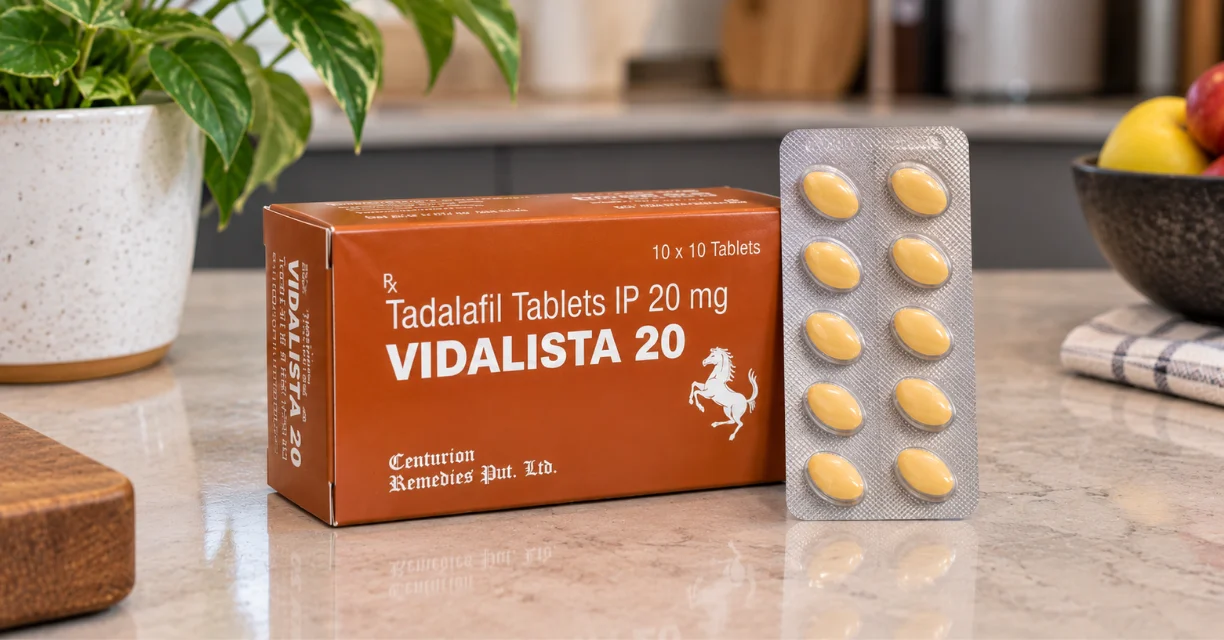
- Consider treatment options if needed: Lifestyle changes take time to show results. In the meantime, doctors may suggest oral medications, such as Sildenafil and Tadalafil, or other treatments appropriate for your specific medical needs. These are safe and effective for most men when prescribed according to the patient’s individual health needs.
When to see a doctor?
While alcohol-induced ED often goes away once you stop drinking, recovery time may vary among individuals, and hence it is essential to seek medical assistance if:
- ED persists for more than a few months, even after cutting back on alcohol or making lifestyle changes.
- ED happens consistently, not just occasionally or after drinking.
- You notice other symptoms like Low Libido, fatigue, or reduced muscle mass, which could indicate Low Testosterone.
- You have other risk factors like Diabetes, High Blood Pressure, or heart disease.
- ED is affecting your mental health, relationship, or confidence.

Conclusion
Stopping alcohol may help some men with ED, especially if heavy drinking is the primary behind your ED. However, recovery varies; some men experience improved erections, desire, and energy over several weeks to months, whereas withdrawal might temporarily impair sexual performance due to Anxiety, poor sleep, and stress.
Quitting alcohol may support improved blood flow, nerve signaling, and hormone balance, but combining it with exercise, appropriate sleep, stress management, and quitting smoking may provide additional benefits. But anyone who drinks heavily or has experienced withdrawal should not quit suddenly; monitored care may be required to avoid seizures or serious problems.
Despite quitting alcohol, it is vital to seek medical attention if your ED lasts for several months, is frequent, or occurs in conjunction with other cardiovascular risk factors.
Frequently Asked Questions
Is Erectile Dysfunction from alcohol permanent?
No, usually alcohol-related Erectile Dysfunction is not permanent. It often improves once you cut back or quit, especially if caught early. But long-term heavy drinking can cause lasting nerve or blood vessel damage, so permanence depends on how severe and prolonged the drinking history was.
Should I see a doctor before quitting alcohol for ED?
Yes, you should see a doctor before quitting alcohol for ED, especially if you drink heavily or have experienced withdrawal symptoms before. A doctor can guide you through safe withdrawal, since stopping suddenly after heavy use can cause serious complications, and can also check for other causes contributing to your Erectile Dysfunction.
Does the amount of alcohol I drink affect how severe my ED is?
Yes, the amount of alcohol you drink affects how severe your ED is. Heavier, more frequent drinking is linked to more severe and more frequent ED. Occasional or moderate drinking rarely causes lasting issues, while long-term heavy use affects blood flow, nerves, and hormones more significantly, worsening erectile function over time.
How long after quitting alcohol does Erectile Dysfunction improve?
Recovery after quitting alcohol varies. Some men notice improvement within a few weeks; research shows most men with alcohol use disorder saw better erectile function within three months of quitting. Heavier, long-term drinkers may need more time to recover fully.
Citations
GoodRxMedicine only refers to credible, authoritative sources for our content. If you're curious about how we ensure the integrity of our content, we encourage you to read our Content Information Policy.
Average rating 4.6 / 5
How useful was this post?
Click on a star to rate it!
Julian Carter is a highly accomplished MBA graduate in Pharmaceutical Management, celebrated for his extensive experience and exceptional skills in the pharmaceutical industry. With a wealth of knowledge and expertise, Julian is a valuable contributor to the field and a trusted voice in pharmaceutical management. As a contributing writer for Goodrxmedicine.com, Julian is committed to educating and empowering individuals to make informed decisions about their health. His passion for the industry is evident in his work, and his dedication to improving the lives of others through education and empowerment is truly remarkable. With a reputation for excellence and a track record of success, Julian Carter is a respected and admired figure in pharmaceutical management. His insights and contributions to the field are highly valued, and his expertise has helped shape the direction of the industry for the better. Through his work as a contributing writer for Goodrxmedicine.com and beyond, Julian continues to make a meaningful impact in the lives of many. His commitment to excellence and dedication to improving the health of individuals and communities around the world make him an inspiration to others in the field.
Learn MoreDr. James Mitchell is a board-certified physician with 18+ years of clinical experience in Sexual Medicine and Reproductive Health. He helps patients navigate intimate health concerns through medically sound guidance and compassionate, patient-centered care.
Learn More