




Oxytocin is often called the love hormone because it helps create emotional bonding, trust, and affection. Although oxytocin is very commonly linked with childbirth and breastfeeding in women, men also naturally produce this hormone. It affects relationships, social behavior, stress levels, and mental well-being. Oxytocin is naturally released during physical touch, romantic intimacy, and positive social interaction.
In men, oxytocin can help improve connection, reduce stress, and support healthy relationships. Researchers also believe it plays a role in sexual health, father-child bonding, and feelings of relaxation after intimacy. The hormone works closely with brain chemicals linked to mood and pleasure, helping men feel more emotionally connected and socially comfortable.
While more research is still needed, current findings suggest that healthy oxytocin activity can support mental health, trust, and overall well-being in men. In this article, we will study the role of oxytocin in men, its functions, symptoms of low levels, and how to manage them.
Functions of oxytocin in men
Oxytocin is a hormone as well as a neurotransmitter produced in the hypothalamus (a hormone-regulating area at the base of the brain) and released by the pituitary gland. It works as a chemical messenger in the brain and affects different mental and physical functions in the body. It is released during activities like hugging, romantic intimacy, sexual activity, positive conversations and spending more time with family and friends.
Save up to 90% on your medicine bills

Siezta 100 Mg Sildenafil Oral Strips
Starting at just $1.60 per stripBuy Now
Cenforce 200 mg
Starting at just $0.84 per tabletBuy Now
Kamagra Oral Jelly Rx 100 mg
Starting at just $13.12 per tabletBuy Now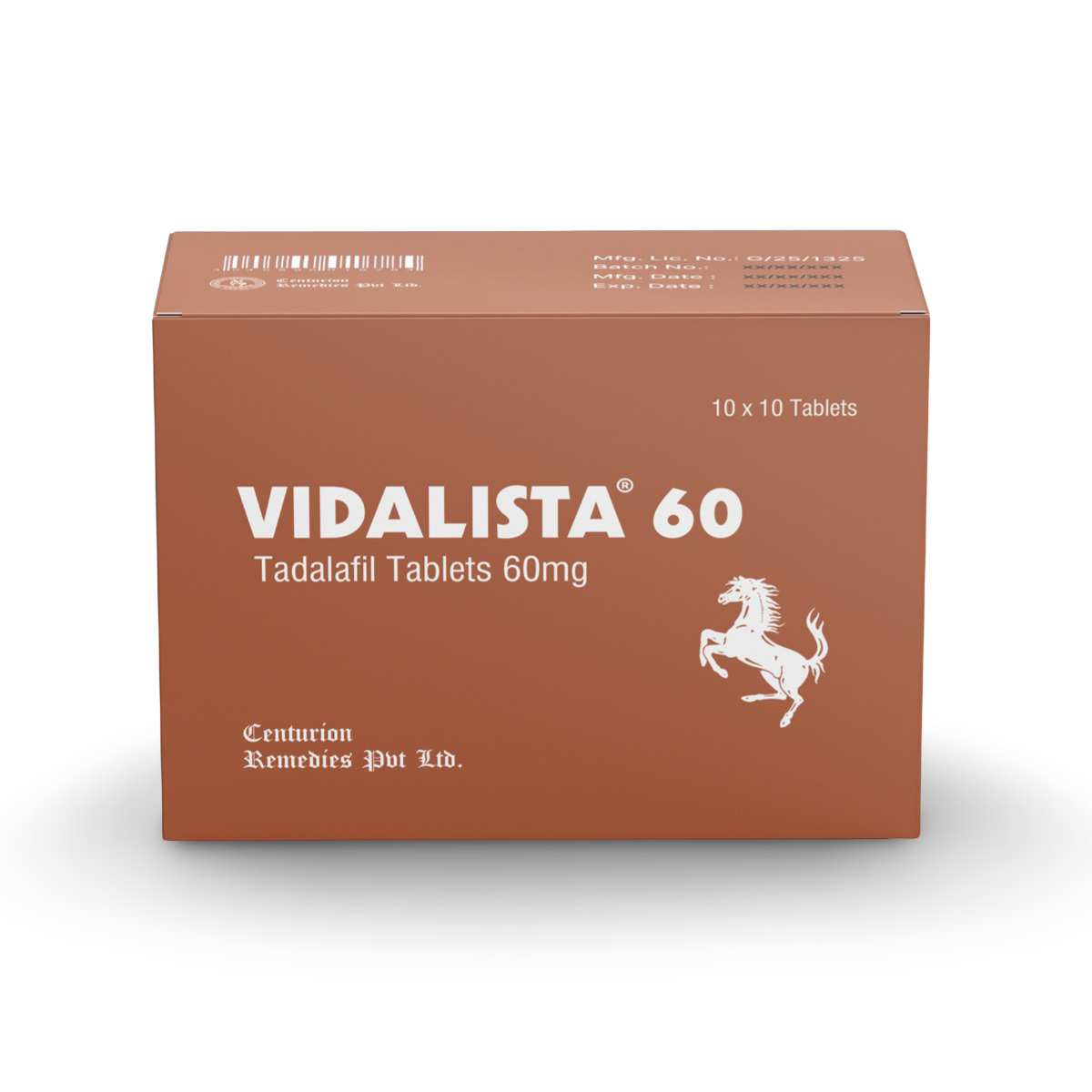
Vidalista 60 mg
Starting at just $0.91 per tabletBuy NowIt works closely with brain chemicals such as dopamine and serotonin, which influence pleasure and mood. Its functions include:
Supports emotional bonding
One of the main functions of oxytocin in men is strengthening emotional connection. The hormone helps create feelings of trust, affection, and attachment in relationships. This can help men maintain stronger bonds with romantic partners, friends, and family members.
Improves romantic and sexual intimacy
Oxytocin levels naturally increase during romantic moments, physical affection, and sexual activity. The hormone helps improve emotional intimacy and feelings of comfort between partners. This is one reason why oxytocin is strongly associated with love, bonding, and attachment.
Supports reproductive function
Oxytocin plays a role in male reproductive health by interacting with the testes and supporting local testosterone production and metabolism. It is also involved in sperm transport and ejaculation, helping coordinate important processes required for normal reproductive function.
Improves sexual intimacy
Oxytocin also helps sexual arousal, orgasm, and sexual satisfaction in men. Studies have found that the release of oxytocin affects the central nervous system, which in turn can induce erections.
Its release during intimacy can help strengthen the emotional connection between partners and create feelings of relaxation after sexual activity.
Helps reduce stress
Oxytocin can help lower stress levels by reducing the activity of cortisol, the body’s primary stress hormone. Higher oxytocin activity can help men feel calmer, more relaxed, and mentally stable during stressful situations.
Strengthens father-child bonding
Oxytocin is also important in fatherhood. Spending time with children, caring for them, and physical interaction can increase oxytocin release in fathers. This can help strengthen attachment and nurturing behavior.
Improves social interaction
Oxytocin can help men feel more socially comfortable and connected during conversations and social situations. It can also improve trust and positive social behavior in relationships. Healthy oxytocin activity may make it easier to form meaningful connections, strengthen friendships, and enhance communication with partners, family members, and colleagues.
Helps maintain a positive mood
By influencing mood-related brain chemicals like dopamine and serotonin, oxytocin can support mental well-being. Healthy oxytocin activity can help reduce feelings of loneliness and mental isolation. It can uplift mood and support good mental health.
While oxytocin supports several mental and social functions in men, low oxytocin activity can sometimes affect overall mental well-being and relationships.
Oxytocin imbalance in men
Chronic stress, depression and anxiety, poor sleep, lack of social interaction, hormonal imbalance, or isolation are some factors that can lead to low levels of oxytocin in men. Low oxytocin can affect emotional connection and mental well-being. However, there is no simple way to identify low oxytocin levels without medical evaluation. Some symptoms that can be linked with low oxytocin activity include:
- Difficulty forming emotional bonds
- Increased stress or anxiety
- Emotional distance in relationships
- Reduced social interaction
- Feelings of loneliness
High levels of oxytocin are extremely rare and usually not a major health concern in men. However, unusually high oxytocin activity can sometimes lead to excessive sensitivity, mood changes, or stronger relationship attachment responses. In most cases, the body naturally maintains balanced oxytocin levels.
Natural ways to boost oxytocin
Oxytocin levels can increase naturally through healthy mental, social, and lifestyle habits. Activities that promote relaxation, bonding, and positive interaction can help support healthy oxytocin activity in men. Maintaining strong relationships and reducing stress can also improve emotional well-being. Here is how to naturally increase oxytocin in men:
- Physical touch: Hugging, holding hands, cuddling, and other forms of physical affection like foreplay can naturally stimulate oxytocin release and strengthen bonding.
- Romantic intimacy: Spending quality time with a partner and maintaining sense of closeness can help improve oxytocin activity and relationship satisfaction.
- Social interaction: Positive conversations and spending time with loved ones can help increase feelings of trust, comfort, and connection.
- Stress management: Meditation, techniques like deep breathing, and relaxation techniques can help reduce cortisol and support healthy emotional balance.
- Proper sleep: Good sleep supports overall hormone regulation and can help maintain healthy brain function.
- Spending time with pets: Some studies suggest that interacting with pets can increase oxytocin release and promote feelings of calmness and relaxation.
- Exercise: Regular physical activity can help support hormone balance, reduce stress, and improve mood, which can indirectly support oxytocin levels.
- Spending time with pets: Interacting with pets, such as petting, playing, or simply spending time with them, can help increase oxytocin release. This can promote feelings of relaxation, reduce stress, and strengthen the sense of connection and companionship.
Medical treatment and emerging therapies
Researchers are studying oxytocin-based treatments for certain emotional, psychological, and social health conditions. In some cases, doctors can recommend medical treatment when oxytocin imbalance or related symptoms affect mental well-being and social behavior. Treatment can include:
- Mental health medications: Medicines used to treat anxiety, depression, and chronic stress can indirectly support healthy oxytocin levels by improving overall brain chemistry and emotional balance.
- Therapy and counseling: Psychological counseling and relationship therapy can also help improve emotional connection, reduce stress, and support healthy social bonding.
- Oxytocin therapy: Oxytocin nasal sprays are a potential emerging treatment and are being studied for conditions related to anxiety, stress, social interaction, and bonding. Consult a doctor before using oxytocin nasal spray for mental health purposes, as it’s typically prescribed off-label for specific therapeutic purposes under medical supervision.
Men should consider seeing a doctor if they experience ongoing emotional disconnection, severe stress, anxiety, low mood, or difficulty maintaining healthy relationships. Medical advice is necessary if these symptoms begin affecting daily life, social interaction, or sexual well-being.
Conclusion
Oxytocin plays an important role in male emotional and social health. From strengthening bonding and romantic intimacy to reducing stress and supporting father-child relationships, this “love hormone” affects several aspects of well-being in men. Healthy levels of oxytocin in men can also support mood stability and social comfort.
Factors such as chronic stress, poor sleep, anxiety, and mental isolation can sometimes affect oxytocin levels and lead to symptoms like loneliness, feelings of distance, and difficulty forming close relationships.
However, healthy lifestyle habits, positive social interaction, physical affection, exercise, and stress management can naturally help support oxytocin activity. In some cases, medical treatment or therapy can also help when symptoms begin affecting daily life and relationships.

Frequently Asked Questions
Do men only release oxytocin when in love?
No, men do not release oxytocin only when in love. The hormone is also released during physical touch, hugging, social bonding, exercise, sexual activity, positive conversations, and even while spending time with family, friends, or pets. Oxytocin mainly supports emotional connection, relaxation, and social interaction in daily life.
Does oxytocin play a role in male fertility?
Yes, oxytocin can play a role in male fertility. Researchers believe it helps in sperm transport and ejaculation by supporting muscle contractions in the reproductive system. It can also influence sexual arousal and intimacy. However, fertility mainly depends on several other factors like sperm health, hormones, and overall reproductive function.
How does oxytocin interact with testosterone in men?
Oxytocin and testosterone influence different aspects of male health but can work together in some ways. Testosterone is mainly linked with sex drive, confidence, and physical traits, while oxytocin supports bonding and emotional connection. A healthy balance between these hormones can support mental well-being, relationships, and sexual health in men.
Can oxytocin levels change with age in men?
Yes, oxytocin activity can change with age due to shifts in hormones, lifestyle, emotional health, and social relationships. Factors such as stress, loneliness, poor sleep, and reduced social interaction in later years can also influence how the hormone functions in the body.
GoodRxMedicine only refers to credible, authoritative sources for our content. If you're curious about how we ensure the integrity of our content, we encourage you to read our Content Information Policy.

Julian Carter is a highly accomplished MBA graduate in Pharmaceutical Management, celebrated for his extensive experience and exceptional skills in the pharmaceutical industry. With a wealth of knowledge and expertise, Julian is a valuable contributor to the field and a trusted voice in pharmaceutical management.
As a contributing writer for Goodrxmedicine.com, Julian is committed to educating and empowering individuals to make informed decisions about their health. His passion for the industry is evident in his work, and his dedication to improving the lives of others through education and empowerment is truly remarkable.
With a reputation for excellence and a track record of success, Julian Carter is a respected and admired figure in pharmaceutical management. His insights and contributions to the field are highly valued, and her expertise has helped shape the direction of the industry for the better.
Through his work as a contributing writer for Goodrxmedicine.com and beyond, Julian continues to make a meaningful impact in the lives of many. His commitment to excellence and dedication to improving the health of individuals and communities around the world make him an inspiration to others in the field.