



A high sex drive, or high libido, can happen for many reasons, including hormone changes, stress, boredom, or even certain daily habits. Having a strong libido is normal, but when the urges become too frequent or hard to control, it can affect your focus, distract your mind, and make it harder to manage your daily routine. Over time, it may even impact your mood, productivity, and overall mental balance.
Reducing sexual desire isn’t about shutting down your feelings. It’s about finding a balance when it becomes too much. Fortunately, there are practical, healthy, and simple ways to manage it. With lifestyle adjustments, mindfulness techniques, and better awareness of your triggers and habits, you can regain control in a calm and judgment-free way.
This guide will give you such effective strategies that you can incorporate into your daily life to reduce sexual desire.
Strategy 1: Stay active physically

Staying physically active is one of the easiest and most natural ways to reduce a high libido. When your body is busy, your mind has less space to think about sexual thoughts. Physical movement also boosts mood and focus, making you feel calmer and more in control throughout the day.
Here’s what you can do to stay active:
- Engage in 20-30 minutes of daily exercise, such as walking or jogging.
- Take a quick walk or stretch when the urge starts.
- Try active hobbies like sports, dancing, or swimming.
- Use your free time for simple chores, such as cleaning or organizing.
- Take a few deep breaths or move around when sudden arousal hits.
Strategy 2: Practice mindfulness-based techniques
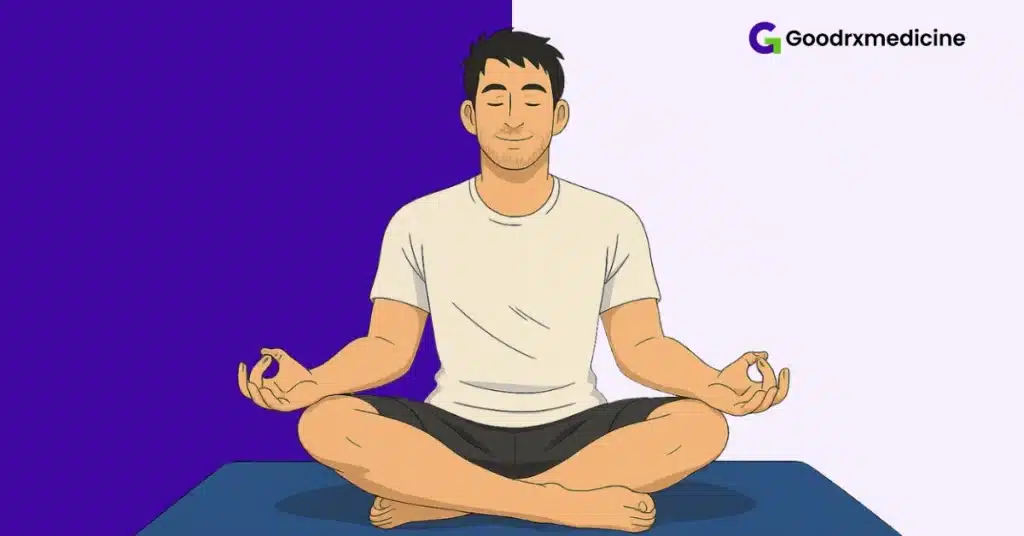
These techniques help you stay present and notice your thoughts without reacting impulsively. Recognizing sexual urges without immediately acting on them reduces stress, improves emotional control, and makes sexual thoughts less intense and frequent.
Here are some techniques that you can incorporate:
- Deep breathing: Breathe slowly and deeply through your nose and mouth to calm your mind, reduce stress, and ease sexual urges.
- Grounding (5-4-3-2-1 method): Use your senses to stay present. That is, notice five things you see, four you touch, three you hear, two you smell, one you taste. This redirects your mind from sexual thoughts to the present moment.
- Daily meditation (5-10 min): Sit quietly, focus on your breath and notice thoughts without acting on them.
- Body scan: Slowly concentrate on each part of your body, notice any tension, and relax to release the energy.
- Mindful walking: Walk slowly, paying attention to each step to stay focused and control urges.
You can practice these mindfulness techniques whenever a sexual urge appears, as they help pause automatic reactions and give your mind space to regain control.
Tip: Along with staying active, maintain a balanced diet with nutrient-rich foods like walnuts and fish. It helps with hormonal balance, stable energy, reduced inflammation, and stress relief, indirectly helping control sexual urges without directly lowering libido.
Strategy 3: Manage what triggers your urges

Sexual urges often don’t appear out of nowhere. They’re usually linked to specific situations, emotions, or sources of stimulation. When you identify and manage what sets off these feelings, you gain more control over your reactions. This helps lower unnecessary arousal, reduces impulsive behaviours, and makes it easier to stay focused on daily tasks.
Here is a short list of such trigger points and how you can manage them:
- Limit exposure to sexual content: When you see sexual images, videos, or related posts on social media, your mind gets stimulated quickly. Reduce exposure by using content blockers, unfollowing triggering accounts, and shifting your attention to another task as soon as you feel arousal building.
- Stay occupied while being solo: When you’re alone with nothing to do, your mind naturally drifts toward sexual thoughts. Keep yourself engaged with hobbies, social interactions, or productive tasks to prevent urges from building.
- Release stress in healthier ways: You may feel stronger sexual urges when you’re stressed or emotionally overwhelmed. Use healthier outlets, like exercise, meditation, deep breathing, or journaling, to release tension without relying on sexual stimulation.
- Create physical boundaries: Even simple touch, cuddling, or being close to someone you’re attracted to can heighten your desire. Set limits, avoid overly intimate situations, and step away when you feel yourself getting overstimulated.
- Plan your day to stay mentally focused: When your mind isn’t occupied, sexual thoughts can slip in and intensify. Structure your day with tasks, goals, and breaks. Timers or to-do lists can help you stay focused and reduce unwanted distractions.
Strategy 4: Keep track of your urges
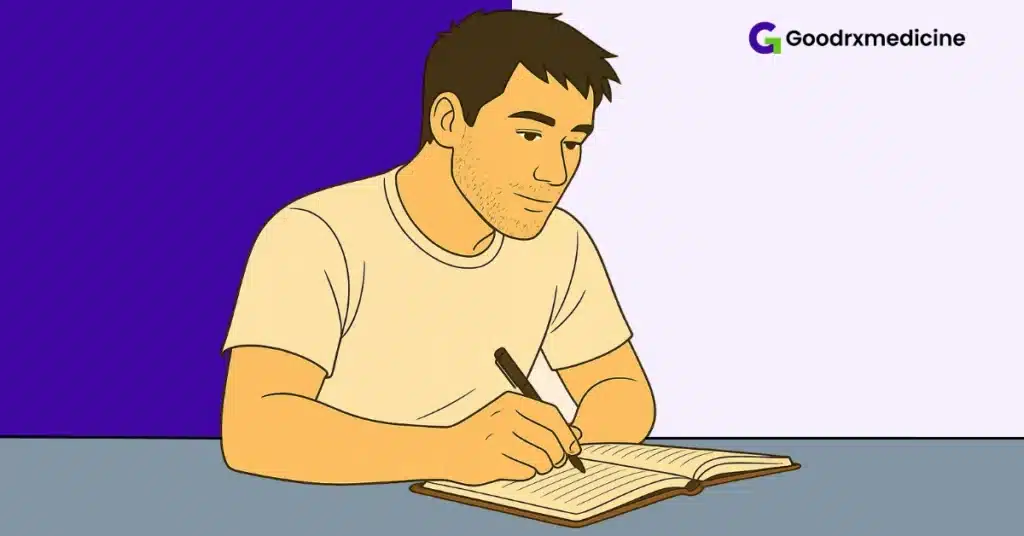
Once you understand how to identify and manage triggers, the next step is to observe how your urges show up in real-time. Keeping a track of the urges helps you see which ones affect the most and how often they repeat. When you write down about the timing pattern, what led to the desire, and how intense it felt, you start to notice patterns that you may have missed before. You can use a notes app, a journal, or even a simple spreadsheet to note down.
Here’s what you can track:
- Note the timing pattern and frequency of urges to understand when they peak and how often they repeat over time.
- Note down what aroused you. You can identify what situations, emotions, or content spark your desire.
- Rate the intensity on the scale of 1-10. This shows which urges feel mild and which feel hard for you to control.
- Add what you did next to see which coping strategies work the best. You’ll know which coping strategies are most effective in calming your urges.
- Review your notes weekly to spot patterns and adjust habits. This helps you track progress and adapt habits based on your patterns.
If you want a better understanding of your symptoms, you can take a libido quiz or sexual urge self-assessment. These tests show whether your desire levels are normal for you or possibly leaning toward Hypersexuality, that is, when you experience intense and uncontrollable sexual thoughts.
Strategy 5: Talk to a therapist
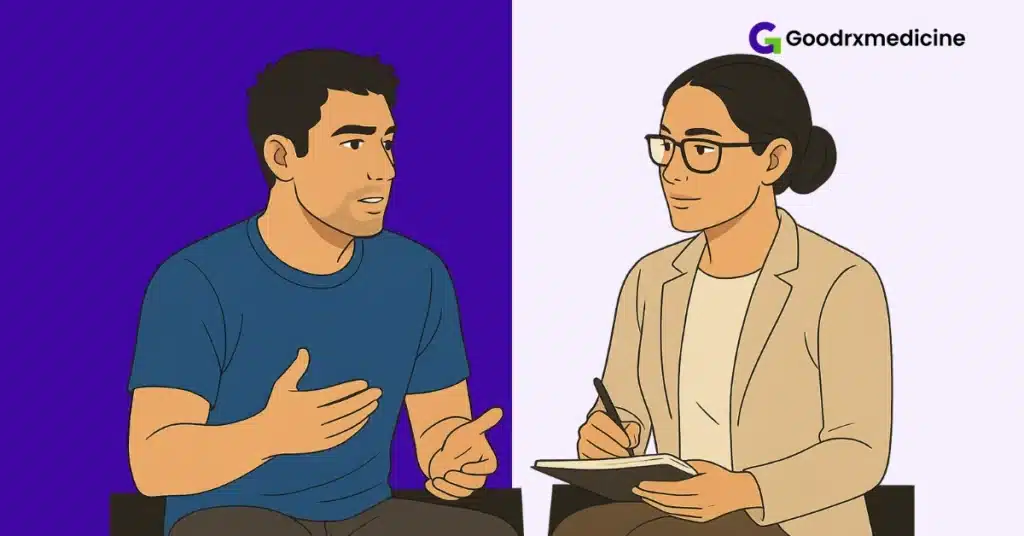
A sex therapist or psychotherapist can give you a safe, judgment-free space to talk about your sexual concerns. If your urges feel excessive, it may be a sign of Hypersexuality, also referred to as sex addiction or Compulsive Sexual Behavior (CSB). In such cases, working with a specialist can help you understand the patterns driving your behavior and teach you healthier ways to manage it.
The therapist can help you with:
- Identifying triggers: They help you recognize emotional, situational, or behavioral patterns that intensify your urges.
- Teaching coping strategies: You will learn tools such as grounding techniques and impulse control strategies, including meditation, as well as replacing harmful habits with healthier ones.
- Addressing underlying issues: Therapists explore deeper causes, such as stress, trauma, loneliness, or anxiety, that may be fueling your sexual urges.
- Reshaping thought patterns: Cognitive-behavioral therapy (CBT) helps you break repetitive sexual thinking and develop healthier mental habits.
- Building long-term control: They support you in creating structure, setting boundaries, and maintaining consistency in managing urges.
Strategy 6: Take medications if needed

If your sexual urges feel too strong to manage with lifestyle changes alone, medication may help. Doctors sometimes prescribe certain medicines to reduce libido, balance hormones, or control overwhelming sexual thoughts. Here are some medications that a doctor can prescribe:
- Selective Serotonin Reuptake Inhibitor (SSRIs, antidepressants): Medications like Fluoxetine can lower your libido and ease compulsive urges, especially if you also have Anxiety, Obsessive-compulsive Disorder (OCD), or Depression.
- Naltrexone: This medicine reduces the pleasure response to the addictive urges, helping you control CSB when it feels hard to stop.
- Mood stabilizers/antipsychotics: If you have psychiatric issues such as Bipolar Disorder, Schizophrenia, or severe mood swings, these medicines may lower your sex drive as a side effect and reduce Hypersexual symptoms.
- Anti-androgens / hormonal agents: These drugs sharply lower testosterone and sex drive but are only used in severe cases because they can cause strong side effects such as Sexual Dysfunction.
Frequently Asked Questions
Does fasting reduce sexual desire?
Yes, fasting can temporarily reduce your sexual desire because your body shifts focus to basic energy needs. When you’re low on calories, your hormones can dip slightly. But the effect varies, so you may notice a drop in libido while someone else may feel no change.
Can I take Ozempic to decrease my sexual desire?
No, you shouldn’t take Ozempic to reduce sexual desire. Ozempic is meant for Diabetes and sometimes for weight management, and not for controlling libido. While some people notice changes in appetite or mood, it’s not designed to affect sexual desire. If your urges feel overwhelming, it’s safer to speak with a doctor or therapist for proper guidance.
Can a Vasectomy affect sexual drive?
No, a Vasectomy doesn’t affect your sexual drive or libido. The procedure only blocks sperm, not hormones. Your testosterone levels, erections, and sexual desire remain the same. If you notice changes afterward, it’s usually due to stress, anxiety, or recovery, not the procedure itself.
Does weed reduce sexual desire?
Yes, weed can reduce sexual desire, but the effect depends on the dose. Low to moderate amounts may relax you, reduce anxiety, and even enhance pleasure. High doses, however, are more likely to lower your libido and cause sexual dysfunction.
When referencing outside resources, GoodrxMedicine always provides full citations. To learn more about the measures we use to maintain the quality of our content, please review our Content Information Policy.