

Porn-related ED refers to erection problems that happen mainly during partnered sexual activity, even though arousal may still feel normal in other situations, such as during sleep or while watching pornography. This pattern has become a growing topic of discussion because pornography use is common, especially among younger men.
A literature review found that more than 80% of adult men had viewed pornography at some point, and about half of men aged 25 or younger reported using it weekly. While pornography is not proven to directly cause ED, some experts believe frequent use may affect sexual response in certain individuals through psychological or behavioral factors.
This article looks at what porn-related ED is, the signs to watch for, possible causes, and the steps that may help recovery.
Can porn cause ED
No, pornography is not considered a direct or proven cause of ED. Erectile Dysfunction is often linked to aging, heart disease, Diabetes, or hormone problems. However, some physically healthy men also report erection difficulties, leading researchers to examine behavioral and psychological factors.
Most studies indicate no causal relationship between porn use and ED. Some individuals with ED can achieve erections with porn but struggle with partners, often due to performance anxiety, stress, or relationship issues.
Porn-related ED, or Porn-Induced Erectile Dysfunction (PIED), remains debated and is largely based on personal reports. It is not considered a separate medical diagnosis, and major medical reviews do not confirm porn as a direct cause of ED.
However, frequent pornography use may contribute to erection difficulties indirectly, through psychological and behavioral patterns.
Save up to 90% on your medicine bills
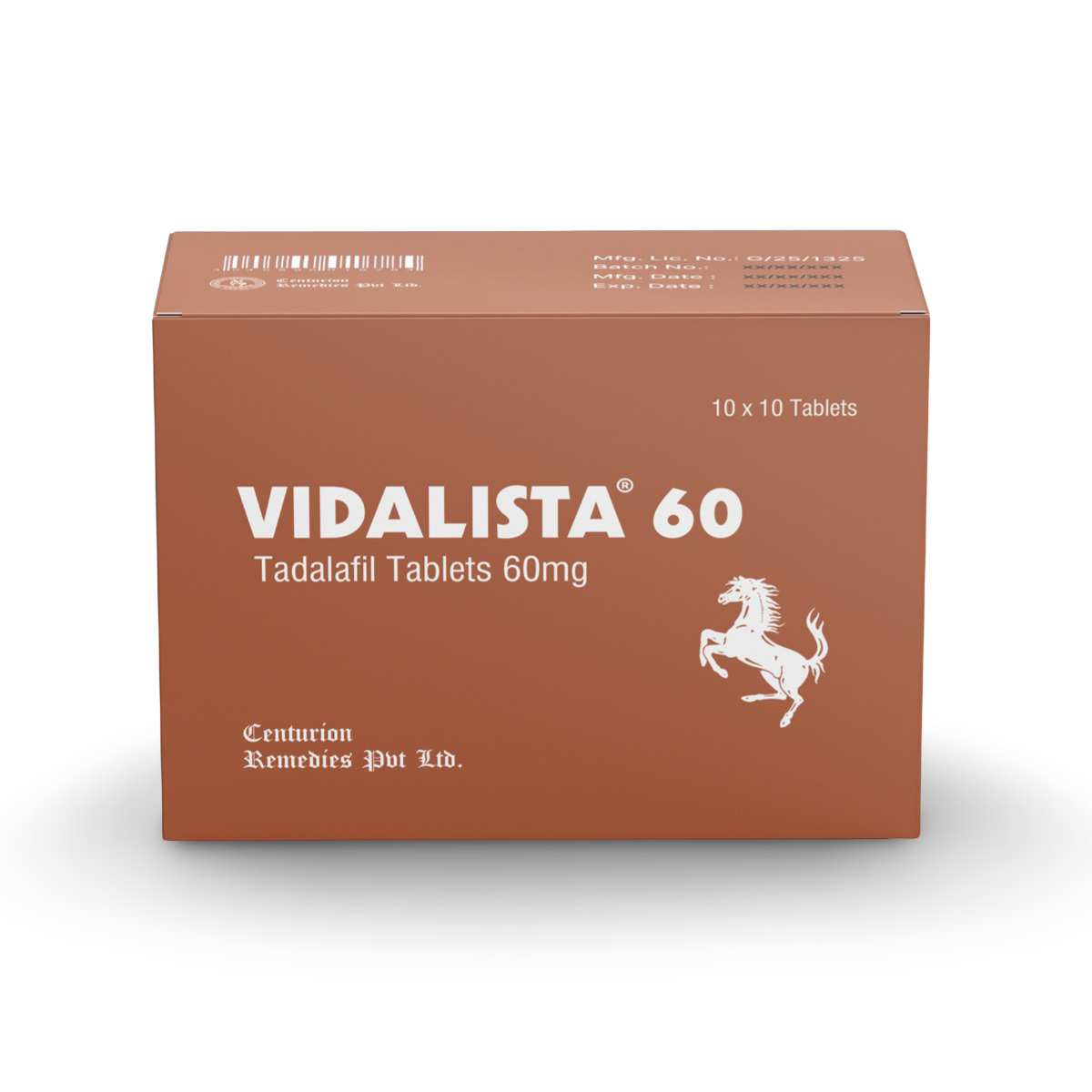
Vidalista 60 mg
Starting at just $0.91 per tabletBuy Now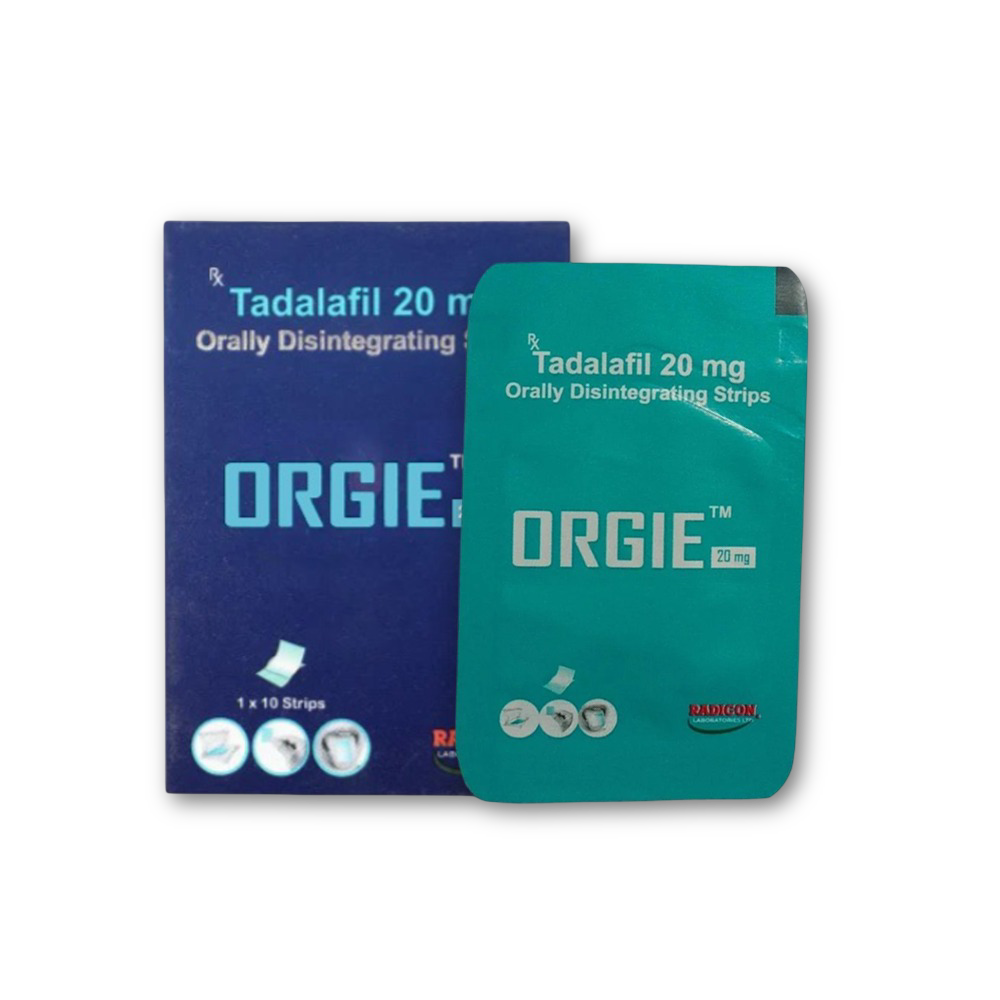
Orgie 20 Mg Tadalafil Oral Strips
Starting at just $1.67 per stripBuy Now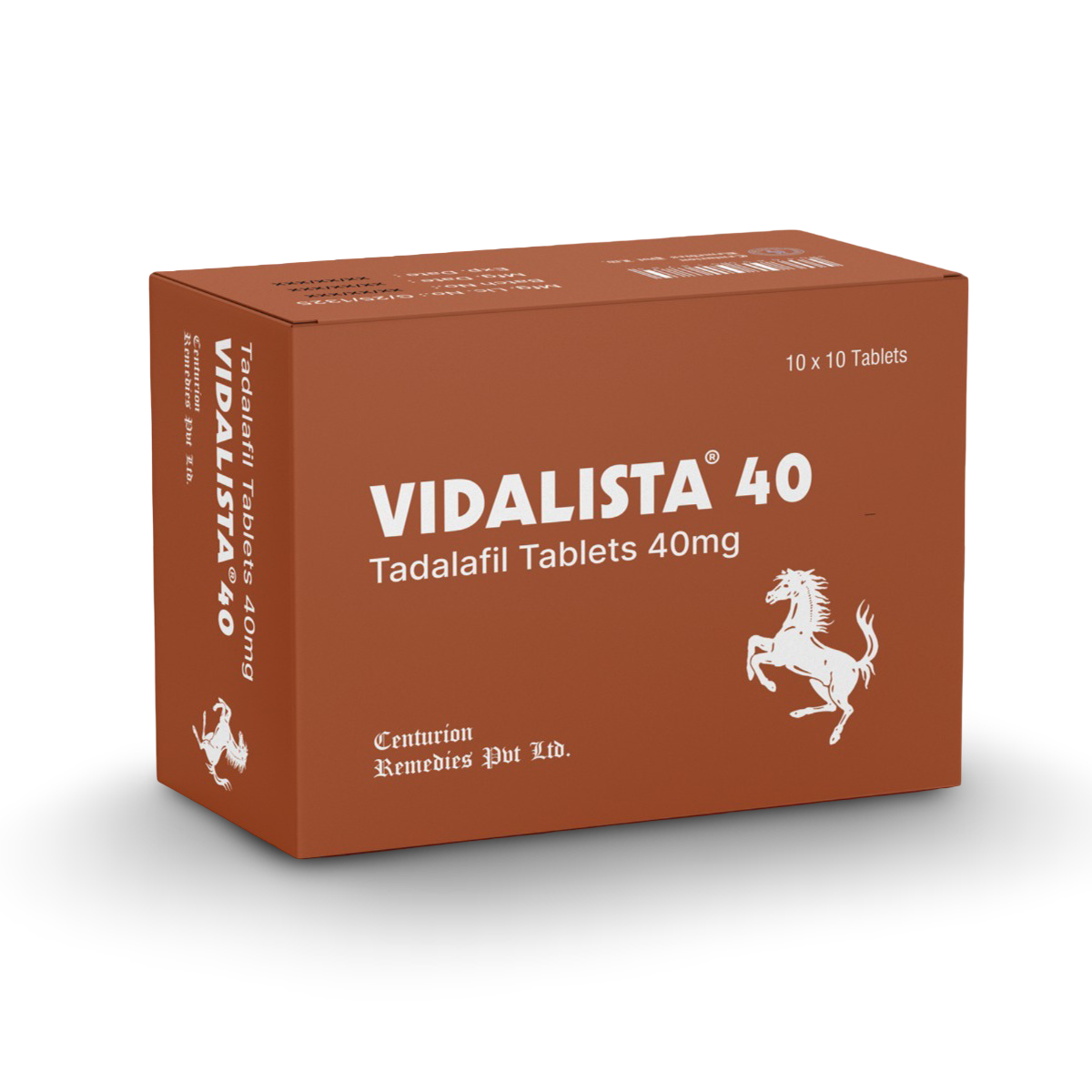
Vidalista 40 mg
Starting at just $0.85 per tabletBuy Now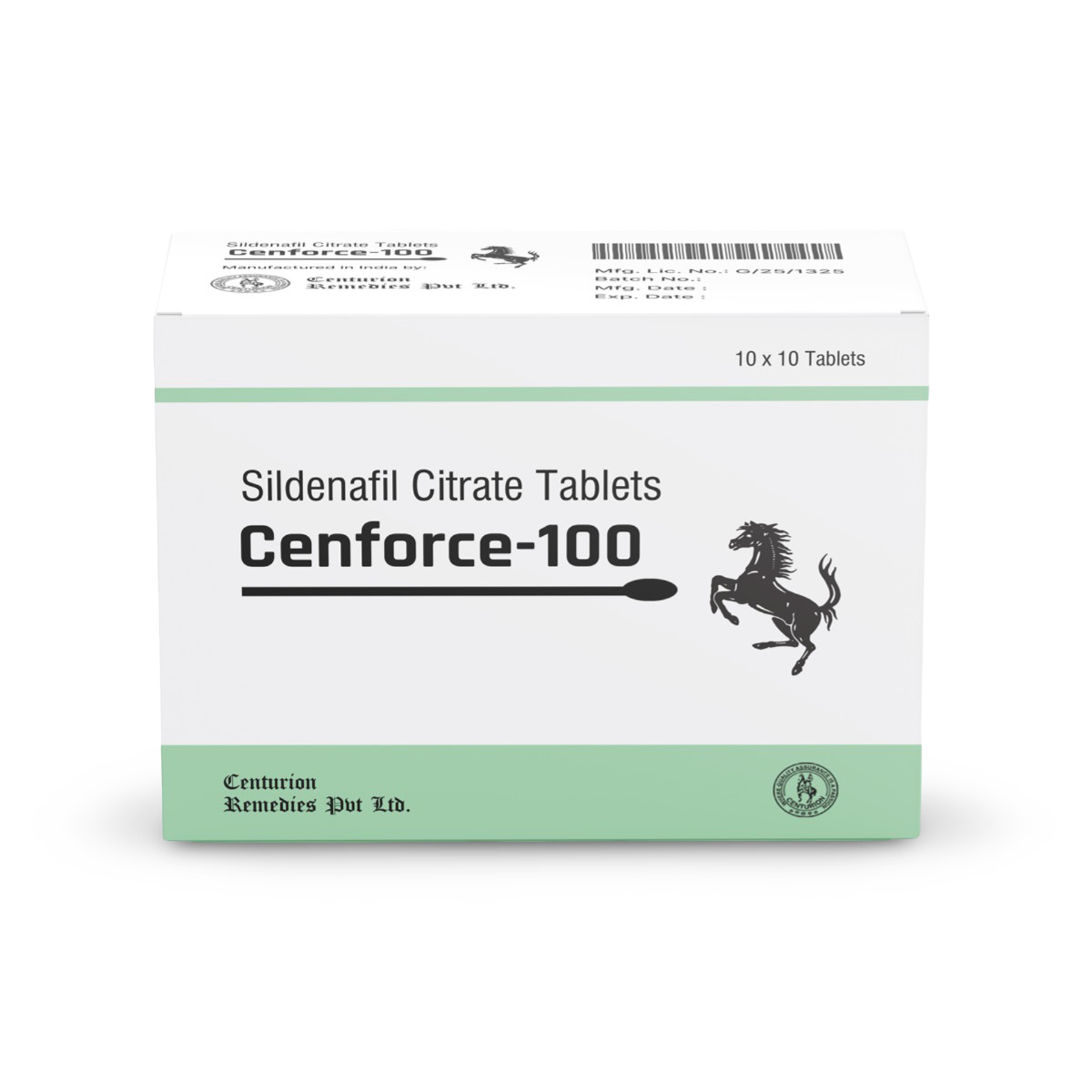
Cenforce 100 mg
Starting at just $0.65 per tabletBuy NowWhat are the signs and symptoms of porn-related ED
Porn-related ED can show some patterns that help tell it apart from other forms of Erectile Dysfunction. Common signs include:
- Difficulty getting or keeping an erection during partnered sex
- Normal spontaneous erections or morning wood (though these can decline over time)
- Strong erections during porn use
- Needing porn to feel sexually aroused
- Reduced desire for real-life intimacy
- Decreased sensitivity to physical touch
- Anxiety, frustration, or fear around sexual performance
- Delayed ejaculation or inability to climax with a partner
Symptoms usually develop gradually, without a clear onset. A common pattern is stronger erections during sleep or porn use, but difficulty during partnered sexual activity. This suggests that psychological or behavioral factors are involved rather than a clear physical problem. However, medical advice is still important if erection problems are persistent, because there can be factors such as Diabetes causing ED, and not porn.
How does porn cause ED
Porn-related erection difficulties are thought to involve psychological and behavioral patterns rather than direct physical changes in the brain. However, evidence linking pornography to ED is limited and debated.
Current research does not show porn alone causes ED; reported problems are more often linked to compulsive use, conditioning, or psychological factors. It is also important to note that porn use alone does not damage blood vessels, hormones, or penile tissue.
When difficulties occur, they are usually explained by the following psychological and behavioral mechanisms:
- Desensitization to real-life stimuli: Frequent porn use can raise the level of arousal needed for erections, making real-life situations less effective.
- Conditioned arousal patterns: The brain can link excitement to porn-specific scenarios or screens, struggling to respond to partnered intimacy without those elements.
- Need for extreme content: Over time, more intense or novel material can be needed for arousal.
- Performance Anxiety and low confidence: Unrealistic comparisons can trigger Sexual Performance Anxiety and cause psychogenic ED (erection problems driven by psychological rather than physical factors), a pattern that, when linked to pornography use, is sometimes referred to as PIED, by shifting attention from arousal to worries about sexual performance.
- Avoidance keeps the problem going: Relying on porn after experiencing difficulties with sexual activity instead of real intimacy in a relationship can increase dependence on it more and delay recovery.
Risk can increase with high-frequency use, early exposure, underlying Anxiety, and relationship issues.
It can delay the detection of underlying health issues such as hormone imbalance, cardiovascular conditions, Diabetes or medication side effects, which could require urgent medical attention.
How to treat or recover from porn-induced ED
Porn-induced Erectile Dysfunction is usually reversible. Recovery focuses on gradually restoring sensitivity to real-life intimacy and reducing conditioned responses, often via a structured reboot period.
Reduce or stop porn use
The most crucial step is limiting or stopping porn use, ideally a complete abstinence period, to lower dependence on it and retrain how arousal works. This reset helps sensitivity return to normal and weakens the link between porn and arousal.
Some people notice improvement within weeks, while others can need several months, especially after long-term or heavy use. Tracking changes in mood, spontaneous erections, and intimacy over time can help measure recovery. App-based porn blockers can also help avoid accidental exposure.
Behavioral reconditioning for arousal
Recovery improves when focus shifts from performance to connection. Helpful strategies include:
- Pressure-free touch: Spending time on physical closeness without aiming for erection or intercourse. It can be started with simple, non-sexual touch (like holding hands or massage) and gradually build comfort with intimacy, focusing on sensation and connection rather than outcomes.
- Emotional closeness and partner communication: Building trust, open communication about the recovery process, and connection support comfort and natural arousal during intimacy. Discussing this condition with a partner can reduce shame, which is a significant factor in psychogenic ED.
- Removing pressure to perform: Shifting the focus away from erections or results reduces Anxiety and helps the body respond more easily.
Allowing arousal to return naturally helps restore confidence.
Support overall health
Healthy habits support sexual function and mental well-being. They can also improve blood flow, hormone balance, energy levels, and mood, which may support recovery. Helpful habits include:
- Regular physical activity, which supports circulation and overall sexual health.
- Pelvic floor exercises, which may help improve erectile function in some men.
- Quality sleep, which helps maintain hormone balance and reduces fatigue.
- Stress reduction, which can lower anxiety that may interfere with arousal.
- Balanced nutrition, which supports energy, vascular health, and general well-being.
- Limiting alcohol and nicotine, as both can negatively affect sexual function.
Address Anxiety and compulsive habits
When Anxiety or compulsive porn use is present, counseling can play an essential role in recovery. Sex therapy and Cognitive Behavioral Therapy (CBT) help individuals understand triggers, reduce performance-related fear, and change unhelpful thought patterns.
Therapy also supports healthier coping strategies and rebuilds confidence around intimacy. Addressing Anxiety directly often improves erections by reducing the stress response that interferes with arousal.
Seek medical guidance when needed
If erection problems continue despite lifestyle and behavioral changes, medical guidance is essential. If you have no morning erections, experience sudden-onset ED, or notice symptoms like fatigue or low libido, seek medical advice promptly, as these may indicate a physical cause unrelated to pornography use.
A healthcare professional can rule out physical causes such as hormone imbalance, circulation issues, or medication side effects, which may be contributing to or underlying the erection difficulties.
They can also discuss appropriate treatment options, including ED medications (e.g., Sildenafil/Viagra or Tadalafil/Cialis), vacuum pumps, or hormone therapy, when suitable. Combining medical care with habit changes and emotional support often leads to safer, more consistent improvement.
Conclusion
Research shows that pornography by itself doesn’t directly cause ED, but certain patterns around porn use can affect how some people respond sexually. The concept of porn-related ED, or Porn-induced Erectile Dysfunction (PIED), is still debated and isn’t officially recognized as a formal diagnosis.
When symptoms do show up, they’re often more about anxiety, learned arousal habits, and trouble responding to real-life intimacy, not issues with blood flow. A common sign is being able to get strong erections with porn but struggling during partnered sexual activity.
Recovery usually involves cutting back on porn, slowly retraining responses to real-life arousal, taking care of overall health, and managing anxiety. It’s still important to get medical advice to rule out other possible causes and to choose safe, effective treatments, like ED medications if needed.

Frequently Asked Questions
Is porn-related ED common?
No, porn-related ED is not common. You can face erection problems if you watch too much porn often, but it affects only some people, around 20-30% of heavy users under 40. Cutting back on watching pornographic material and talking to a doctor can help.
How long does it take to recover from porn-related ED?
Recovery time from porn-related ED varies for every individual. Many people see early improvement within 4 to 8 weeks after stopping porn. Complete recovery can take 6 to 12 months. Healthy habits like exercise, good sleep, and stress control can help your brain heal over time.
Does porn-related ED affect only younger men?
No, porn-related ED affects men of all ages, not just younger ones. You can experience it if you watch too much porn at any age. It rewires your brain, making it hard to achieve real arousal. Studies show younger men report it more, but older individuals face it too.
Can porn-related ED occur even with a healthy relationship?
Yes, porn-related ED can happen even in a healthy relationship. You can still feel love and attraction, but frequent porn use can train your brain to expect stronger stimulation. Real-life sex can then feel less exciting, making it harder for you to stay aroused.
Is reduced libido the same as porn-induced ED?
No, reduced libido means you have less interest in sexual intimacy. Porn-induced ED means you struggle to get or keep an erection from too much porn. They are different problems, but porn overuse can sometimes cause both. You can fix porn-induced ED by stopping porn.
Can occasional porn use cause Erectile Dysfunction?
No, occasional porn use alone is unlikely to cause ED. PIED is more often linked to frequent, habitual, or escalating use over time. Individual sensitivity varies, and problems usually develop gradually rather than after limited exposure.
Can porn-related ED affect mental health?
Yes, porn-related ED can hurt your mental health. You can feel anxious, depressed, or stressed about sexual intimacy. It lowers your self-esteem and strains relationships. You might depend on porn to cope, which worsens shame and isolation. Seek help to rewire your brain and feel better.
GoodRxMedicine only refers to credible, authoritative sources for our content. If you're curious about how we ensure the integrity of our content, we encourage you to read our Content Information Policy.

Julian Carter is a highly accomplished MBA graduate in Pharmaceutical Management, celebrated for his extensive experience and exceptional skills in the pharmaceutical industry. With a wealth of knowledge and expertise, Julian is a valuable contributor to the field and a trusted voice in pharmaceutical management.
As a contributing writer for Goodrxmedicine.com, Julian is committed to educating and empowering individuals to make informed decisions about their health. His passion for the industry is evident in his work, and his dedication to improving the lives of others through education and empowerment is truly remarkable.
With a reputation for excellence and a track record of success, Julian Carter is a respected and admired figure in pharmaceutical management. His insights and contributions to the field are highly valued, and her expertise has helped shape the direction of the industry for the better.
Through his work as a contributing writer for Goodrxmedicine.com and beyond, Julian continues to make a meaningful impact in the lives of many. His commitment to excellence and dedication to improving the health of individuals and communities around the world make him an inspiration to others in the field.