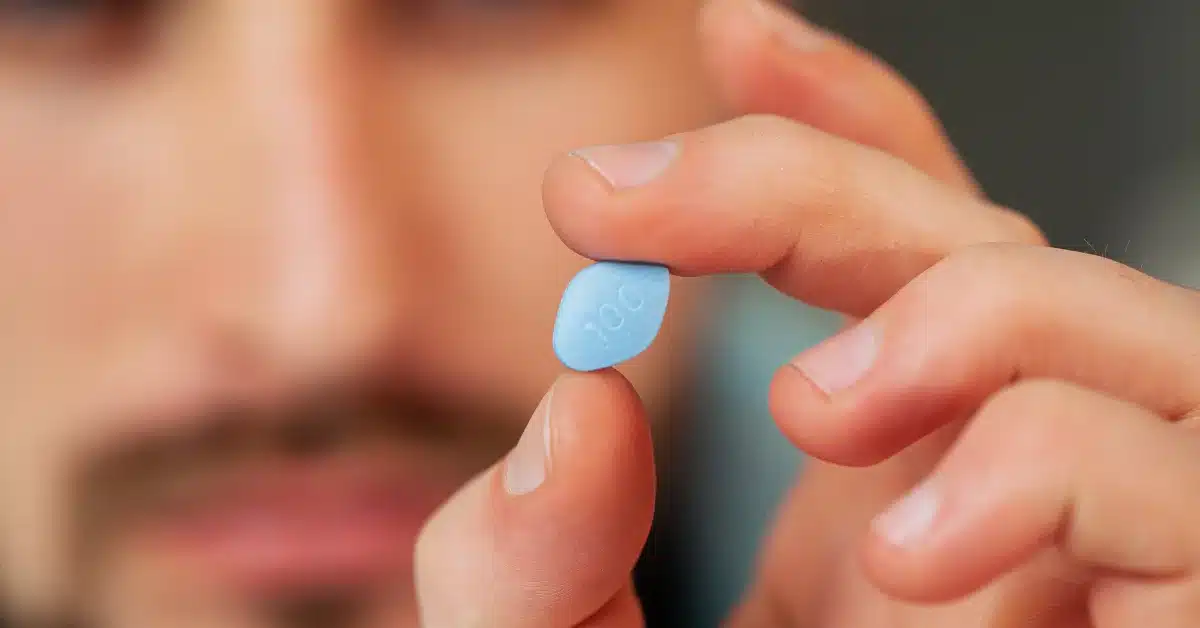






High Blood Pressure and Erectile Dysfunction (ED) are closely linked. One study found that 71% of men with High Blood Pressure (Hypertension) had some degree of ED. Over time, uncontrolled blood pressure or BP can damage blood vessels and minimize blood flow to the penis, making erections harder to get or maintain.
This concern becomes stronger because certain older blood pressure medicines, like beta-blockers and Thiazide diuretics, have been linked to erection problems. As a result, many men wonder whether Lisinopril can also affect sexual performance.
Fortunately, Lisinopril is less likely to affect sexual function than some older BP medicines. While it can temporarily affect sexual activity early in treatment, it is not strongly linked to ED. This article outlines does Lisinopril cause ED, its side effects, what to do if ED develops during treatment, and available medical ED treatment options.
Does Lisinopril cause Erectile Dysfunction in men?
No, Lisinopril does not cause Erectile Dysfunction in men. This medication is considered neutral when it comes to sexual function and does not interfere with erectile mechanisms. However, some men may notice a mild decline in sexual activity during the early stages of treatment with Lisinopril. This decline is short-lived and can occur as the body adjusts to the new medicine or its related side effects.
This temporary change should not be confused with ED. In fact, Lisinopril is an Angiotensin-Converting Enzyme (ACE) inhibitor that relaxes and widens blood vessels to reduce blood pressure. Better BP control can reduce strain on blood vessels and support healthier blood flow, which is important for erections when Hypertension contributes to ED.
Other ACE inhibitors have also not been consistently linked to ED. This is why ED during any ACE inhibitor treatment should be evaluated on the basis of BP control, overall health, and other possible ED risk factors.
Save up to 90% on your medicine bills
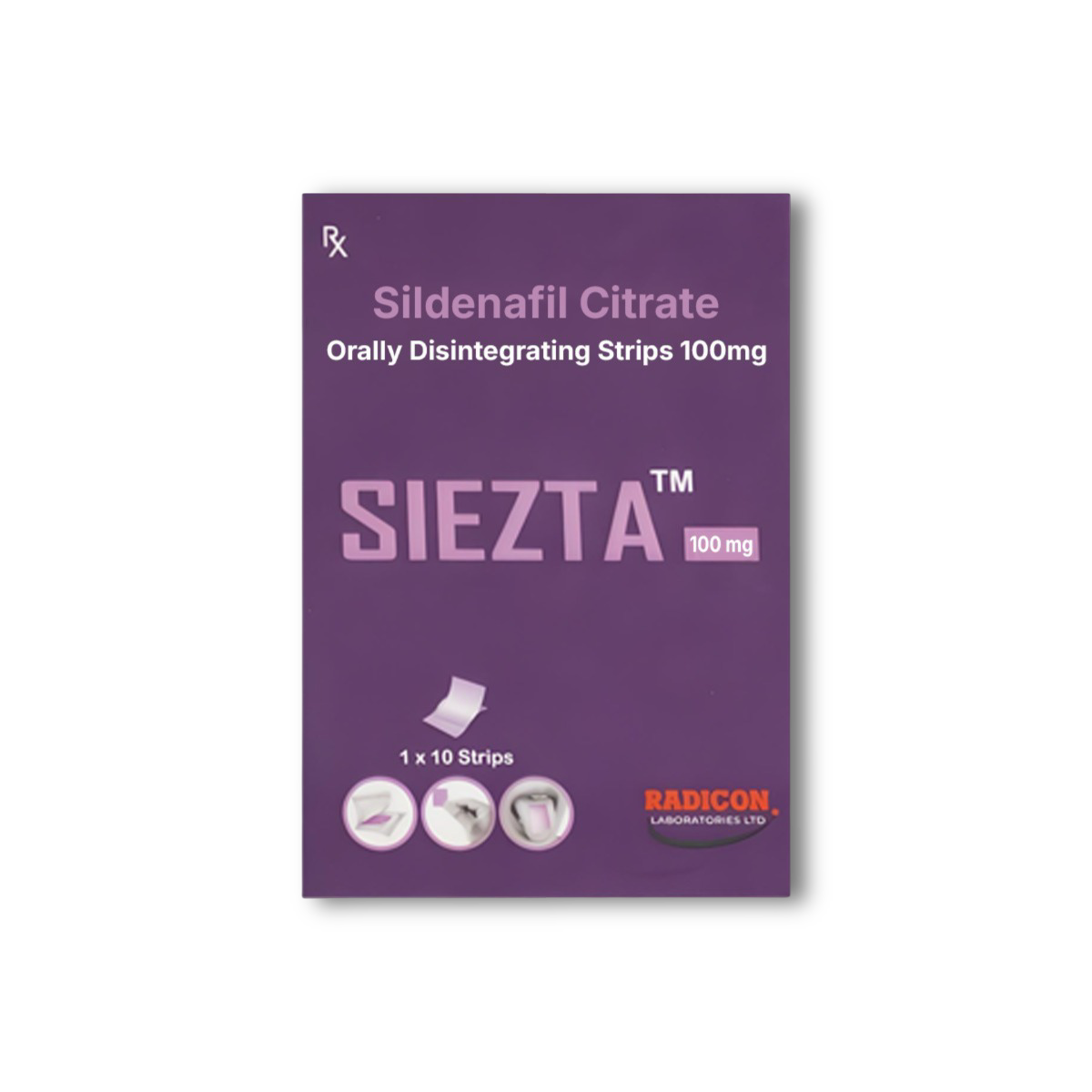
Siezta 100 Mg Sildenafil Oral Strips
Starting at just $1.60 per stripBuy Now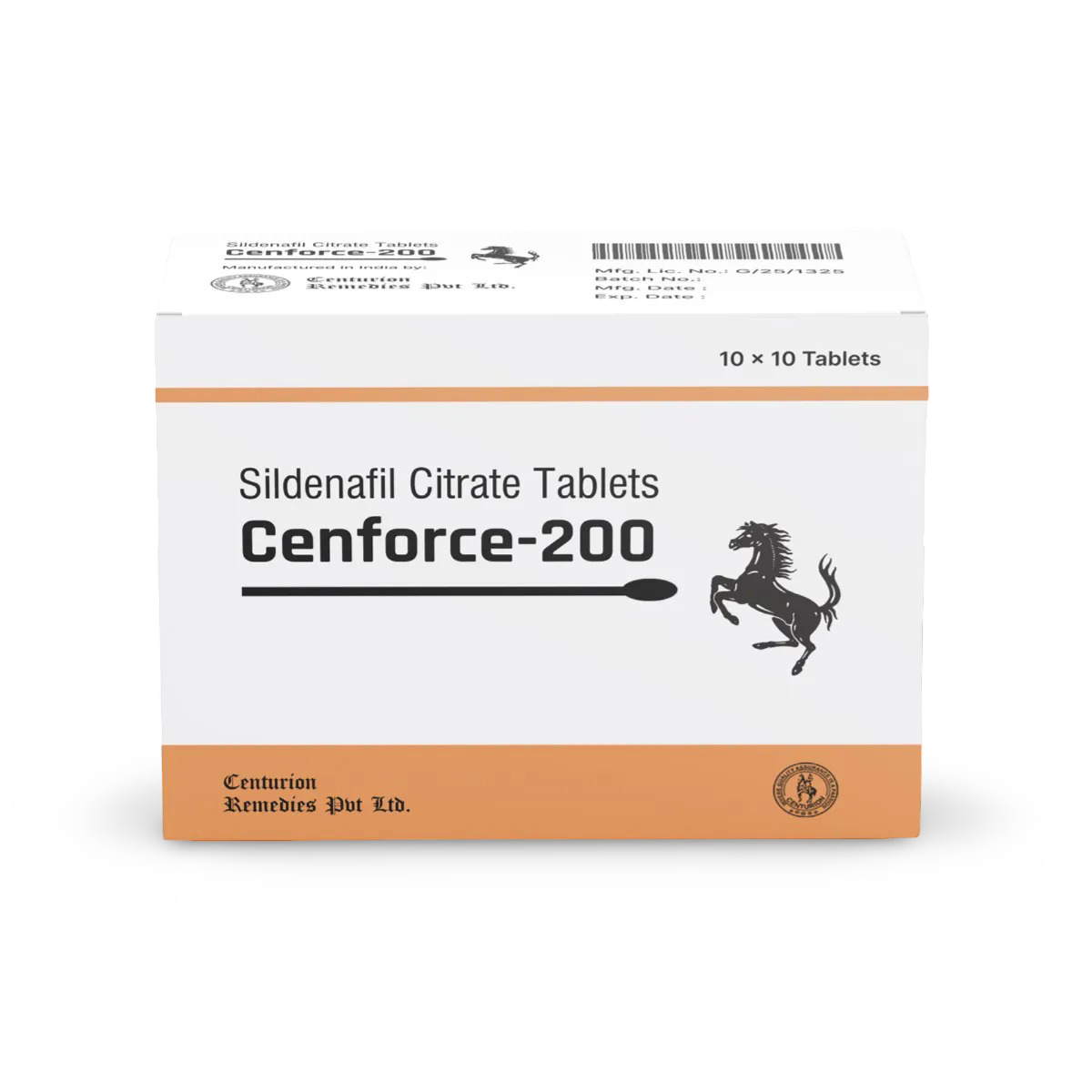
Cenforce 200 mg
Starting at just $0.84 per tabletBuy Now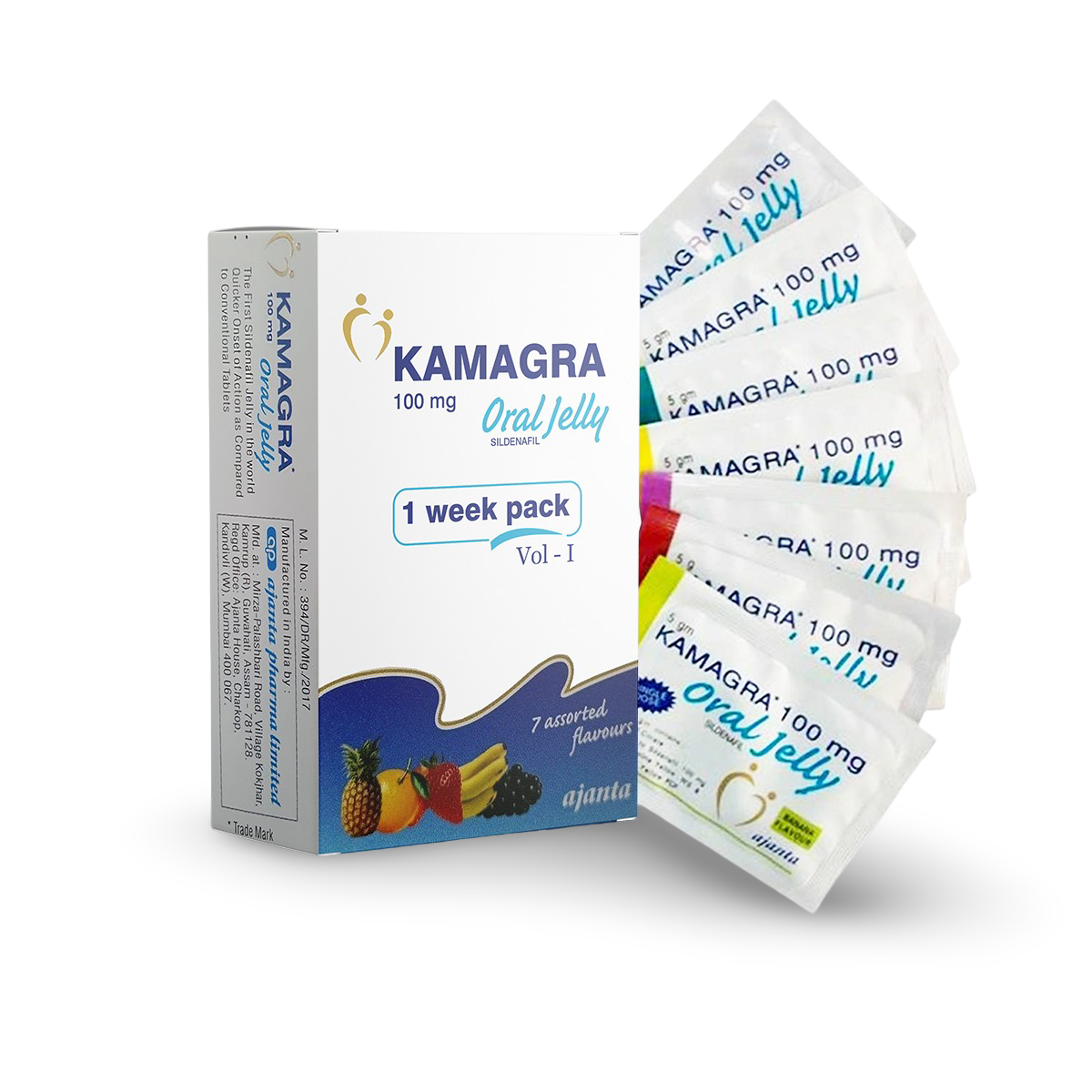
Kamagra Oral Jelly Rx 100 mg
Starting at just $13.12 per tabletBuy Now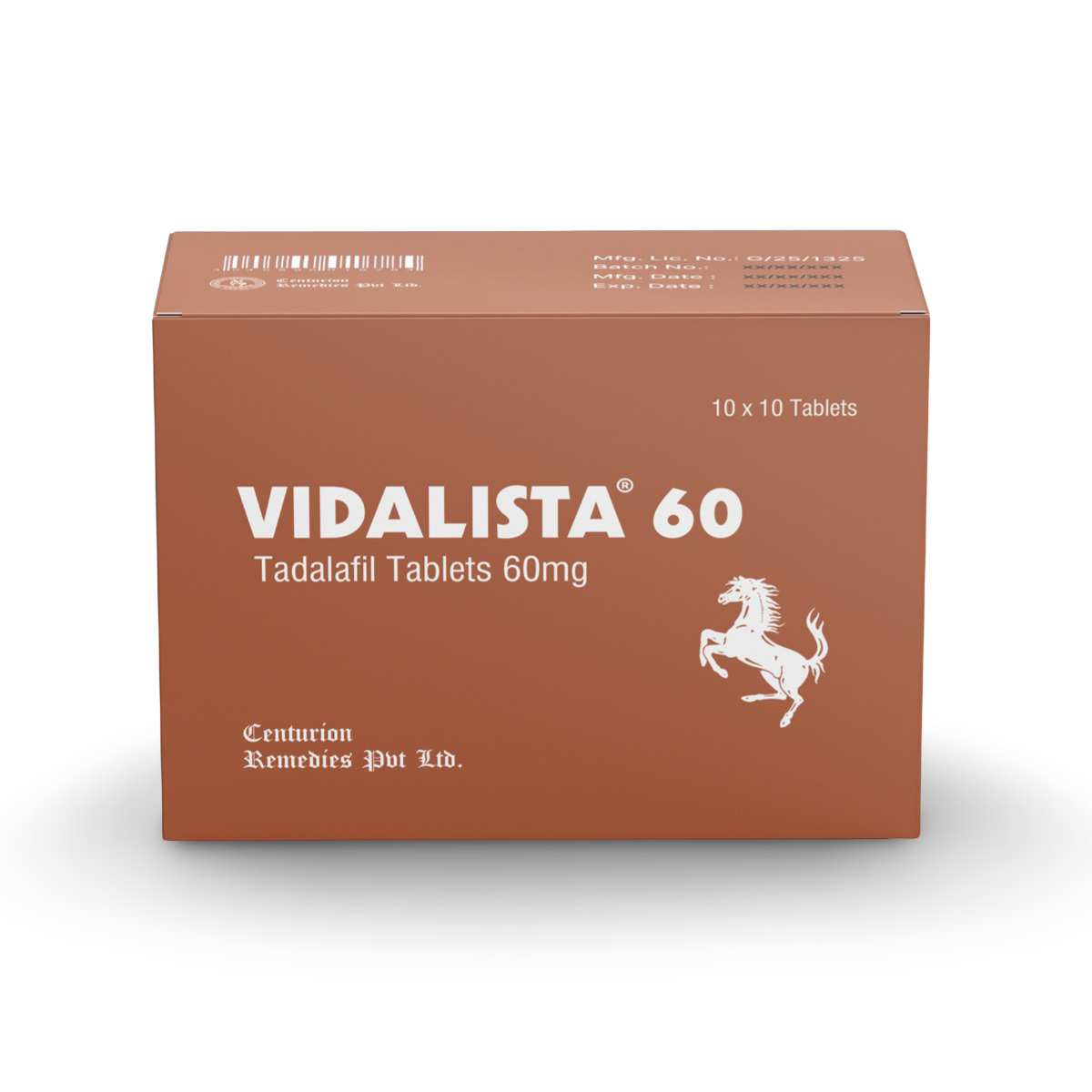
Vidalista 60 mg
Starting at just $0.91 per tabletBuy NowPotential side effects of Lisinopril
Lisinopril is unlikely to affect erectile quality in men, but, like any other medicine, it can still cause some side effects. Most of its side effects are mild and generally subside as your body adjusts to the prescribed dose. Common side effects primarily include:
- Headache
- Dry cough
- Diarrhea
- Low blood pressure (particularly with high doses)
- Fatigue
- Nausea
- An increase in potassium levels
In rare cases, Lisinopril can cause severe side effects, such as allergic reactions, angioedema, liver damage, hallucinations, and severe confusion. If you experience these effects, stop taking this medication and immediately contact a doctor for timely medical intervention.
Why might you develop ED while taking Lisinopril
ED while taking Lisinopril is generally linked to other health or lifestyle factors rather than the medicine itself. High BP can damage blood vessels and reduce penile blood flow, making it difficult to achieve or maintain erections. Since Lisinopril is prescribed for Hypertension, ED may already be related to the underlying BP problem.
Other possible ED causes include:
- Underlying health issues: Apart from Hypertension, Diabetes and Obesity, can lead to erectile difficulties by damaging nerves or blood vessels and disrupting hormonal balance.
- Significant drop in BP: Low Blood Pressure is a side effect of Lisinopril. In certain cases, BP can fall significantly when you are dehydrated or when the dose is increased. It may make it difficult to maintain adequate blood circulation for a firm erection.
- Psychological issues: A stressful lifestyle, Anxiety, or Depression can impact sexual performance directly by increasing cortisol (a stress hormone) levels, which in turn can cause fatigue and mood changes.
- Other medications: There are certain medications, such as antidepressants, older Thiazide diuretics, and antihistamines, that list ED as their side effect. If you are taking any of these, it can impact your erectile health.
- Other factors: Erection quality naturally declines with age due to physical changes like low testosterone levels and loss of nerve sensitivity. Additionally, smoking and excessive alcohol use cause erectile issues by damaging blood vessels and impairing nerve signals, respectively.
Medical treatment options for Erectile Dysfunction
Medical treatment should always be followed under strict medical supervision, especially when dealing with other health issues like Diabetes or Low Blood Pressure. For better outcomes, combine the medical approaches with lifestyle modifications, including a balanced diet and daily exercise. Medical treatment options include:
- Phosphodiesterase Type 5 (PDE-5) inhibitors: PDE-5 inhibitors, such as Sildenafil, are oral ED medicines. They block the PDE-5 enzyme, relax penile blood vessels, and improve blood flow to the penis. This helps men with mild to severe ED achieve and maintain firmer erections during sexual stimulation.
- Hormone therapy: It includes Testosterone Replacement Therapy (TRT), which is used when ED is linked to Low Testosterone levels. TRT is not a standalone treatment for severe ED, but it can improve Low Libido, mood, energy, and response to oral ED pills in some men.
- Vacuum erection devices (VEDs): VEDs are non-invasive external devices. It is cylindrical in shape and is placed over the penis. A manual or battery-operated pump creates a vacuum, drawing blood into the penis and helping produce an erection.
- Low-Intensity Shockwave Therapy (LI-SWT): LI-SWT uses low-intensity sound waves to stimulate penile tissues, improve circulation, and support the formation of new blood vessels over time.
- Platelet-Rich Plasma (PRP): PRP, also called the Priapus Shot or P-Shot, involves injecting platelet-rich plasma into the penis to support tissue repair and blood flow. However, it is not a standard ED treatment and is mainly explored in selected cases, such as ED linked to tissue damage or Peyronie’s Disease.
When to consult a doctor
If you experience persistent erectile difficulties after taking Lisinopril, do not stop taking the medicine. Sudden discontinuation can trigger a sharp rise in blood pressure and elevate the risk of severe health complications, such as a heart attack and Stroke. Instead, contact a healthcare professional in the following events:
- ED begins after starting Lisinopril and doesn’t improve within a few weeks.
- ED significantly affects sexual confidence, relationships, or quality of life.
- Symptoms such as chest pain, dizziness, or shortness of breath occur.
- BP remains high despite taking Lisinopril as prescribed.
- There are other possible ED risk factors, such as Diabetes, Obesity, or stress.

Conclusion
Lisinopril does not cause ED and is less likely to affect sexual function than older BP medicines like beta-blockers. In some cases, a decline in sexual activity can be observed as the body gets used to new medication and associated side effects. These common side effects include headache, low blood pressure, and fatigue.
If ED develops during treatment, it is more likely due to uncontrolled BP, Diabetes, stress, Obesity, smoking, or other medicines. Medical treatment methods of ED include PDE-5 inhibitors, physical devices like VED, hormonal therapy, including TRT for managing Low T, LI-SWT that uses sound waves, and PRP.
If you experience consistent erectile issues, avoid discontinuing Lisinopril and first consult a doctor. Medical consultation becomes necessary when ED affects sexual confidence or overall life quality, is followed by symptoms like chest pain or dizziness, or your BP remains uncontrolled despite taking Lisinopril accurately.
Frequently Asked Questions
How common is Erectile Dysfunction with Lisinopril?
Erectile Dysfunction is not commonly linked with Lisinopril. ACE inhibitors are generally considered neutral for sexual function. If ED develops or worsens during High Blood Pressure treatment, it is more likely due to other causes like Obesity, smoking, Diabetes, stress, High or Low Blood Pressure, and certain medications.
Are there blood pressure medications less likely to cause ED?
Yes, certain blood pressure medications, such as ACE inhibitors like Lisinopril, Calcium Channel Blockers (CCBs), and Angiotensin II Receptor Blockers (ARBs) like Losartan, are less likely to cause ED. On the other hand, Thiazide diuretics and beta-blockers are more commonly linked with erectile issues. Consult a doctor if you want to change the medication.
Can Erectile Dysfunction from Lisinopril be reversed?
Yes, Erectile Dysfunction that occurs while taking Lisinopril can often be reversed, especially when it is linked to Hypertension, stress, Obesity, Diabetes, Low Testosterone, smoking, alcohol, or other medicines. Since Lisinopril is not a common cause of ED, consult a doctor for evaluation and do not stop it without medical approval.
Can I take Viagra if I’m taking Lisinopril?
Yes, you can generally take Viagra with Lisinopril, but only after your doctor approves it. Studies have not reported any significant adverse effects when taking them together. But both medicines can lower your blood pressure, and the combination can cause overlapping effects. Therefore, consult a doctor and take it under strict medical supervision.
GoodRxMedicine only refers to credible, authoritative sources for our content. If you're curious about how we ensure the integrity of our content, we encourage you to read our Content Information Policy.

Julian Carter is a highly accomplished MBA graduate in Pharmaceutical Management, celebrated for his extensive experience and exceptional skills in the pharmaceutical industry. With a wealth of knowledge and expertise, Julian is a valuable contributor to the field and a trusted voice in pharmaceutical management.
As a contributing writer for Goodrxmedicine.com, Julian is committed to educating and empowering individuals to make informed decisions about their health. His passion for the industry is evident in his work, and his dedication to improving the lives of others through education and empowerment is truly remarkable.
With a reputation for excellence and a track record of success, Julian Carter is a respected and admired figure in pharmaceutical management. His insights and contributions to the field are highly valued, and her expertise has helped shape the direction of the industry for the better.
Through his work as a contributing writer for Goodrxmedicine.com and beyond, Julian continues to make a meaningful impact in the lives of many. His commitment to excellence and dedication to improving the health of individuals and communities around the world make him an inspiration to others in the field.