




Viagra contains Sildenafil, an FDA-approved Phosphodiesterase Type 5 (PDE5) inhibitor used to treat Erectile Dysfunction (ED) and Pulmonary Arterial Hypertension (PAH). It relaxes blood vessels and increases blood flow to the penis and the lungs.
Because blood flow is important during exercise, Viagra has also been discussed in sports performance. In 2020, former NFL player Chad Johnson publicly said he took it before every game, which pushed the topic of Viagra for athletes into wider public discussion. However, current evidence does not show consistent performance benefits in healthy athletes.
Neither doctors prescribe Viagra for athletic performance, nor do sports authorities support its routine use in training or competition. This article explains why some athletes use Viagra, what current evidence says about performance, and what health risks should be considered.
Why is Viagra used by athletes
Sildenafil inhibits the PDE5 enzyme, relaxing blood vessel walls and improving circulation. Because of this effect, it has been explored in endurance and high-altitude sports for its potential to help muscles get more oxygen during exercise. However, it is not recommended for athletic use.
Save up to 90% on your medicine bills

Cenforce 100 mg

Cenforce 200 mg
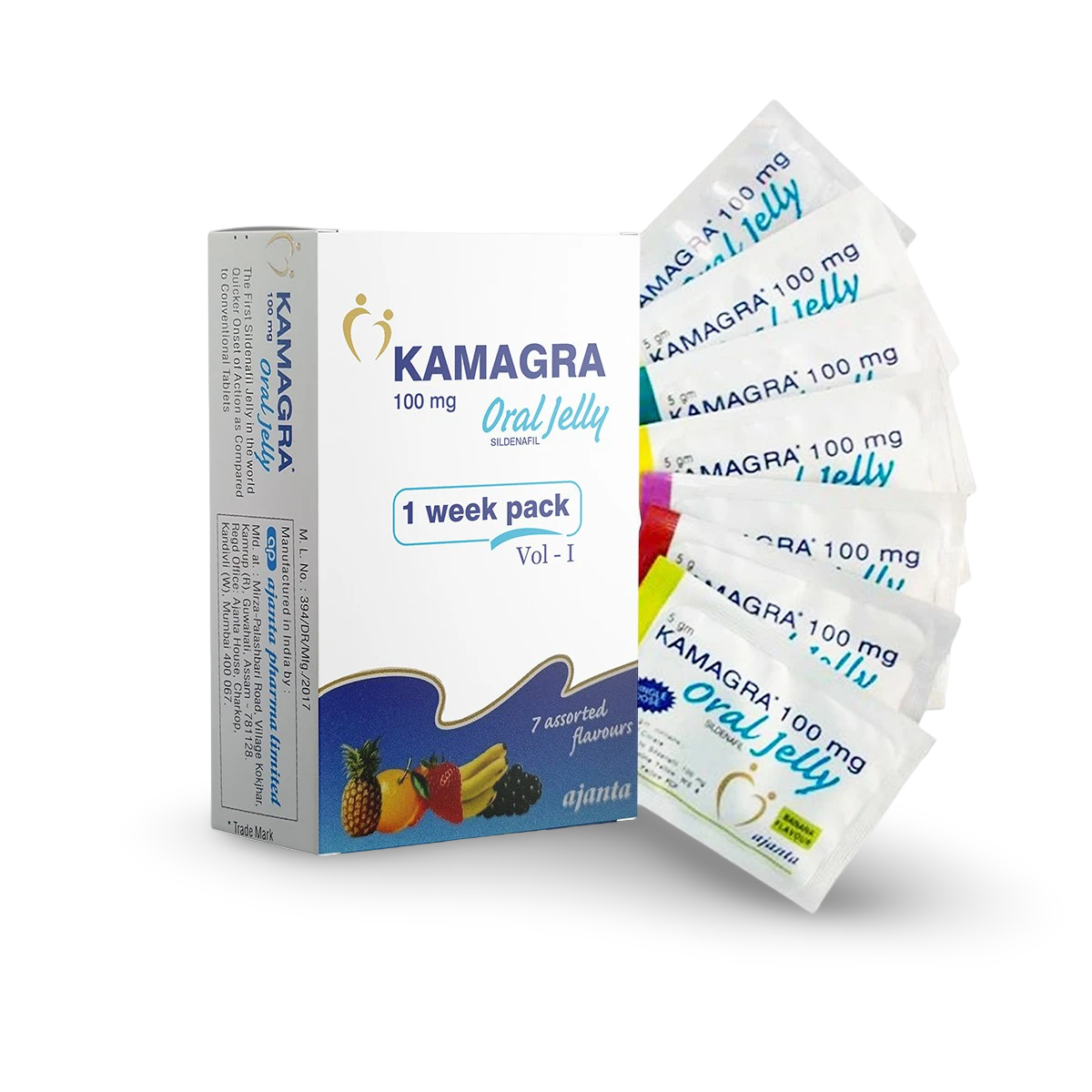
Kamagra Oral Jelly Rx 100 mg
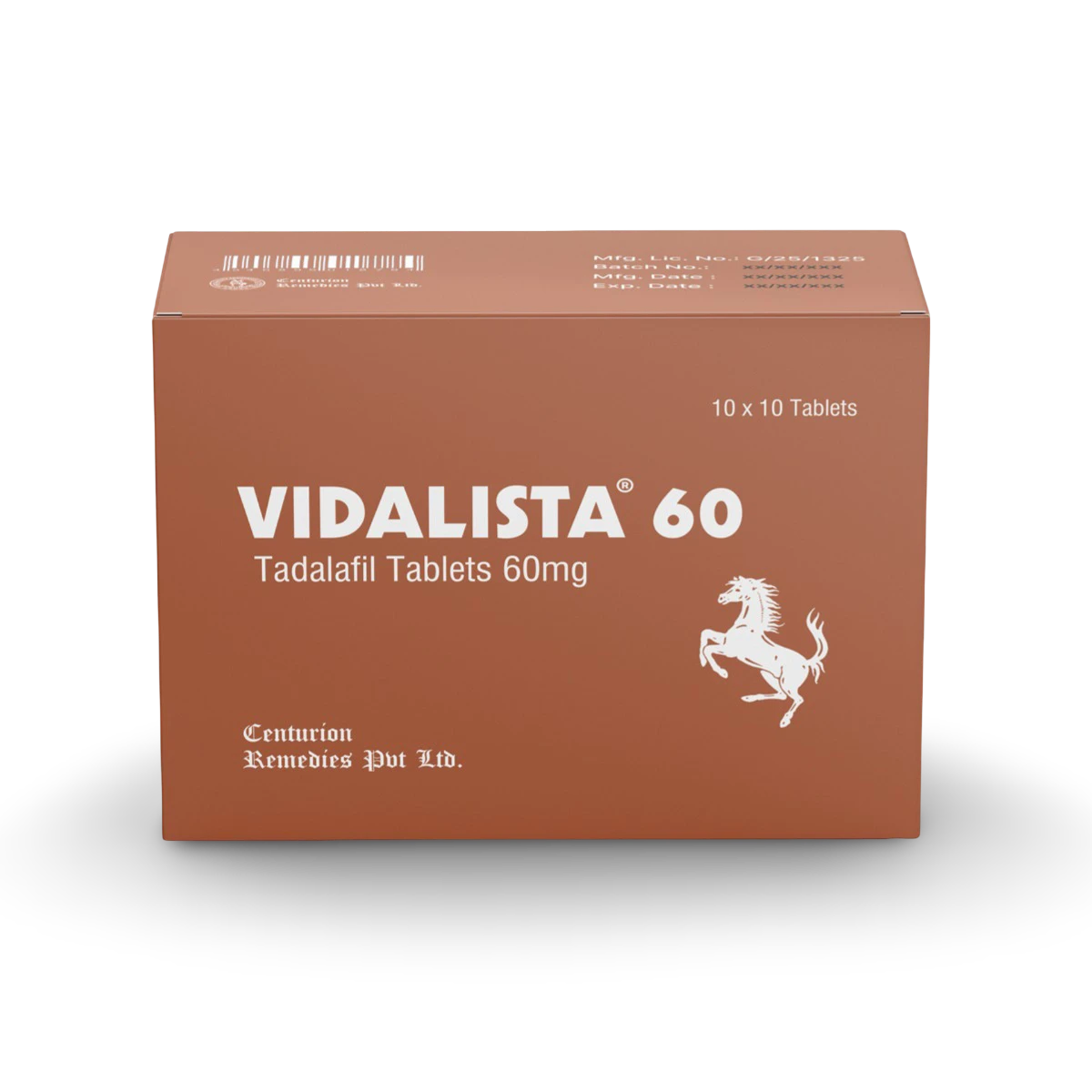
Vidalista 60 mg
Effect on blood flow and oxygen delivery
Sildenafil widens blood vessels, helping more oxygen reach the muscles during exercise. That is part of why some athletes use Viagra, hoping it will improve stamina or endurance.
However, performance depends on many things, including heart and lung function, fitness level, and how well the muscles use oxygen. In healthy, trained athletes at normal elevations, Viagra usually does not lead to meaningful improvements in stamina, strength, or endurance.
Use in high-altitude conditions
Sildenafil receives more attention in high-altitude training because lower oxygen levels place extra stress on the lungs and circulation. Since Sildenafil is approved for PAH, a condition characterized by high pressure in the lung’s blood vessels, some athletes view it as a possible aid in low-oxygen environments.
Small trials have examined this use, but the results remain inconsistent. Some participants showed small changes in performance, while others showed no benefit or developed side effects. These findings do not support routine Viagra use in healthy athletes, even at altitude.
Non-medical and recreational use
Some athletes use Viagra without a medical reason. This often happens through word of mouth in sports settings or through the assumption that greater circulation automatically leads to better training results.
Expectations can also affect how exercise feels. A person can feel that effort is easier after taking a substance, even when actual performance does not improve. Feeling like exercise is easier does not mean performance has actually improved.
Does Viagra improve athletic performance
Current evidence does not support Viagra as a reliable performance-enhancing medication. Most controlled studies show no meaningful improvement in stamina, strength, or endurance in healthy athletes training at normal altitudes.
A 2019 PLOS ONE study found no meaningful improvement in time to exhaustion or peak power output among trained cyclists and runners using Sildenafil. At sea level, trained muscles already regulate blood flow well enough to meet oxygen demands during exercise, which means Sildenafil has little extra work to do.
At high altitude, lower oxygen levels put more pressure on the lungs and can reduce how much oxygen the body takes in. At simulated high altitude, some individuals show improved cycling performance, while others show no benefit. At elevations similar to most competitive sporting environments, performance does not improve in any meaningful way.
Overall, Viagra has not shown clear or reliable benefits for athletic performance at normal altitudes. At high altitudes, it can help a small number of people, but results are mixed, and it is not recommended for routine training or competition.
Risks of Viagra for athletes
Viagra can raise safety concerns when it is used without a medical reason, especially during exercise. These include common side effects, exercise-related risks, possible medication interactions, and concerns about wrong dosing or fake tablets.
Common side effects
Sildenafil commonly causes:
- Headache
- Facial flushing
- Nasal congestion
- Dizziness
- Visual disturbances
During training or competition, these side effects of Viagra can affect balance, concentration, and hydration. Heat and prolonged physical effort can make them worse.
Risks during exercise
Sildenafil lowers blood pressure by relaxing blood vessel walls, whereas exercise increases cardiac output (the amount of blood the heart pumps per minute) and heart rate. When both occur together, this combination can lead to:
- Sudden drops in blood pressure
- Dizziness or fainting
- Reduced physical stability
- Increased cardiovascular strain
The risk becomes more serious in athletes with an undiagnosed heart condition, which may not be obvious before use.
Medication and supplement interactions
As Sildenafil affects blood pressure and how blood vessels work, the risk of adverse effects increases when combined with other substances, particularly during exercise.
Key Sildenafil interactions include:
- Nitrates
- Blood pressure medications
- Alpha-blockers
- Stimulants such as caffeine-based pre-workouts
- Anti-inflammatory medications that affect circulation
Athletes using multiple substances at the same time face a higher risk of unstable blood pressure and cardiovascular complications, making medical supervision essential.
Incorrect dosing and counterfeit medication
Viagra is a prescription medicine and should only be used with a doctor’s advice. When used for performance, athletes can buy it from unverified sources, increasing the risk of incorrect dosing and missed safety checks.
Fake Viagra is also a concern; tablets from untrusted sources can contain the wrong dose, ingredients or unsafe substances, and their safety cannot be guaranteed.
Viagra is not banned in sports by the World Anti-Doping Agency (WADA), but that does not make non-medical use safe. It should only be used when a doctor prescribes it for a condition such as ED.
Safer options for athletic performance
Genuine athletic performance improvement does not require prescription medication. It improves through structured training, recovery, and nutrition, not medication.
Training and recovery
Athletic performance depends on the body’s ability to adapt to repeated physical stress. This adaptation does not come from substances that temporarily alter physiology, but from consistent training and structured recovery:
- Structured periodization (alternating high-intensity workout blocks and recovery phases) builds endurance, power, and sport-specific conditioning more effectively than any medication or supplement.
- Zone 2 cardio training, which is steady, low-to-moderate intensity exercise, helps the body use oxygen more efficiently and burn energy more effectively, improving endurance over time.
- Strength training that gradually increases weight or intensity over time helps build muscle, improve joint stability, and reduce the risk of injury across different sports.
- Sleep of 8 to 10 hours per night supports growth hormone release, helps repair and rebuild muscles, and improves mental focus and recovery, all of which directly affect training quality.
- Active recovery through low-intensity movement, foam rolling, and cold-water immersion can reduce soreness and improve readiness between sessions.
Nutrition
Nutritional strategy determines energy availability, muscle recovery, and adaptation between training sessions. Proper macronutrient intake and hydration support consistent performance and measurable gains that supplements cannot replace:
- Carbohydrate periodization, which means adjusting intake based on training demand, helps support fuel availability and body composition goals.
- Protein intake of 1.6 to 2.2 grams per kilogram of body weight per day supports muscle repair and adaptation. Splitting this across meals, with 30 to 40 grams per serving, supports muscle protein synthesis more effectively than consuming most protein in one or two meals.
- Intra-workout carbohydrates of 30 to 60 grams per hour can support performance during sessions lasting longer than 60 to 90 minutes.
- Drinking 500 to 750 ml of water per hour during exercise, more in hot conditions or when sweating heavily, keeps the heart and muscles working efficiently and makes physical effort feel less demanding.
- Dietary fats from foods such as oily fish, nuts, and avocado support hormone balance, protect joints, and help the body recover after training, which is important for maintaining strength and long-term performance.
Supplements that can support your performance
Certain supplements can support specific aspects of performance, such as energy, endurance, or recovery. Their effects vary by dosage and individual response, and they should complement, not replace, structured training, adequate sleep, hydration, and proper nutrition. Medical guidance remains important, especially for people with health conditions or prescription medicines when using these:
- Ashwagandha: An adaptogenic herb (one that helps the body cope with physical and mental stress), Ashwagandha, can support endurance, reduce exercise-related fatigue, and improve physical capacity when combined with structured training and proper nutrition.
- Pre-workout nutrition: Carbohydrates and protein before training help fuel high-intensity sessions. Caffeine can improve alertness and reduce perceived effort, but too much can raise blood pressure and strain the cardiovascular system.
- Shilajit: A mineral-rich substance, Shilajit, is traditionally used to support energy and stamina. Early human studies suggest possible benefits for physical capacity when used with proper training and nutrition, although evidence remains limited.
Conclusion
Viagra for athletes is often talked about because Sildenafil helps relax blood vessels and can affect blood flow during exercise, especially in endurance sports and at high altitudes. But in real-world use, it has not shown clear or reliable benefits for stamina, strength, or endurance at normal altitudes. Even at high altitudes, any possible benefit appears limited, inconsistent, and not something most athletes are likely to notice.
The risks are easier to see than the possible benefits. Sildenafil can lower blood pressure and can cause dizziness or fainting, especially during exercise. It can also react badly with nitrates, blood pressure medicines, alcohol, and stimulant-based products. Taking Viagra without medical advice also increases the risk of using the wrong dose or getting fake tablets.
Athletic performance improves more reliably through regular training, enough rest, good nutrition, proper hydration, and well-chosen supplements when needed. Viagra should only be used when a doctor prescribes it for a diagnosed medical condition such as ED.

Frequently Asked Questions
Is Viagra good before running?
No, Viagra is not a proven way to improve running performance and can cause dizziness, headache, or low blood pressure during exercise. Studies suggest any possible benefit is limited to extreme altitude settings, not routine runs. Speak with a doctor before combining it with physical activity.
Does Viagra make you more muscular?
No, Viagra does not increase muscle size or strength. Even in studies where minor effects were observed, they were too small and short-lived to have any practical value. Better results come from regular training, enough rest, and a balanced diet. If there are questions about Viagra, a doctor can help.
Is it safe to exercise after taking Viagra?
No, you should wait before exercising after taking Viagra. It lowers blood pressure, while exercise raises it. Together, these can cause dizziness, headaches, or heart complications. The risk is higher for people with heart conditions or those taking other medications. Always ask a doctor before combining Viagra with physical activity.
Can Viagra interfere with heart rate during exercise?
No, Viagra does not disrupt heart rate during exercise in healthy individuals. It widens blood vessels, which can lead to a slight, natural increase in heart rate, similar to the effects of normal exercise. Consult a doctor if you have heart conditions or take related medications.
Should an athlete tell a coach or trainer if they are using Viagra?
Yes, sharing medication use can help protect safety during training and competition. If dizziness, fatigue, headache, or fainting occurs, it is important for coaches or trainers to know what can be contributing and to respond appropriately.
Does age change how Viagra affects physically active individuals?
No, age does not significantly change how Viagra works during physical activity. It supports erections across most adult age groups. Older adults may need lower doses due to slower medication processing and reduced kidney function. Always consult a doctor before use.
When referencing outside resources, GoodrxMedicine always provides full citations. To learn more about the measures we use to maintain the quality of our content, please review our Content Information Policy.
More Articles Like This

Coffee and ED: Does It Help or Hurt?

Can I Eat Eggs While Taking Antibiotics?

What is Avanafil? Everything You Need to Know