


Sexual health concerns are more common than many people realize, and two of the most frequently reported issues among men are Erectile Dysfunction (ED) and Premature Ejaculation (PE). While these conditions affect different aspects of sexual performance, they often occur together and can significantly influence self-confidence, personal relationships, and overall well-being.
What makes these conditions particularly challenging is that they are often interconnected. Difficulties with erections can affect ejaculation control, while concerns about ejaculating too quickly can contribute to erection problems. As a result, one condition may trigger or worsen the other, creating a cycle that can be difficult to break without proper treatment.
This article explores how Erectile Dysfunction and Premature Ejaculation are linked, their shared causes, available treatment options, and lifestyle changes that can help improve sexual health.
How are Erectile Dysfunction and Premature Ejaculation connected?
Erectile Dysfunction and PE frequently occur together. In fact, men experiencing one condition are more likely to develop the other. This is because both conditions can influence sexual confidence, arousal, and performance during intercourse.
Research has shown a significant association between ED and Premature Ejaculation. Many men seeking treatment for one condition also report symptoms of the other. This relationship has led experts to view them as interconnected sexual health concerns rather than completely separate disorders.
Save up to 90% on your medicine bills
How ED can lead to PE
Men experiencing ED fear that their erection will not last long enough for satisfactory intercourse. As a result, they rush sexual activity to reach orgasm before the erection fades. Over time, this habit of rushing can make it harder to control ejaculation, increasing the likelihood of Premature Ejaculation.
How PE can lead to ED
Premature Ejaculation can also contribute to erectile difficulties. Men who frequently ejaculate sooner than expected may become frustrated or anxious about sexual performance. Over time, this anxiety interferes with arousal and contributes to ongoing difficulties with erections.
How Performance Anxiety can worsen ED and PE
Performance Anxiety is one of the most common factors linking ED and PE. After experiencing erection problems or ejaculating sooner than expected, many men begin worrying that it will happen again. This worry can make them focus more on their performance than on intimacy itself.
As anxiety builds, it can become harder to maintain an erection or control ejaculation. Each unsatisfactory experience further reduces confidence, creating a cycle where fear of failure contributes to ongoing sexual difficulties.
Shared causes of ED and PE
Although ED and PE affect different aspects of sexual performance, they often share the same underlying causes. Identifying these factors is important because treating the root cause can improve both conditions.
Psychological factors
Mental health plays a major role in sexual function. Stress, Anxiety or Depression can interfere with arousal, erection quality, and ejaculation control. These factors can create a cycle where sexual difficulties lead to more Anxiety, which further worsens symptoms. Common psychological causes include:
- Performance Anxiety
- Chronic stress
- Depression
- Relationship conflicts
- Low self-esteem
Medical conditions
Several health conditions can increase the risk of both conditions. These conditions can affect blood flow, nerve function, or hormone levels, all of which are important for healthy sexual performance. These include:
- Type 2 Diabetes
- High Blood Pressure
- Cardiovascular disease
- Metabolic syndrome
- Obesity
Lifestyle factors
Certain lifestyle habits can negatively impact sexual health and increase the likelihood of developing ED and PE. Common risk factors include:
- Smoking
- Excessive alcohol consumption
- Physical inactivity
- Poor sleep habits
- Unhealthy diet
Medical treatment for ED and PE
The most effective treatment depends on whether a man is experiencing Erectile Dysfunction, Premature Ejaculation, or both conditions together. Since these conditions are often interconnected, treating one can help improve the other.
Treatment for Erectile Dysfunction
Treatment for Erectile Dysfunction focuses on improving blood flow to the penis and addressing any underlying health conditions like Diabetes or High Blood Pressure, that are affecting erectile function. Depending on the cause and severity of symptoms, treatment options include:
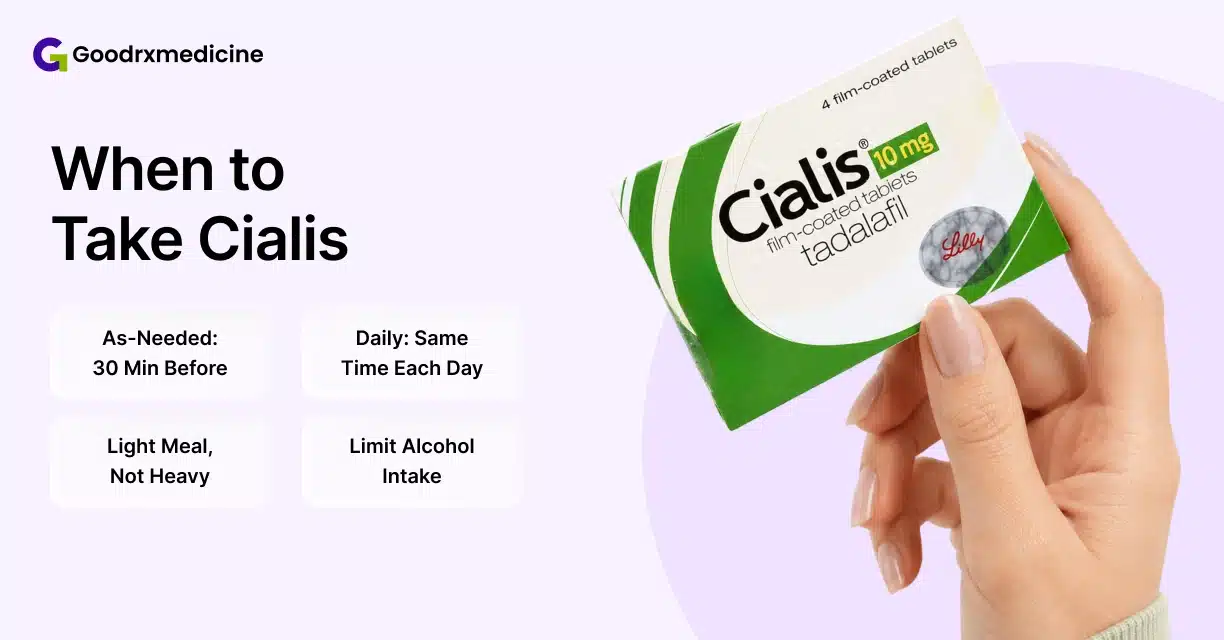
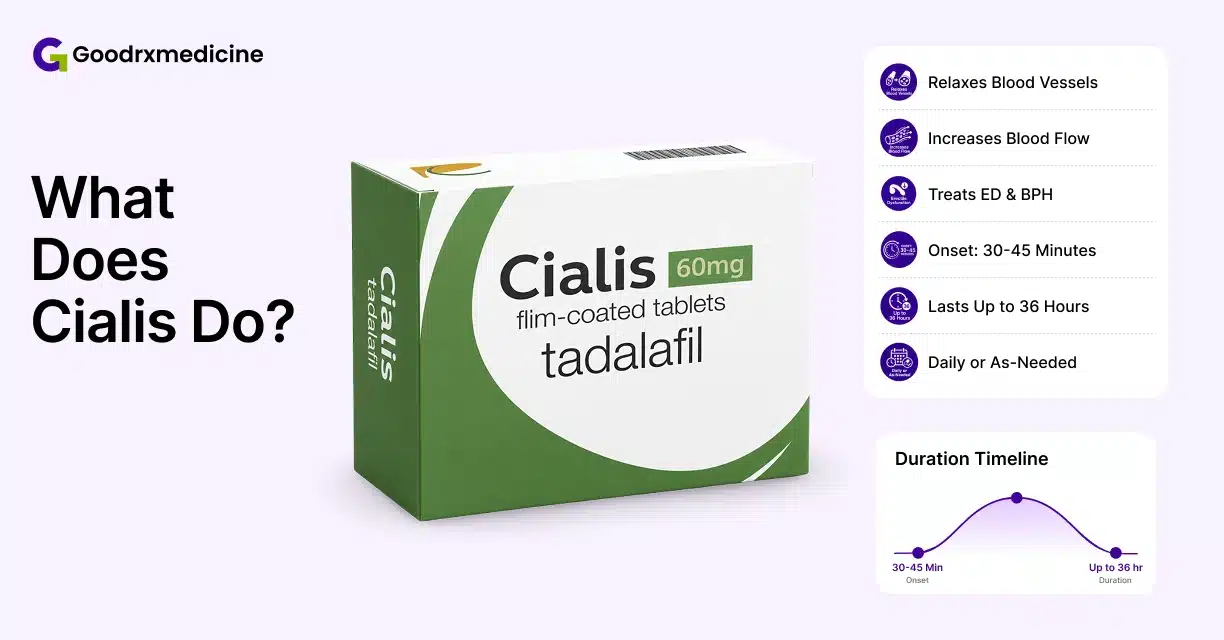
- Medications: Phosphodiesterase type 5 (PDE5) inhibitors, such as Sildenafil and Tadalafil, are the most commonly prescribed medications for ED. These medications work by relaxing blood vessels and increasing blood flow to the penis, making it easier to achieve and maintain an erection during sexual stimulation.
- Vacuum erection devices (VEDs): These devices create a vacuum around the penis to draw blood into the erectile tissues and produce an erection.
- Other medical treatments: Other options, such as hormone therapy, penile injections, or surgical options, can be considered when oral medications are ineffective or not suitable.
Treatment for Premature Ejaculation
Treatment for Premature Ejaculation aims to improve ejaculation control and reduce the distress associated with ejaculating sooner than desired. The treatment approach includes:
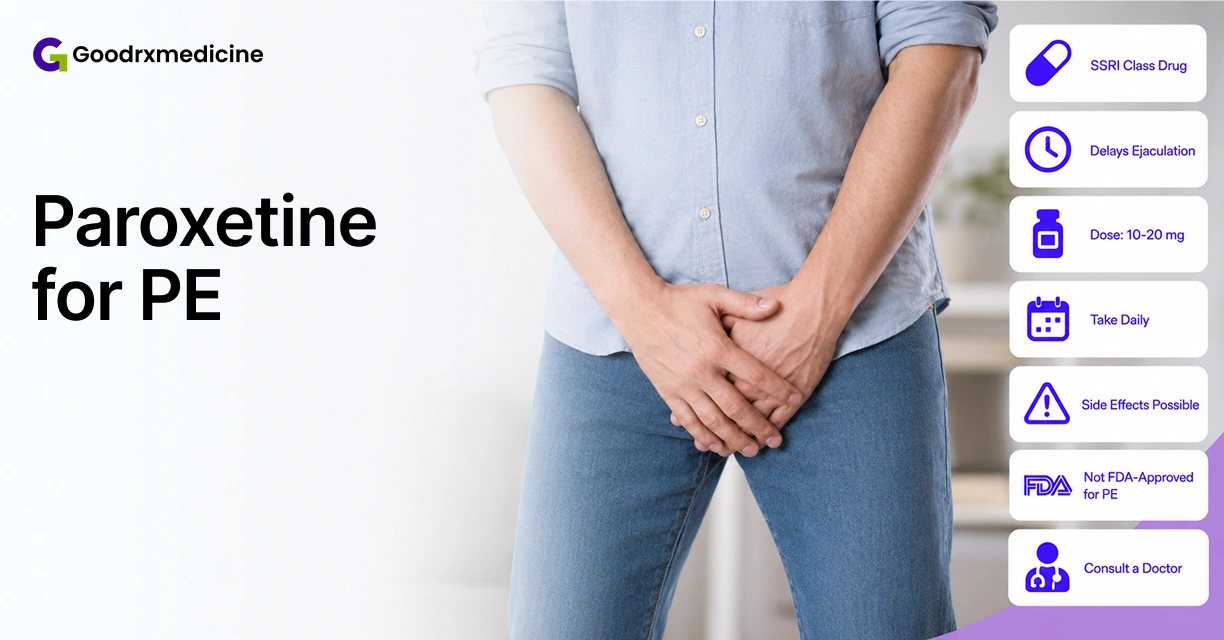
- Medications: Selective Serotonin Reuptake Inhibitors (SSRIs), which can help delay ejaculation by increasing serotonin (mood-regulating chemical)activity in the brain. Dapoxetine is specifically approved for this purpose in some countries, while other SSRIs, such as Paroxetine, can be prescribed off-label when appropriate.
- Topical anesthetics: Topical anesthetics are another treatment option for Premature Ejaculation. Available as over-the-counter or prescription sprays and creams, they work by reducing penile sensitivity and help prolong the time before ejaculation.
- Behavioral techniques: Methods such as the stop-start technique and squeeze technique can help improve ejaculation control and reduce anxiety during sexual activity.
Treating both conditions together
When ED and PE occur together, doctors often treat Erectile Dysfunction first, as improving erection quality may also help reduce Performance Anxiety and improve ejaculation control. If Premature Ejaculation persists, an SSRI such as Dapoxetine or Paroxetine can be prescribed alongside a PDE5 inhibitor like Sildenafil or Tadalafil. This combination can help address both conditions and should only be used under medical supervision.
Lifestyle changes that can improve both conditions
Healthy lifestyle habits can play an important role in managing both Premature Ejaculation and Erectile Dysfunction. While lifestyle changes do not provide immediate results, they can improve sexual function, support overall health, and enhance the effectiveness of medical treatments.
- Stay active and maintain a healthy weight: Regular exercise promotes healthy blood flow, supports heart health, and helps manage weight. Together, these benefits can lower the risk of conditions linked to both conditions.
- Strengthen pelvic floor muscles: Kegel exercises can help with ejaculation control and improve erectile quality by strengthening the muscles involved in sexual function.
- Quit smoking and alcohol: Smoking and excessive alcohol use can affect blood flow and sexual performance. Reducing these habits improves symptoms over time.
- Manage stress and Anxiety: Chronic stress and Anxiety can worsen both conditions. Relaxation techniques such as meditation, yoga, and deep breathing exercises can help reduce performance-related pressure.
- Consider Cognitive Behavioral Therapy (CBT) or Sex therapy: Professional therapy can help address performance anxiety, negative thought patterns, and emotional factors that contribute to ED and PE. Sex therapy can also provide practical strategies for improving sexual confidence and intimacy.
- Communicate openly with your partner: Honest communication about concerns, expectations, and treatment goals can reduce relationship stress and create a more supportive environment for managing sexual difficulties.
- Prioritize quality sleep: Adequate sleep supports hormone production, energy levels, and overall health, all of which play an important role in sexual function.
When to see a doctor
Occasional erection or ejaculation difficulties are common and do not always indicate a medical problem. However, it is important to seek medical advice if symptoms become frequent, persistent, or start affecting your quality of life.
Consider consulting a healthcare professional if:
- Difficulty achieving or maintaining an erection continues for several weeks or months.
- Premature Ejaculation occurs regularly and causes frustration or distress.
- You experience both erection and ejaculation issues simultaneously.
- Sexual performance issues are affecting your confidence, emotional well-being, or relationship.
- Symptoms do not improve despite lifestyle changes or self-help strategies.

Conclusion
Erectile Dysfunction and Premature Ejaculation are distinct sexual health conditions, but they often share a close connection. In many cases, one condition can contribute to the development or worsening of the other, creating a cycle that affects sexual performance, confidence, and overall quality of life. Factors such as Performance Anxiety, underlying medical conditions, and unhealthy lifestyle habits can play a role in both disorders.
Fortunately, a range of treatment options is available. Oral medications, like Sildenafil and Dapoxetine, behavioral techniques, topical treatments, and combination therapies can help manage symptoms and improve sexual function. In addition, healthy lifestyle habits such as regular exercise, weight management, stress reduction, and pelvic floor exercises can support long-term improvement.
Because ED and PE can sometimes signal an underlying health issue, seeking medical advice is important if symptoms persist. With proper diagnosis and treatment, most men can effectively manage both conditions and regain confidence in their sexual health.
Frequently Asked Questions
Can anxiety cause both ED and PE?
Yes, anxiety can contribute to both ED and PE. Stress, Performance Anxiety, and worry about sexual performance can interfere with the body’s normal sexual response. In some men, anxiety makes it difficult to achieve or maintain an erection, while in others it can lead to ejaculating sooner than desired.
Does Premature Ejaculation mean I have Erectile Dysfunction?
No, Premature Ejaculation does not automatically mean you have Erectile Dysfunction. Premature Ejaculation and Erectile Dysfunction are separate sexual health conditions, although they can sometimes occur together.
Do men with ED avoid intimacy?
Yes, some men with ED avoid intimacy because it affects confidence and creates feelings of embarrassment, frustration, or anxiety. As a result, some men avoid intimate situations because of performance pressure. However, not all men with ED avoid intimacy, and open communication with a partner can help reduce stress and strengthen the relationship.
Why can’t my boyfriend stay hard all of a sudden?
If your boyfriend suddenly cannot stay hard, it does not always mean there is a serious problem. Temporary erection difficulties can happen due to stress, anxiety, relationship issues, excessive alcohol use, or emotional pressure. In some cases, underlying health conditions such as Diabetes or certain medications can also play a role.
Citations
GoodRxMedicine only refers to credible, authoritative sources for our content. If you're curious about how we ensure the integrity of our content, we encourage you to read our Content Information Policy.
How useful was this post?
Click on a star to rate it!
No votes so far! Be the first to rate this post.
Julian Carter is a highly accomplished MBA graduate in Pharmaceutical Management, celebrated for his extensive experience and exceptional skills in the pharmaceutical industry. With a wealth of knowledge and expertise, Julian is a valuable contributor to the field and a trusted voice in pharmaceutical management. As a contributing writer for Goodrxmedicine.com, Julian is committed to educating and empowering individuals to make informed decisions about their health. His passion for the industry is evident in his work, and his dedication to improving the lives of others through education and empowerment is truly remarkable. With a reputation for excellence and a track record of success, Julian Carter is a respected and admired figure in pharmaceutical management. His insights and contributions to the field are highly valued, and his expertise has helped shape the direction of the industry for the better. Through his work as a contributing writer for Goodrxmedicine.com and beyond, Julian continues to make a meaningful impact in the lives of many. His commitment to excellence and dedication to improving the health of individuals and communities around the world make him an inspiration to others in the field.
Learn MoreDr. James Mitchell is a board-certified physician with 18+ years of clinical experience in Sexual Medicine and Reproductive Health. He helps patients navigate intimate health concerns through medically sound guidance and compassionate, patient-centered care.
Learn More