




Mismatched libidos are far more common than couples realize. One partner wants sex more often, the other needs more space or a different kind of emotional or physical buildup before desire kicks in. If you and your partner face the same issue, neither of you is wrong. Still, the difference can lead to frustration, misunderstanding, or feeling unwanted, especially if it goes unspoken for too long.
When libidos don’t align, it can affect more than just the bedroom. Resentment can build, confidence can drop, and you both may start avoiding intimacy altogether, not because you don’t care, but because you don’t know how to bridge the gap.
Fortunately, most sexual disconnects can be improved with the right approach. Open communication, a better understanding of what drives each other’s desire, and small but consistent changes in how you connect romantically can bring balance back into the relationship.
This guide walks you through practical, real-world steps on how to deal with mismatched libidos. It helps you understand each other’s needs, rebuild sexual connection naturally, and create intimacy that feels satisfying for both partners without pressure.
Tip 1. Start with a calm and open conversation

You cannot fix mismatched libidos without talking about them. Many couples avoid the topic until the frustration turns into distance, insecurity, or emotional withdrawal. Bringing it up early saves distress and even your relationship.
Here’s how you should approach your partner for a talk:
- Choose a relaxed moment when neither of you is already tense or hurt.
- Tell your partner how you feel and share what you need from the relationship with clarity and kindness.
- Ask them about their expectations for sex life.
- Listen fully before responding so the conversation stays safe and productive.
- Do not feel rejected if your partner says no, or guilty if you are the one saying no.
- Agree to treat the issue as something you’ll solve together, not against each other.
Tip 2. Understand what’s affecting desire
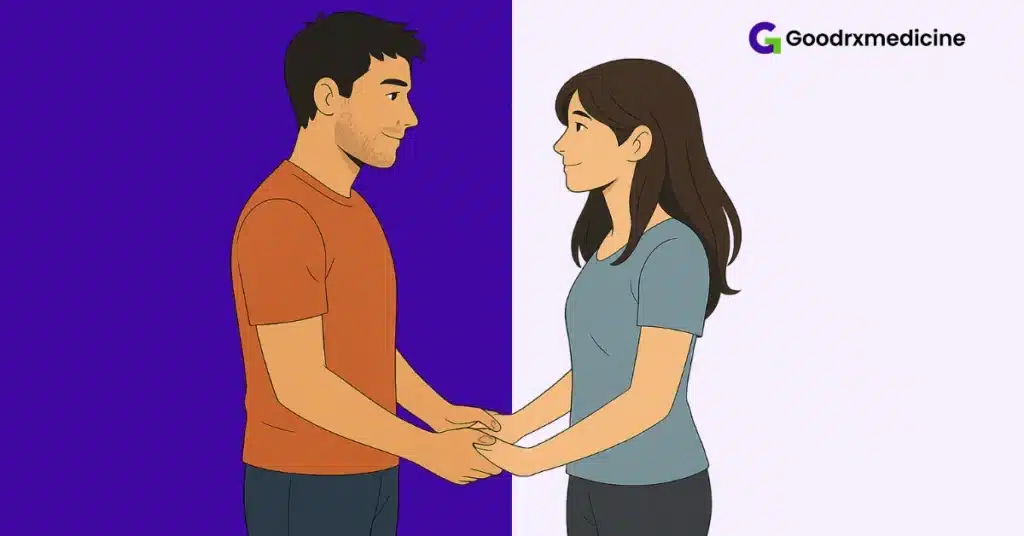
Libido isn’t just about attraction or love. It’s influenced by dozens of physical, emotional, and situational factors that have nothing to do with how much you care about your partner. Pinpointing the problem can help you figure out the direction you need to work on.
To address the underlying issues killing desire, you should:
- Recognize factors like stress, anxiety, Depression, and exhaustion that physically lower sex hormones and desire.
- Look for possible medications, such as antidepressants, birth control, and blood pressure medicines, that commonly reduce libido as a side effect.
- Acknowledge hormonal changes like pregnancy, postpartum, menopause, or low testosterone that directly impact drive.
- Reflect on relationship issues like unresolved conflicts, lack of emotional intimacy, or feeling underappreciated that kill desire.
- Check if either partner has responsive desire, meaning they need physical arousal before mental desire kicks in, rather than spontaneous desire.
Tip 3. Focus on emotional connection

Emotional and sexual intimacy are correlated. No matter how much technique you use, your partner’s body won’t react sexually if they don’t feel listened to, valued, or emotionally secure. This is because arousal is more psychological than physical. Fix the emotional disconnect first, and physical desire usually comes easily after.
To rebuild emotional closeness, you should:
- Spend a few minutes each evening talking about your day without distractions.
- Show affection through small gestures, such as leaving a note like ‘I love you’ for your partner.
- Make each other feel seen, valued, and appreciated regularly. Give compliments and reassurance to maintain emotional intimacy.
Tip 4. Bring romance back into routines

Use romance to bridge the gap between your sexual desires. When closeness exists throughout `the day, sexual connection becomes easier and more natural instead of a pressured event for both partners.
Try bringing intimacy into small daily moments by simple activities:
- Practice non-sexual physical affection daily through kisses, showering together, and hand-holding to maintain connection.
- Cook dinner together and make it a relaxed bonding time.
- Cuddle while watching a show or resting before sleep.
- Plan date nights, go out shopping, have a candlelight dinner, or dance together.
Tip 5. Redefine sex beyond penetration
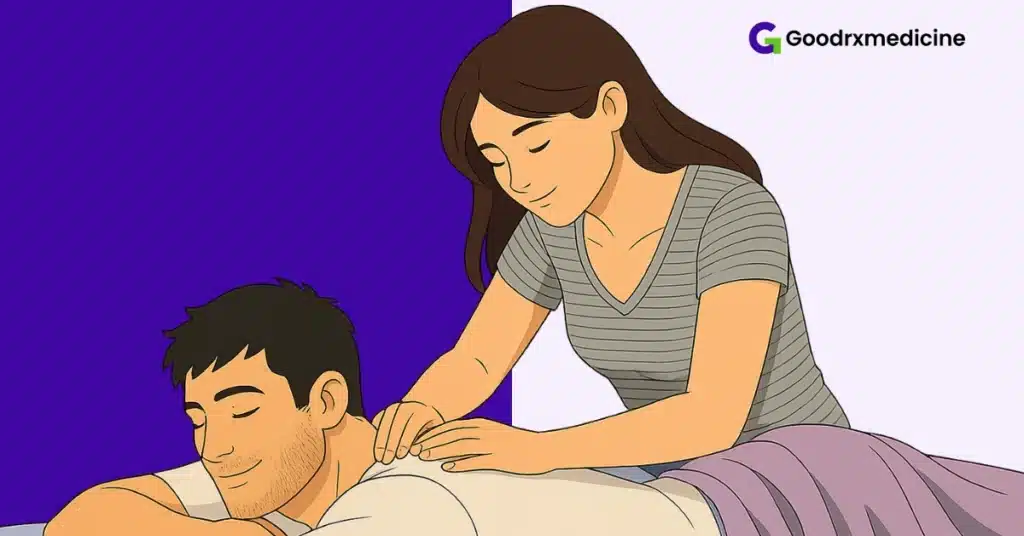
Many couples trap themselves by defining sex narrowly as penetration leading to orgasm. Expanding your definition creates more opportunities for connection without pressure.
- Include activities like sensual massage or a makeout session instead of directly aiming for sex.
- Try oral stimulation or explore each other’s erotic zones for pleasure.
- Use sex toys or masturbation for stimulation or self-pleasure when the other partner is not in the mood. You do not have to force them or shut your libido down. Just switch to ways that allow you to have individual pleasure moments.
Tip 6. Find a middle ground

When mismatched libidos create pressure around sex, the higher-desire partner may feel rejected, and the lower-desire partner may feel overwhelmed. So, the goal isn’t matching libidos perfectly. It’s finding a middle ground where neither partner feels consistently deprived or pressured.
- Talk about what pace or frequency feels comfortable for the partner with lower desire, without it feeling forced or like an obligation.
- Ask how often the partner with a stronger desire needs intimacy to feel close and valued.
- Find a realistic middle ground that respects both of your needs and feels good for both of you.
- Discuss it again if things change or you don’t get it right initially.
Tip 7. Schedule intimacy without making it feel mechanical
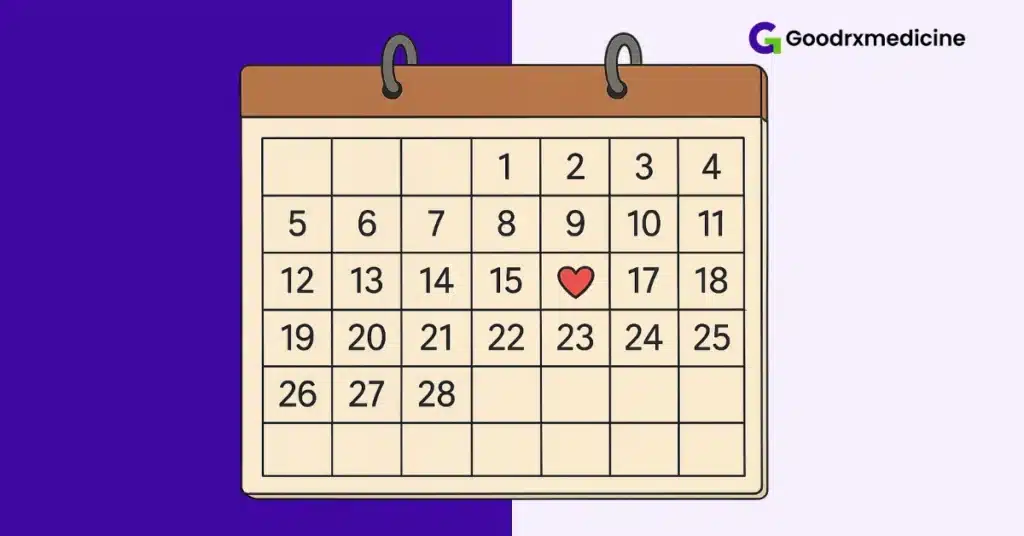
Scheduled intimacy doesn’t mean romance has died; it’s just more planned out. When life is busy and spontaneous sex isn’t always realistic, especially for long-term couples, looking forward to intimacy keeps things more exciting. This does not mean you design a rigid schedule to follow mechanically. Adjust, align, and reschedule when things don’t go as planned.
Here’s how you can make scheduling work:
- Choose a day or time when both partners usually have energy.
- Treat it like a date night, not a duty. You both should be able to relax and enjoy it.
- Prepare a romantic environment in advance to enhance mood and privacy. Dim the lights, use romantic scents, or play soft music.
- Do not allow distractions like work, family, or friends during your couple time.
Tip 8. Try new things to reignite the spark
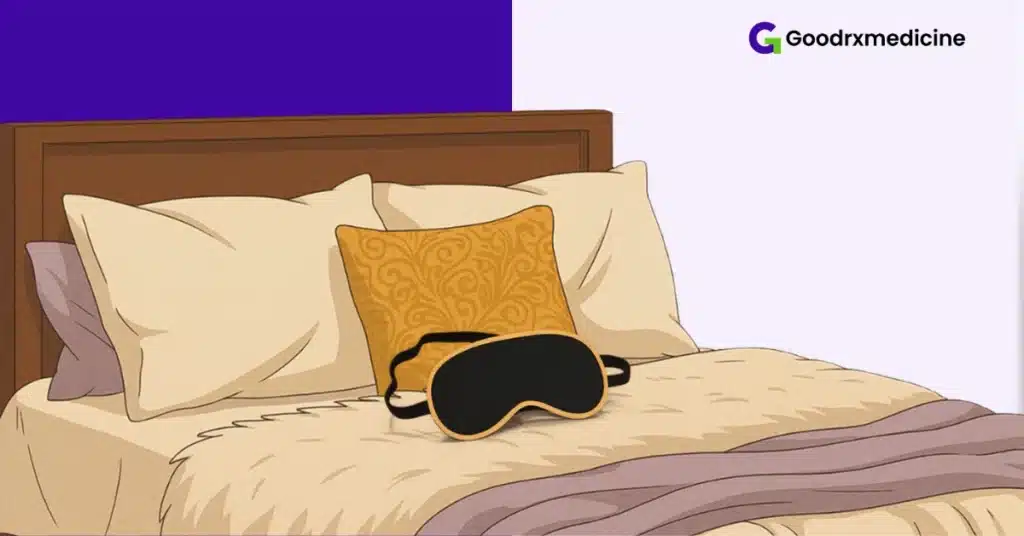
Sometimes, a lack of interest from your or your partner’s side could simply be boredom. Bringing back excitement in the relationship can help you both align on craving intimacy.
- Try new sex positions and do not limit yourself to the bed. You can consider rear entry, sitting on a chair, or standing against a wall, as they often create different yet pleasurable experiences.
- Take intimacy outside the bedroom, such as in your kitchen, bathroom, or living room.
- Use blindfolds, handcuffs and other props if both of you are comfortable and consent to it.
- Consider roleplay and fantasies to bring out new experiences.
Tip 9. Seek professional help if needed
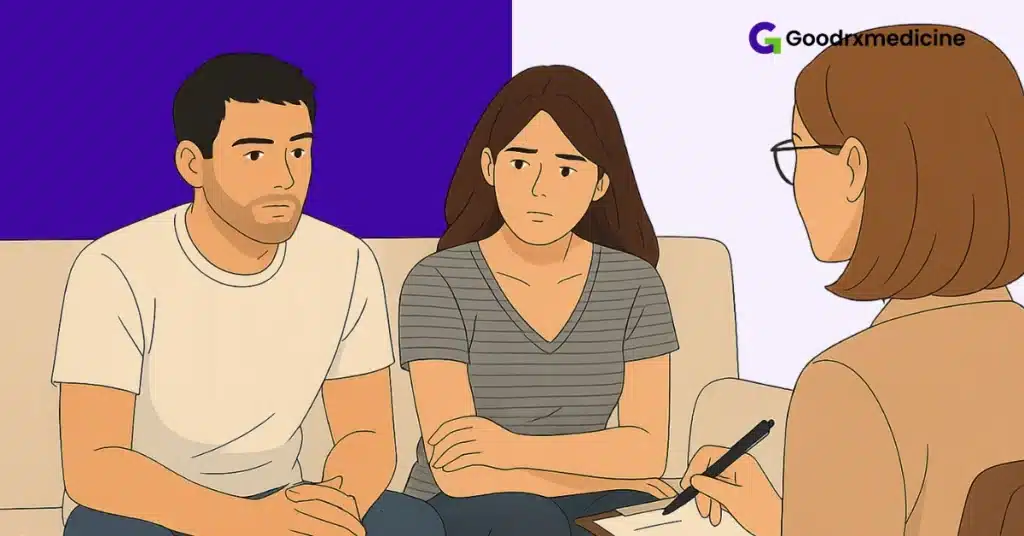
Sometimes, no amount of communication or teamwork bridges the libido gap. That’s usually when the issue is deeper, like trauma, chronic stress, or relationship patterns that need guidance. There is no shame in seeking help if needed.
- Consult a sex therapist if the libido dip continues for a long time and starts affecting your sex life or relationship.
- Visit a doctor to rule out or treat any underlying medical concerns, like hormonal imbalances or chronic illness.
- Consider couples therapy if emotional disconnection, unresolved conflicts, or poor communication are affecting intimacy.
Frequently Asked Questions
Does a mismatched libido mean the relationship is failing?
No, many healthy, committed couples experience different sex drives at some point. It becomes damaging only when partners avoid discussing it, feel judged, or stop working as a team. With understanding and effort, libido differences can exist without harming the relationship.
Can mismatched libidos be temporary?
Yes, libido differences can often be temporary. Work pressure, illness recovery, parenting stress, sleep problems, and body image issues are some of the life stages that might cause them. Many couples find that their desire naturally realigns once external pressure reduces and emotional stability returns.
Can a mismatched libido exist even with strong attraction?
Yes, a partner may deeply desire their partner but may not always have the physical or mental bandwidth for sex. A lack of libido does not always mean less attraction.
Can mismatched libidos exist when both partners have high sex drives?
Yes, there can be a mismatch even though both partners enjoy having sex regularly. This occurs when cravings peak at opposite times, as one demands quick preparation while the other craves longer physical intimacy or emotional connection.
Is mismatched libido more common in long-term relationships?
Yes, routines, responsibilities, health changes, and comfort eventually lessen the intensity of early-stage passion. As life changes, long-term partners often experience fluctuating levels of desire, and learning to adjust together can strengthen their long-term closeness.
Can watching more erotic content worsen mismatched libidos?
Yes, watching more erotic content can worsen mismatched libidos if one person becomes overly dependent on visual or imaginative stimulation. In such cases, they no longer have a sex drive or arousal in case of real experiences with their partner.
When referencing outside resources, GoodrxMedicine always provides full citations. To learn more about the measures we use to maintain the quality of our content, please review our Content Information Policy.