





Polycystic Ovary Syndrome (PCOS) is a hormonal condition that impacts women of reproductive age, often leading to hormonal imbalances. It happens when the body produces higher-than-normal levels of androgens (male hormones), that can interfere with ovulation and make conception more difficult. About 6% to 10% of women in the US are affected by PCOS, showing how common it is.
Having a proper PCOS treatment plan can help restore hormonal balance, improve skin health, and support fertility, thereby managing PCOS effectively. Treatments can include natural remedies, fertility medications, or even surgeries like Laparoscopic Ovarian Drilling (LOD), depending on the severity of the condition. Additionally, lifestyle changes, such as a balanced diet and exercise, can help maintain hormonal balance, support weight management, and reduce symptoms over time.
This article provides an overview of treatment options for PCOS in Austin, Texas.
Effective PCOS treatments in Austin
PCOS treatment varies depending on the symptoms that you experience, such as irregular periods, weight changes, stress, or fertility challenges. In Austin, a variety of treatments for PCOS are available, ranging from dietary supplements to medical therapies, all designed to help balance hormones and manage symptoms effectively.
Save up to 90% on your medicine bills
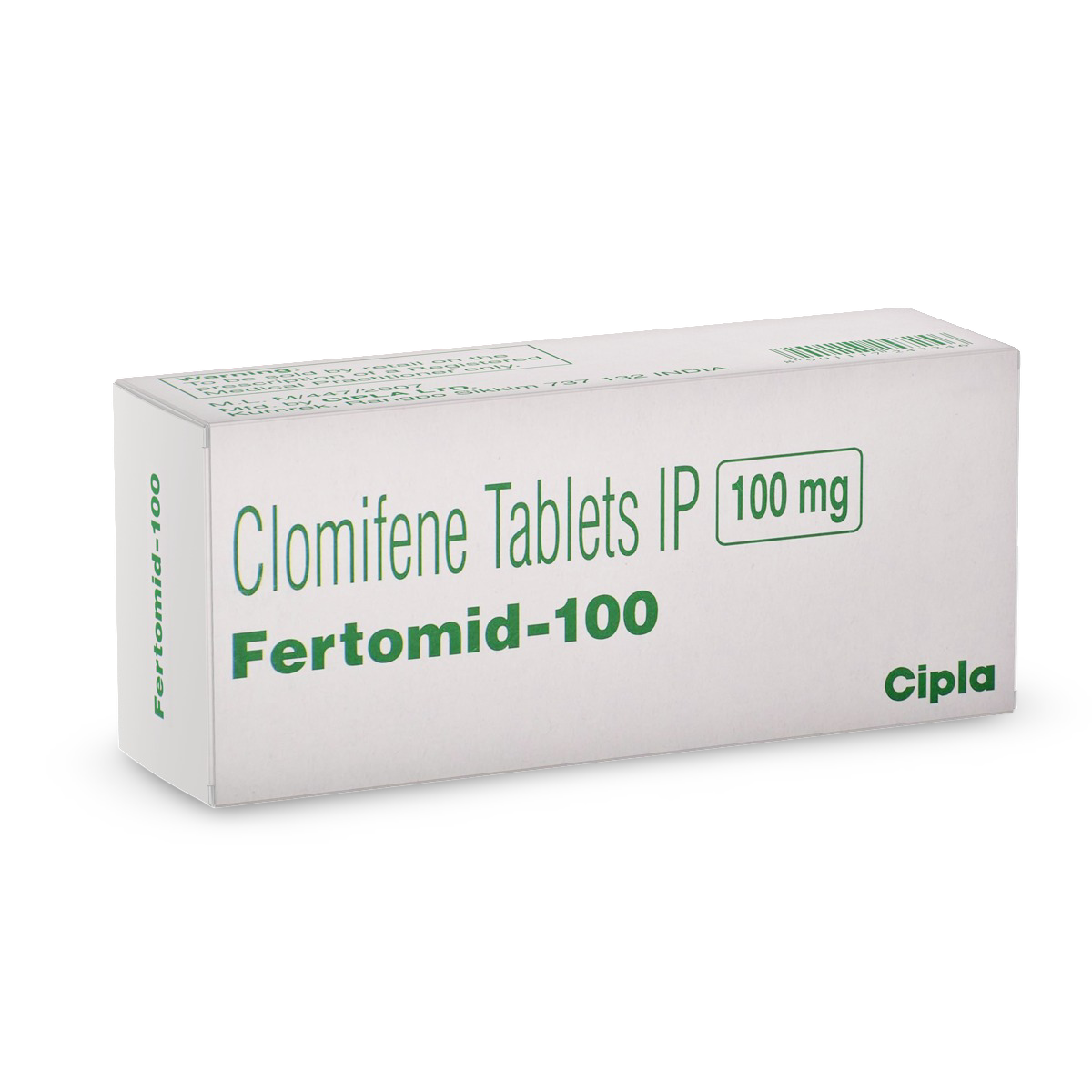
Fertomid 100 Mg Tablet
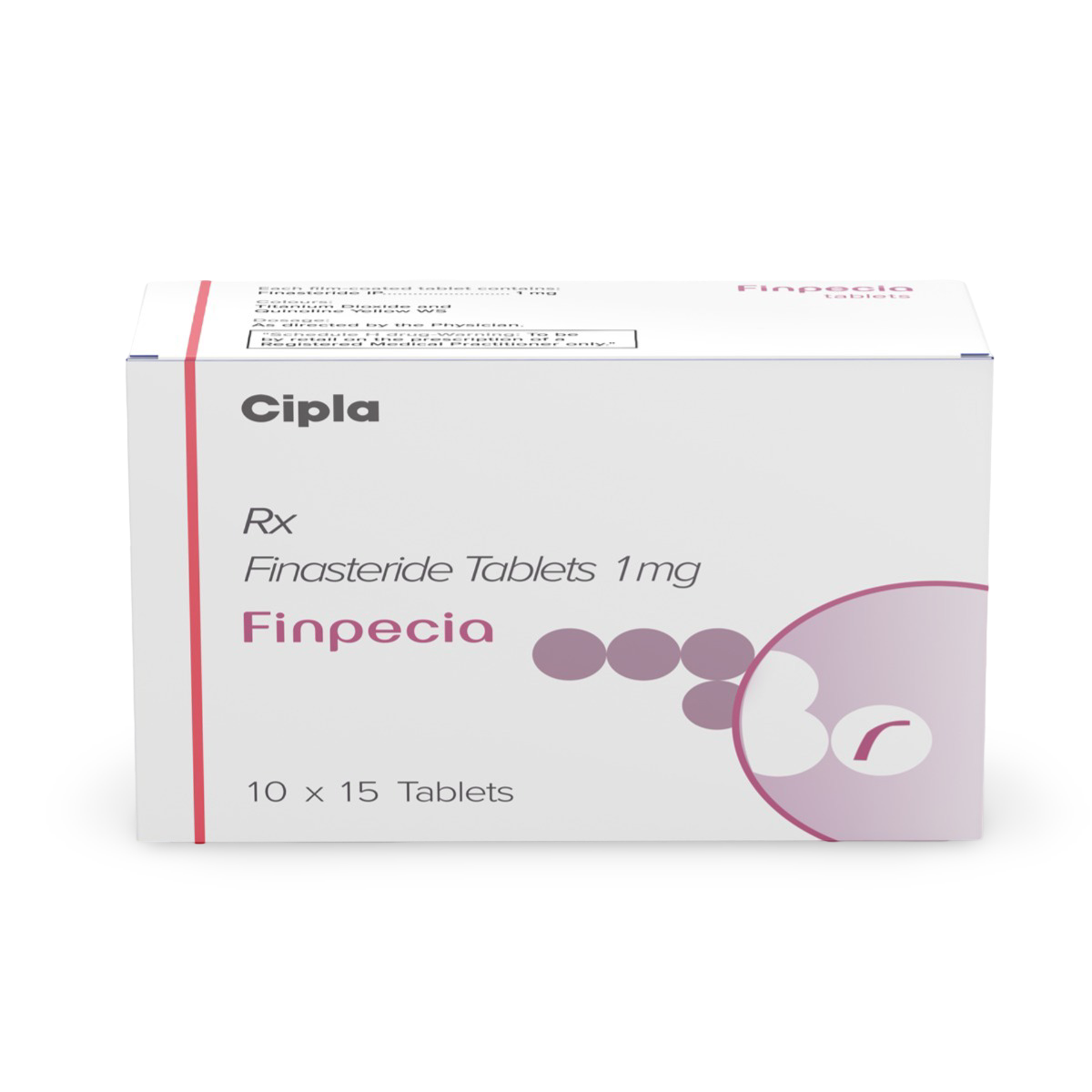
Finpecia 1 mg Tablet
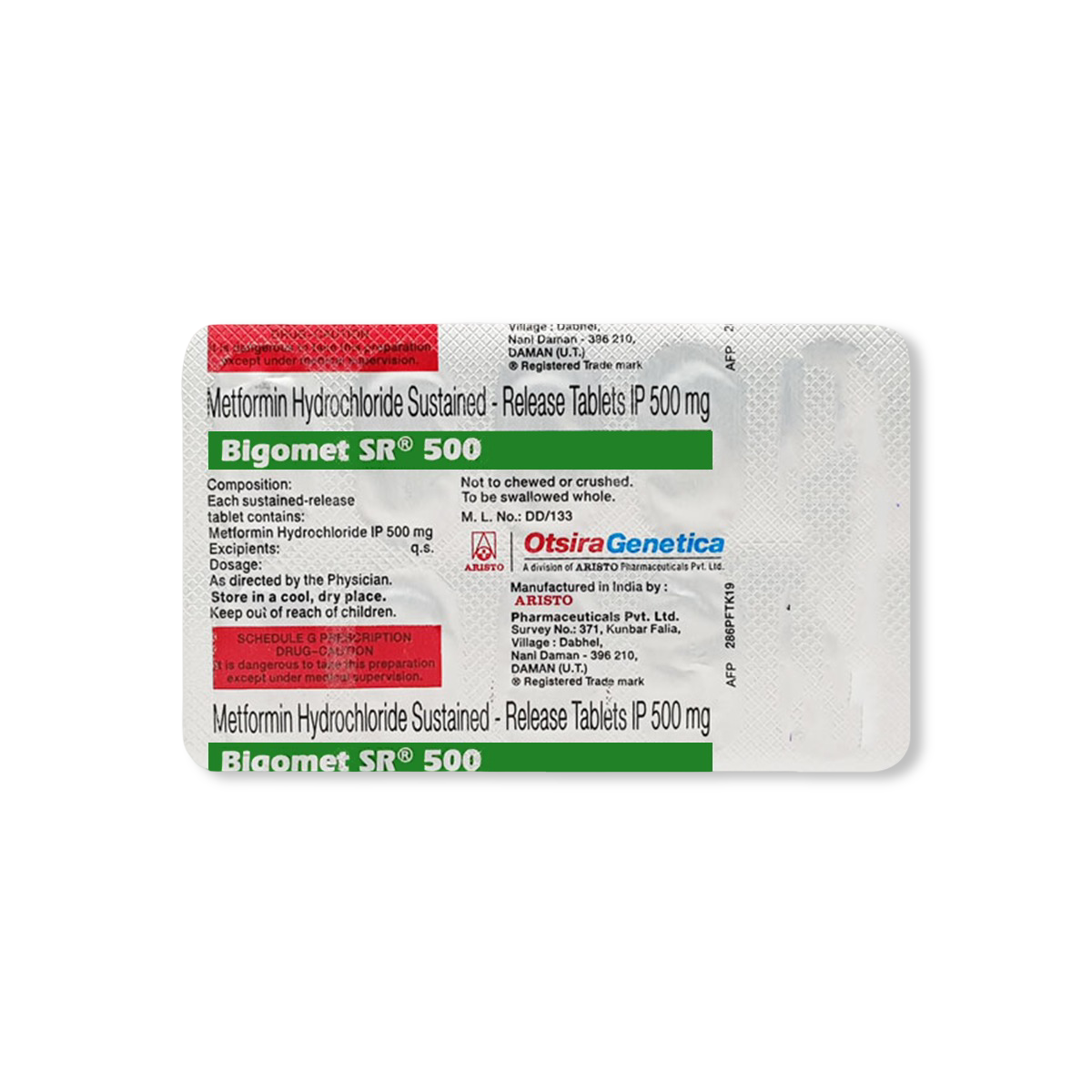
Bigomet 500 Mg Tablet
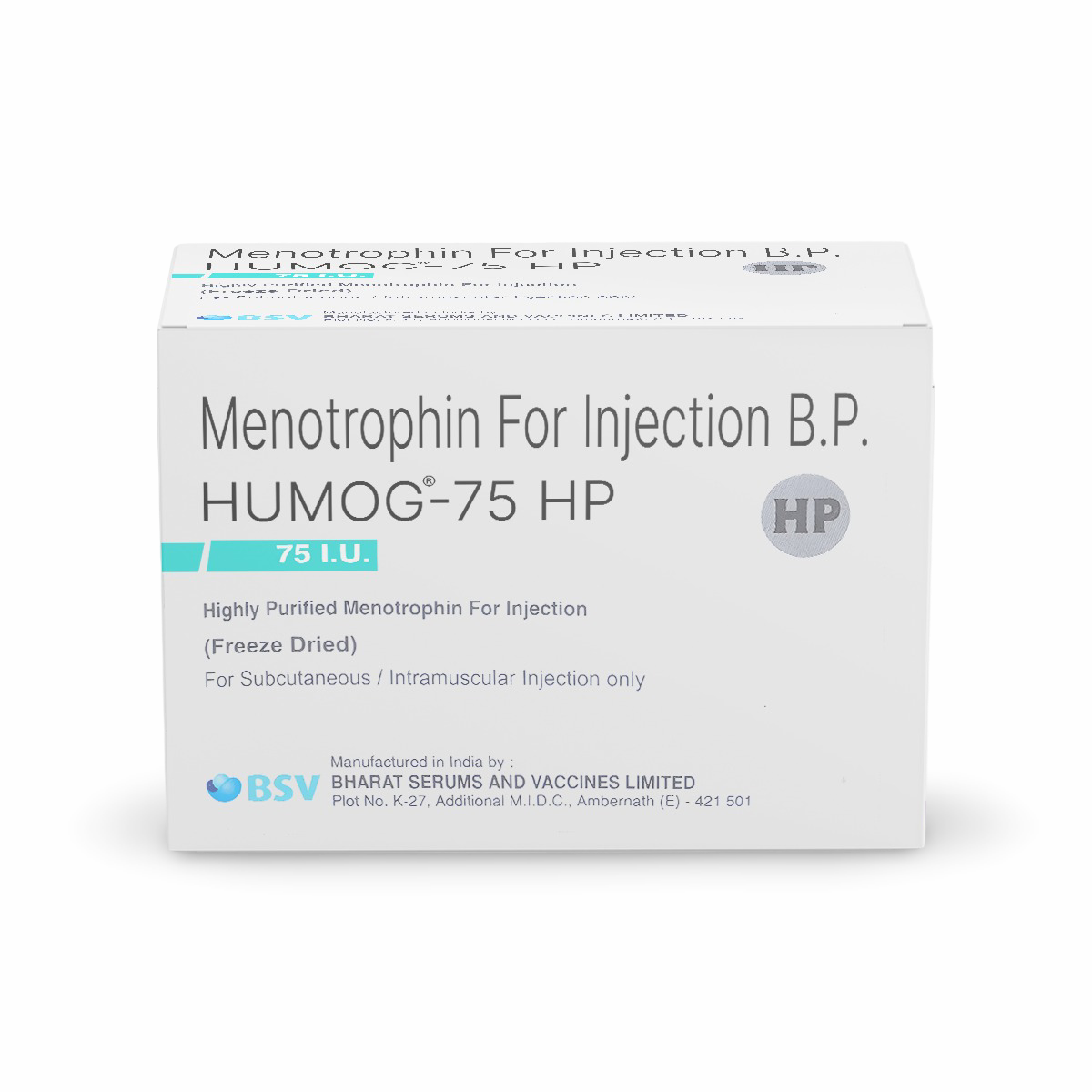
Humog 75-HP Injection
Here are some of the effective PCOS treatments.
Medicated treatments for PCOS
Medical treatments are typically the first approach for managing PCOS, particularly when hormonal imbalances and insulin resistance are the main concerns. The doctor can recommend oral medications such as Clomiphene/Clomifene, surgeries or fertility treatments like Assisted Reproductive Technologies (ART).
The medicated treatments available in Austin are:
Medicines for managing PCOS symptoms
This treatment option includes oral pills and topical treatments. The doctor can prescribe a combination of medicines depending on what symptoms you are most struggling with. Some commonly prescribed medications for PCOS are:
- Contraceptive pills: First-line treatment to regulate menstrual cycles for women with irregular or absent periods.
- Progestogen tablets: An alternative to birth control pills, these trigger periods and support a healthy uterine lining.
- Metformin: While commonly used for Type 2 Diabetes, it lowers insulin resistance, stabilizes blood sugar, supports weight loss, and can restore ovulation. Dcotors usually prescribe this medication alongside healthy lifestyle changes.
- Anti-androgen medications: Medicines like Spironolactone, Flutamide, and Finasteride help reduce excess facial hair, acne, and hair thinning by blocking the effects of male hormones. Although they are not FDA-approved, doctors can prescribe them off-label to manage symptoms.
- Eflornithine cream: Slows unwanted facial hair growth, best used with other hair removal methods.
- Minoxidil: Stimulates scalp hair regrowth when applied regularly.
Fertility treatments for PCOS
PCOS can often cause infertility due to irregular ovulation. There are targeted fertility treatments available that can help improve your chances of conceiving. Such treatments are:
- Letrozole: Being the first line treatment for infertility, it lowers estrogen levels to trigger hormone signals that stimulate ovulation.
- Clomifene Citrate: Stimulates the ovaries to release an egg each month to promote ovulation.
- Gonadotropin injections: Directly stimulate the ovaries to produce and release eggs.
- Assisted Reproductive Technologies (ART): This treatment include in In-vitro Fertilization (IVF), which involves fertilizing an egg outside your body and transferring the embryo into your uterus.
Surgery for PCOS
If medications and other treatments don’t trigger ovulation, the doctor can recommend a minor procedure called Laparoscopic Ovarian Drilling (LOD). During this surgery, you’ll be under general anesthesia while the doctor makes a small incision in the lower abdomen to insert a laparoscope.
Using heat or a laser, small portions of ovarian tissue that produce excess male hormones are treated. This helps restore hormonal balance, regulate ovulation, and improve your chances of conceiving naturally.
Naturopathic treatment for PCOS
Several holistic approaches focus on improving overall well-being, not just treating symptoms. These methods can help balance hormones, reduce stress, and naturally support fertility. They include:
- Herbal supplements such as Shatavari, and Ashwagandha, to balance hormones, reduce inflammation, and support reproductive health.
- Techniques such as abdominal massage, lymphatic drainage, and hydrotherapy to enhance circulation, promote relaxation, and aid natural detoxification.
- Acupuncture as a complementary therapy to manage PCOS symptoms.
Weight management options
Weight management is essential to improve insulin sensitivity, reducing inflamation and preserve lean muscle. A healthy Body Mass Index (BMI) can help regulate hormones, improve ovulation, and reduce symptoms such as irregular periods and excess androgen levels.
In Austin, you can visit a dietitian or fitness coach to get a personalized diet plan and exercise program that aligns with your PCOS management plan.
Lifestyle and dietary changes to treat PCOS
Managing PCOS symptoms is not just about taking medications or going through specific treatments. Your diet and daily habits also play a significant role. The appropriate supplements and lifestyle changes can help you balance hormones, improve insulin sensitivity, and support weight management.
Here are some options you can consider.
- Stay active: Incorporate cardio, strength training, or yoga to burn fat, boost your metabolism, and regulate your hormones.
- Manage stress: Practice meditation, deep breathing, or engage in relaxing hobbies to lower cortisol (stress hormone) levels and help regulate your menstrual cycles.
- Focus on nutrient-rich foods: These include whole grains, lean proteins, fiber, and healthy fats to control blood sugar and reduce insulin resistance.
- Get enough sleep: Aim for 7–8 hours of quality rest to maintain balance in your hormones, metabolism, and energy levels.
- Cut back on processed foods: You should reduce sugar and refined carbs to lower insulin spikes and reduce inflammation, thereby improving both skin and energy.
Where to get PCOS treatments in Austin
In Austin, several healthcare centers offer diagnosis and treatment for PCOS. From women’s health clinics to medical centers and teleconsultations, you can receive personalized care, including prescribing medications, to help manage symptoms, regulate menstrual cycles, and support fertility. Additionally, prescribed medications can be obtained from any reputable online or offline pharmacies.
Here are some reputed platforms that offer effective PCOS treatments and Diagnosis in Austin.
Women’s health clinics
Several well-known women’s health clinics that specialize in PCOS care provide OB/GYN services, such as diagnosis, hormone treatment, and fertility care. They offer personalized plans to manage symptoms, regulate periods, and support overall reproductive health. Such clinics are:
- UT Health Austin
- Fora Fertility
- Allara health
Hospitals and medical centers
In addition to PCOS-specialized clinics, you can also visit hospitals and medical centers in Austin that offer comprehensive PCOS care. Such facilities are:
- Woman’s Health Domain
- St. David’s Healthcare
- Baylor Scott & White Health
Teleconsultations
Teleconsultations allow you to consult with healthcare providers from the comfort of your home. Through video or phone appointments, doctors can review your symptoms, recommend treatment, and provide follow-up care without needing an in-person visit.
- PCOS Sisters
- WEmpowered Women’s Telehealth
Local pharmacies
If you receive a prescription for PCOS treatment, you can fill it the same day at any pharmacy in Austin. This provides quick and convenient access to medications that help manage symptoms, regulate hormones, and support fertility. Such pharmacies include:
- Tarrytown Pharmacy
- Walgreens
- Medsavers Pharmacy
Online pharmacies
Filling a prescription from a reputable online pharmacy lets you access medications or supplements from the convenience of your home. It is essential that you provide a valid prescription to ensure safe PCOS treatment.
When you order from pharmacies like GoodRxMedicine, you get the following benefits:
- Authentic, lab-verified products
- Private, discreet shipping for your confidentiality
- Fast delivery directly to your door
- Convenient ordering from home at any time
Save up to 90% on your medicine bills
Fertomid 100 Mg Tablet
Finpecia 1 mg Tablet
Bigomet 500 Mg Tablet
Humog 75-HP Injection
Conclusion
Polycystic Ovary Syndrome (PCOS) can be challenging to live with, but with the right support, you can take charge of your health. Treatment for PCOS depends on the specific symptoms you experience.
In Austin, Texas, several clinics and hospitals, including Fora Fertility and Woman’s Health Domain, offer accurate diagnosis and personalized treatment plans. Doctors can prescribe medications such as Clomifene Citrate for fertility concerns, recommend procedures like Laparoscopic Ovarian Drilling (LOD), or suggest supportive therapies such as hydrotherapy. Lifestyle changes, such as better sleep, better weight management, and supplements like Ashwagandha, are also beneficial in the treatment process.
You can fill your prescriptions at local pharmacies or through online pharmacies like GoodRxMedicine, which provide lab-tested products delivered directly to your home for convenience.
Frequently Asked Questions
How do Austin healthcare providers monitor progress for PCOS?
Austin healthcare providers usually track PCOS progress through regular symptom reviews, physical examinations, and periodic lab tests or imaging. They also focus on individual goals, such as regulating menstrual cycles, reducing metabolic risks, improving fertility, and managing symptoms like acne and abnormal hair growth.
What does PCOS pain feel like?
PCOS pain often feels like dull or sharp discomfort in your lower abdomen or pelvis, sometimes on one or both sides. You may also experience bloating, cramping during periods, or pressure from enlarged ovaries. The intensity can vary from mild to more noticeable discomfort.
What not to do when you have PCOS?
If you have PCOS, avoid extreme crash diets, high-sugar or ultra-processed foods, and a sedentary lifestyle. Don’t overtrain with intense workouts or ignore sleep and stress. Avoid self-prescribing supplements or following unverified online advice. Smoking, heavy alcohol use, and skipping medical follow-ups can also worsen PCOS symptoms and risks.
Is PCOS 100% curable?
No, PCOS isn’t completely curable, but you can manage it effectively. With the proper treatment, lifestyle changes, and medical guidance, you can control symptoms, regulate your periods, improve fertility, and lead a healthy, balanced life.
GoodRxMedicine only refers to credible, authoritative sources for our content. If you're curious about how we ensure the integrity of our content, we encourage you to read our Content Information Policy.

Julian Carter is a highly accomplished MBA graduate in Pharmaceutical Management, celebrated for his extensive experience and exceptional skills in the pharmaceutical industry. With a wealth of knowledge and expertise, Julian is a valuable contributor to the field and a trusted voice in pharmaceutical management.
As a contributing writer for Goodrxmedicine.com, Julian is committed to educating and empowering individuals to make informed decisions about their health. His passion for the industry is evident in his work, and his dedication to improving the lives of others through education and empowerment is truly remarkable.
With a reputation for excellence and a track record of success, Julian Carter is a respected and admired figure in pharmaceutical management. His insights and contributions to the field are highly valued, and her expertise has helped shape the direction of the industry for the better.
Through his work as a contributing writer for Goodrxmedicine.com and beyond, Julian continues to make a meaningful impact in the lives of many. His commitment to excellence and dedication to improving the health of individuals and communities around the world make him an inspiration to others in the field.