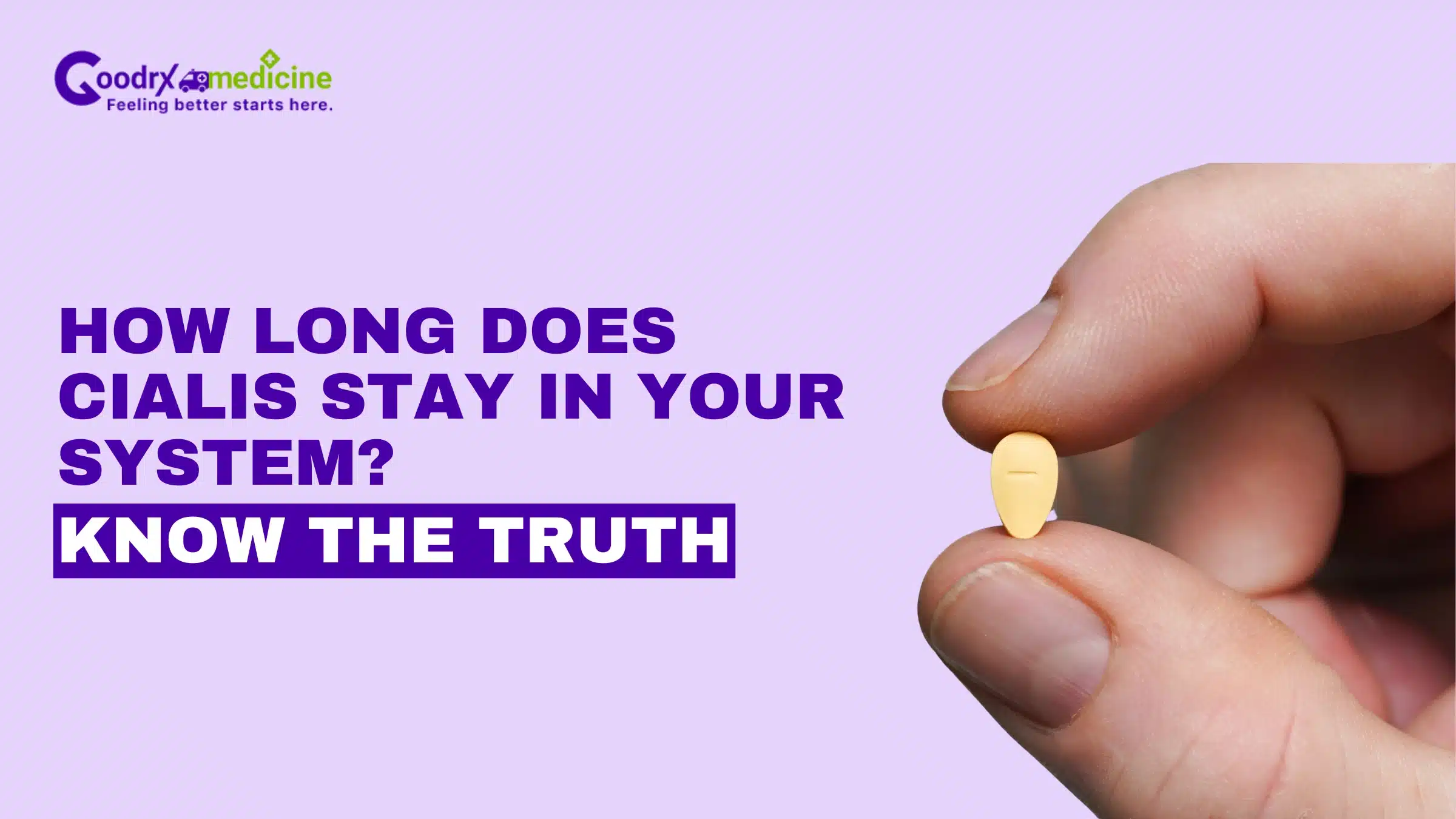






Cialis is a prescription medication containing Tadalafil, a Phosphodiesterase type 5 (PDE5) inhibitor, used to treat Erectile Dysfunction (ED) and Benign Prostatic Hyperplasia (BPH).
It works by improving blood flow to the penis during sexual stimulation to help men with Erectile Dysfunction achieve and maintain an erection. In men with Benign Prostatic Hyperplasia, it helps relax the smooth muscle tissue in the prostate and bladder, helping improve urinary symptoms such as difficulty urinating or a weak urine stream.
Cialis is available in four FDA-approved strengths: 2.5 mg, 5 mg, 10 mg, and 20 mg. The right dosage depends on the condition being treated, symptom severity, your overall health, kidney and liver function, and other medications you take. It may be prescribed as an as-needed treatment or a once-daily medication.
This article explains the recommended Cialis dosages for different conditions, how healthcare providers determine the appropriate dose, and how to use the medication safely for the best results.
Cialis dosage by condition
Cialis dosage depends heavily on what you are treating. The two main uses of Cialis are Erectile Dysfunction and Benign Prostatic Hyperplasia, and some men are prescribed Cialis for both conditions together.
Save up to 90% on your medicine bills
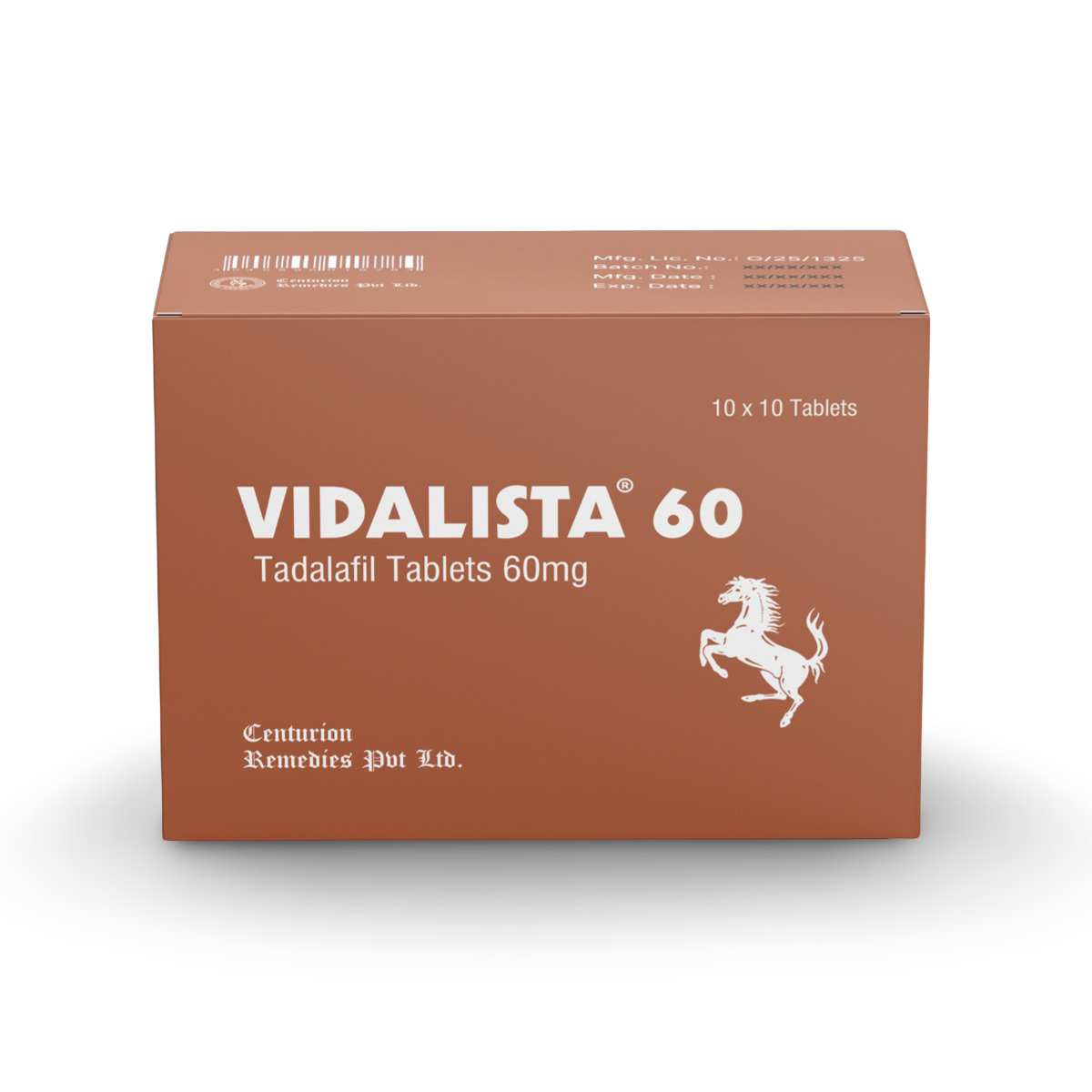
Vidalista 60 mg
Starting at just $0.91 per tabletBuy Now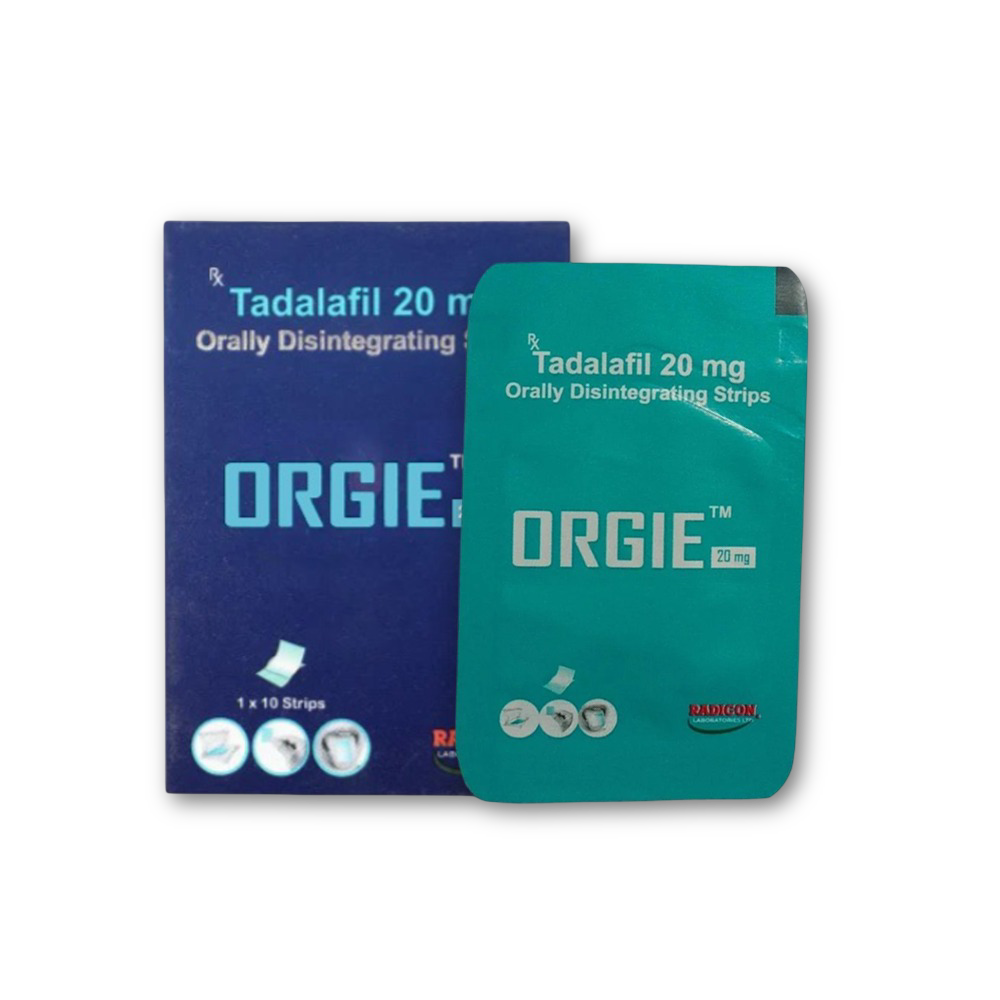
Orgie 20 Mg Tadalafil Oral Strips
Starting at just $1.67 per stripBuy Now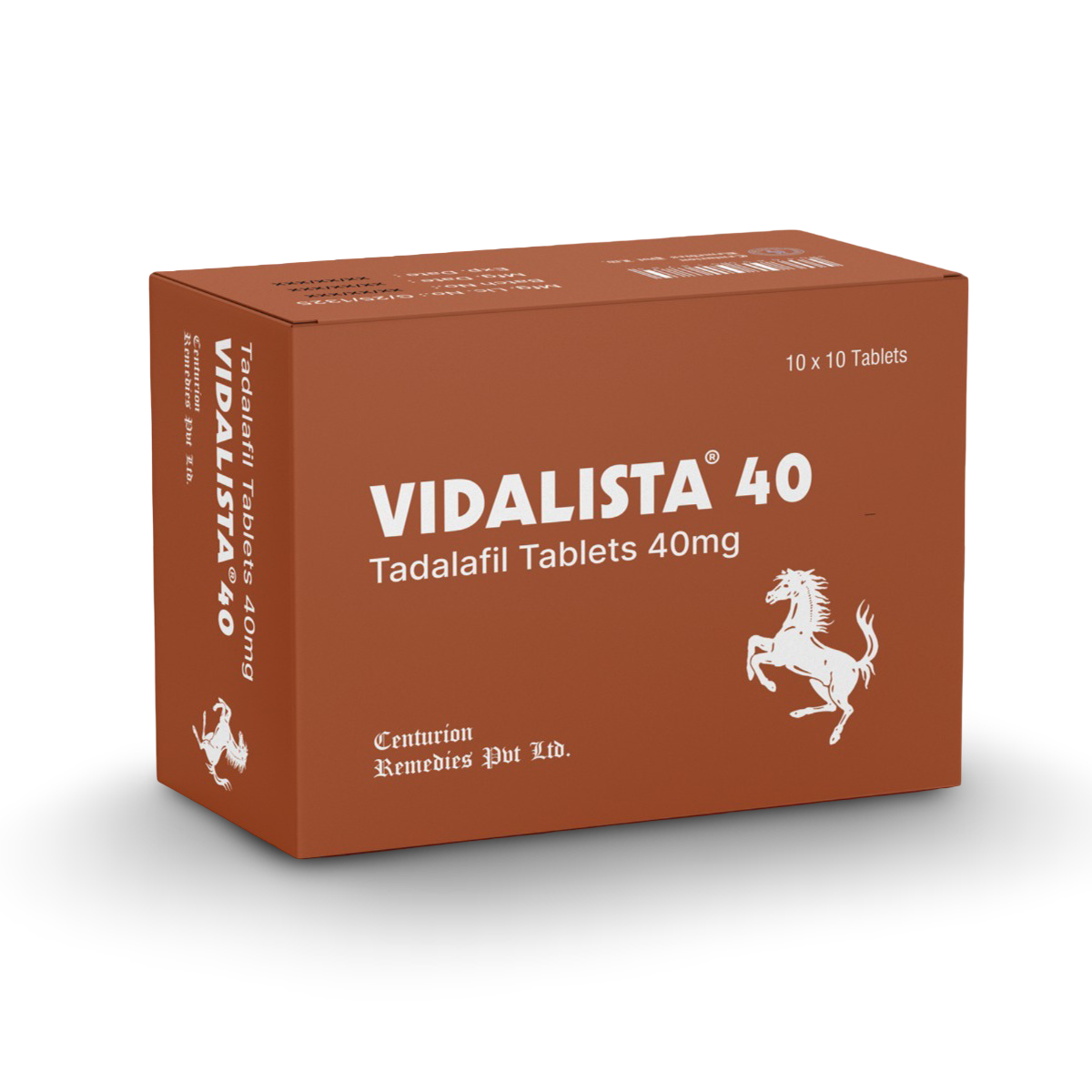
Vidalista 40 mg
Starting at just $0.85 per tabletBuy Now
Cenforce 100 mg
Starting at just $0.65 per tabletBuy NowFor Erectile Dysfunction
For ED, Cialis is available in two dosing approaches: as needed and daily. A doctor will recommend one based on how often you’re sexually active and how your body responds to the medication.
- As needed: The as-needed dose is typically 10 mg, taken around 30 to 60 minutes prior to sexual activity. Depending on your response, your doctor may adjust this to 5 mg or increase it to the maximum dose of 20 mg. This dose should not be taken more than once in 24 hours.
- Daily: The daily dose is lower, usually 2.5 mg or 5 mg, taken at the same time every day regardless of sexual activity. This option works well for men who prefer spontaneity, since it keeps a steady level of the medication in their system.
For Benign Prostatic Hyperplasia (BPH)
For BPH, a condition where the prostate gland becomes enlarged and affects urination, Cialis is prescribed at a fixed daily dose of 5 mg. This dose is taken once a day, regardless of sexual activity, and is meant to be used consistently for ongoing symptom relief rather than as needed.
For ED with BPH
Some men experience both ED and BPH at the same time. In these cases, doctors often prescribe a single daily dose of 5 mg, which is approved for both conditions. This allows for a single, consistent dosing routine rather than separate treatments.
How doctors determine the right Cialis dosage
Although there are standard dosing recommendations, there is no single Cialis dosage that is appropriate for everyone. Healthcare providers consider several individual factors before prescribing or adjusting the dose.
Your medical condition
For Erectile Dysfunction, the choice between as-needed and daily dosing depends largely on how frequently you anticipate sexual activity. In contrast, Cialis for Benign Prostatic Hyperplasia is typically prescribed as a once-daily treatment to provide ongoing relief of urinary symptoms.
Severity of symptoms
Individuals with mild ED often respond well to lower doses, whereas others may require a higher dose to achieve satisfactory results. Similarly, the severity of urinary symptoms may influence ongoing treatment decisions for BPH.
Kidney function
Because tadalafil is cleared from the body partly through the kidneys, reduced kidney function can increase its blood levels. Depending on the degree of kidney impairment, your healthcare provider may prescribe a lower dose, increase the dose interval or recommend avoiding certain dosing regimens.
Liver function
People with mild or moderate liver impairment may require dosage adjustments because the liver plays an important role in metabolizing Tadalafil. Cialis is generally not recommended for individuals with severe liver disease due to limited safety data.
Other medications
Certain medications can interact with Cialis, increasing the risk of side effects or reducing its effectiveness.
Examples include:
- Alpha-blockers prescribed for High Blood Pressure or BPH
- Certain antifungal medications
- Some antibiotics
- HIV protease inhibitors
- Other medicines that affect liver enzymes responsible for metabolizing tadalafil
Depending on the interacting medication, your healthcare provider may adjust your Cialis
dosage or recommend avoiding the combination.
Previous response to treatment
If you’ve previously used Cialis or another PDE5 inhibitor, your healthcare provider will consider how well the medication worked and whether you experienced any adverse effects. Individuals who develop headaches, flushing, back pain, or low blood pressure may benefit from a lower dose, while those who do not achieve adequate improvement may require a dosage adjustment within the approved range.
Age and overall health
Older adults do not automatically require a lower Cialis dosage. However, age-related changes in kidney and liver function, as well as the presence of other medical conditions, may influence the choice of dose. A doctor will assess your overall health rather than age alone when determining the most appropriate treatment plan.
How to take Cialis for the best results
Taking Cialis correctly can make a noticeable difference in how well it works for you. A few practical habits can help:
- Take the as-needed dose about 30 to 60 minutes before sexual activity for the best effect.
- Avoid large, high-fat meals before taking Cialis, as they may delay how quickly it starts working.
- Limit alcohol intake, since excessive alcohol can increase the risk of side effects and reduce effectiveness.
- Stick to your prescribed schedule if you are on the daily dose, even on days you do not plan to be sexually active.
- Give the medication time to work; sexual stimulation is still needed for Cialis to produce an erection.
What to do if you take too much or miss a dose
Taking Cialis as directed helps maximize its benefits while minimizing potential risks. Missing a dose or accidentally taking too much may require different actions depending on your dosing schedule.
Missed dose
If you are on the daily dose schedule and miss it, take it when you remember. If your next dose is approaching, avoid taking the missed dose and take it at the usual time instead. Do not take two doses at once to make up for a missed one.
Overdose
Taking more Cialis than prescribed does not improve results and increases the likelihood of experiencing side effects. Signs of taking too much can include a severe headache, prolonged dizziness, vision changes, or an erection lasting longer than four hours.
When to see a doctor
While Cialis is generally well-tolerated, certain situations require medical attention rather than adjusting the dose yourself. See a doctor if you experience:
- Side effects that persist or worsen over time.
- No improvement in symptoms even after using the recommended dose.
- Chest pain, irregular heartbeat, or fainting during sexual activity.
- Signs of an allergic reaction, including swelling and trouble breathing.
Your doctor can review your current dose, check for interactions with other medications, and determine whether a different dose or treatment approach is more suitable for you.

Conclusion
Cialis is available in multiple strengths to treat Erectile Dysfunction, Benign Prostatic Hyperplasia, or both conditions. The right dosage depends on factors such as the condition being treated, symptom severity, kidney and liver function, other medications, and your overall health.
Cialis may be prescribed as an as-needed dose of 5 mg, 10 mg, or 20 mg for ED, or as a once-daily dose of 2.5 mg or 5 mg for ED and BPH, depending on your condition and your healthcare provider’s recommendation. Taking Cialis exactly as prescribed, avoiding unnecessary dose increases, and knowing how to manage a missed dose or overdose can help ensure safe and effective treatment.
If you have concerns about your current dosage or feel that the medication is not working as expected, speak with your healthcare provider before making any changes. They can evaluate your response to treatment and recommend the most appropriate dosing strategy for your individual needs.
Frequently Asked Questions
Can Cialis work on the first dose?
Yes, Cialis can work on the first dose for many men, especially the as-needed 10 mg dose. However, factors like food intake, alcohol use, and individual response can affect how well it works the first time. If it does not work as expected, consult your doctor before increasing the dose on your own.
Can I switch from daily Cialis to as-needed Cialis?
Yes, but only under your healthcare provider’s guidance. Daily and as-needed Cialis follow different dosing schedules, and switching between them may require adjusting the dose based on your medical condition, treatment goals, and overall health.How long should I continue taking Cialis for BPH?Cialis for Benign Prostatic Hyperplasia is intended for long-term daily use as prescribed by your healthcare provider. Do not stop taking it without medical advice, as urinary symptoms may return after discontinuation.
Is Cialis available as generic Tadalafil?
Yes, Cialis is available as generic Tadalafil, sold under names like Vidalista 20 mg or Tadarise 20 mg. These contain the same active ingredient and work the same way in the body, but cost far less than brand-name Cialis without insurance.
GoodRxMedicine only refers to credible, authoritative sources for our content. If you're curious about how we ensure the integrity of our content, we encourage you to read our Content Information Policy.

Julian Carter is a highly accomplished MBA graduate in Pharmaceutical Management, celebrated for his extensive experience and exceptional skills in the pharmaceutical industry. With a wealth of knowledge and expertise, Julian is a valuable contributor to the field and a trusted voice in pharmaceutical management.
As a contributing writer for Goodrxmedicine.com, Julian is committed to educating and empowering individuals to make informed decisions about their health. His passion for the industry is evident in his work, and his dedication to improving the lives of others through education and empowerment is truly remarkable.
With a reputation for excellence and a track record of success, Julian Carter is a respected and admired figure in pharmaceutical management. His insights and contributions to the field are highly valued, and her expertise has helped shape the direction of the industry for the better.
Through his work as a contributing writer for Goodrxmedicine.com and beyond, Julian continues to make a meaningful impact in the lives of many. His commitment to excellence and dedication to improving the health of individuals and communities around the world make him an inspiration to others in the field.