



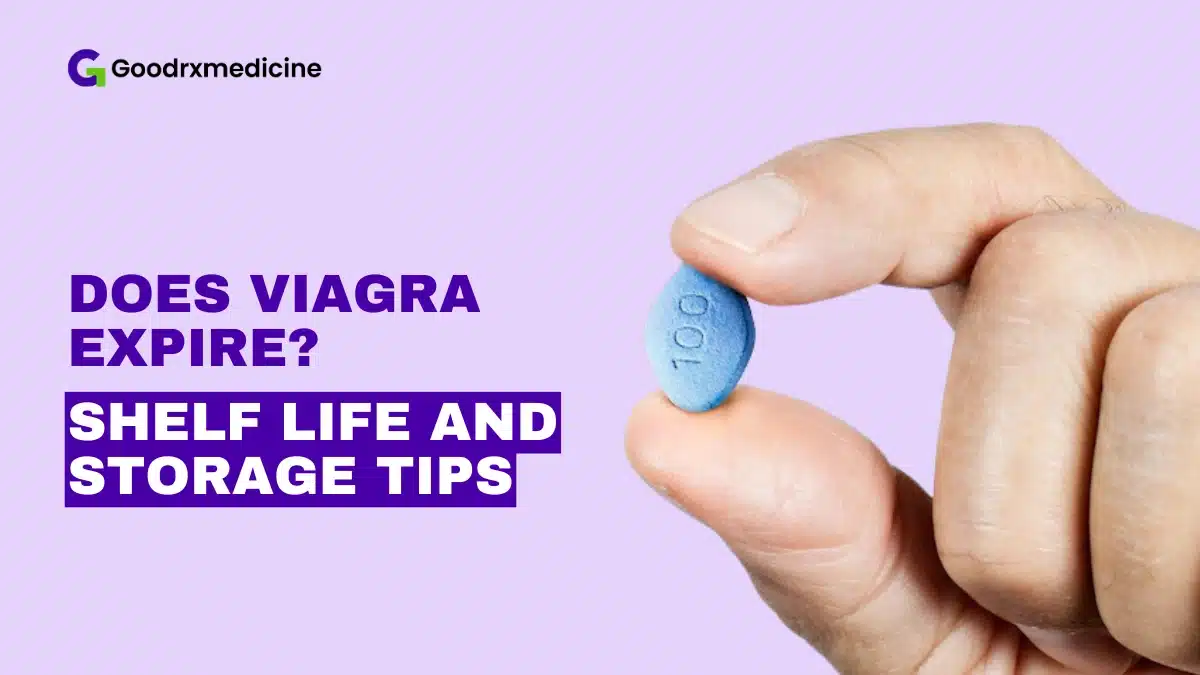
Viagra is one of the most commonly prescribed oral medications used to treat Erectile Dysfunction (ED). It contains FDA-approved Sildenafil Citrate, a Phosphodiesterase type 5 (PDE5) inhibitor that enhances blood flow to the penis during sexual stimulation and helps men achieve and maintain an erection.
Like all prescription medications, Viagra is manufactured with a specific expiration date that reflects how long the medicine is expected to remain stable, safe, and effective when stored under recommended conditions. Over time, environmental factors such as heat and moisture can reduce Sildenafil’s effectiveness by affecting its chemical stability.
Knowing whether Viagra expires, how long it remains effective, and how storage conditions affect the medication is important for maintaining both safety and treatment effectiveness. This article answers does Viagra expire, its shelf life, what happens after Viagra expires, proper storage recommendations, tips to store it safely and safe disposal methods.
Do Viagra pills expire?
Yes, Viagra pills do expire. The expiration date printed on the tablet packaging or bottle is the manufacturer’s official guarantee of how long the medication is expected to remain safe, stable, and fully effective when stored under recommended conditions.
Viagra contains Sildenafil Citrate, which gradually loses its chemical stability and potency over time. After the printed expiration date, the medication may not work as reliably as intended. Poor storage conditions, such as excessive heat, moisture, or damp environments, can also affect the tablet’s quality earlier than expected.
Although expired Sildenafil tablets do not usually become immediately harmful, their effectiveness can become unpredictable over time. Therefore, it is always recommended to check the printed expiry date before taking the medication and avoid using Viagra beyond its labeled expiration period.
Save up to 90% on your medicine bills
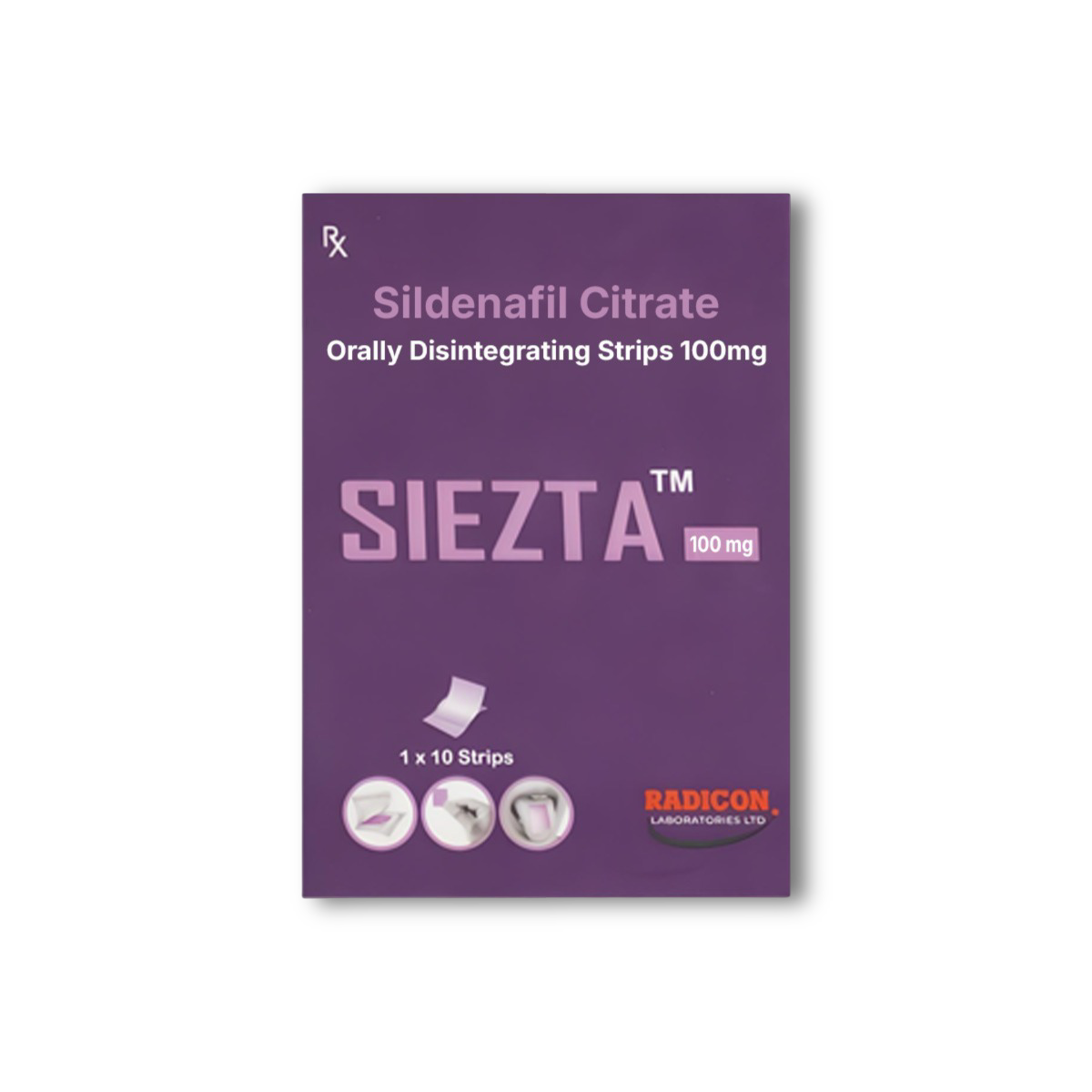
Siezta 100 Mg Sildenafil Oral Strips
Starting at just $1.60 per stripBuy Now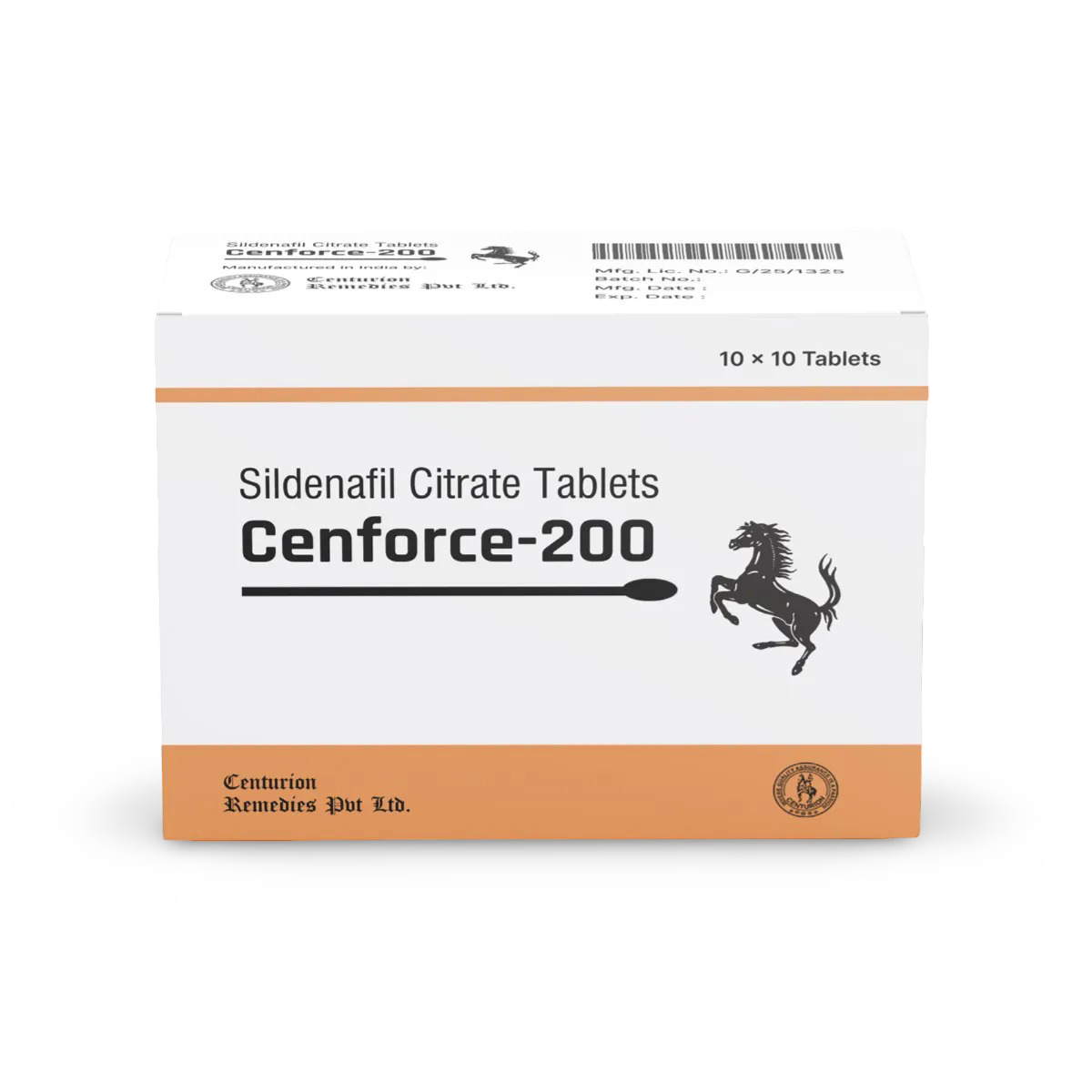
Cenforce 200 mg
Starting at just $0.84 per tabletBuy Now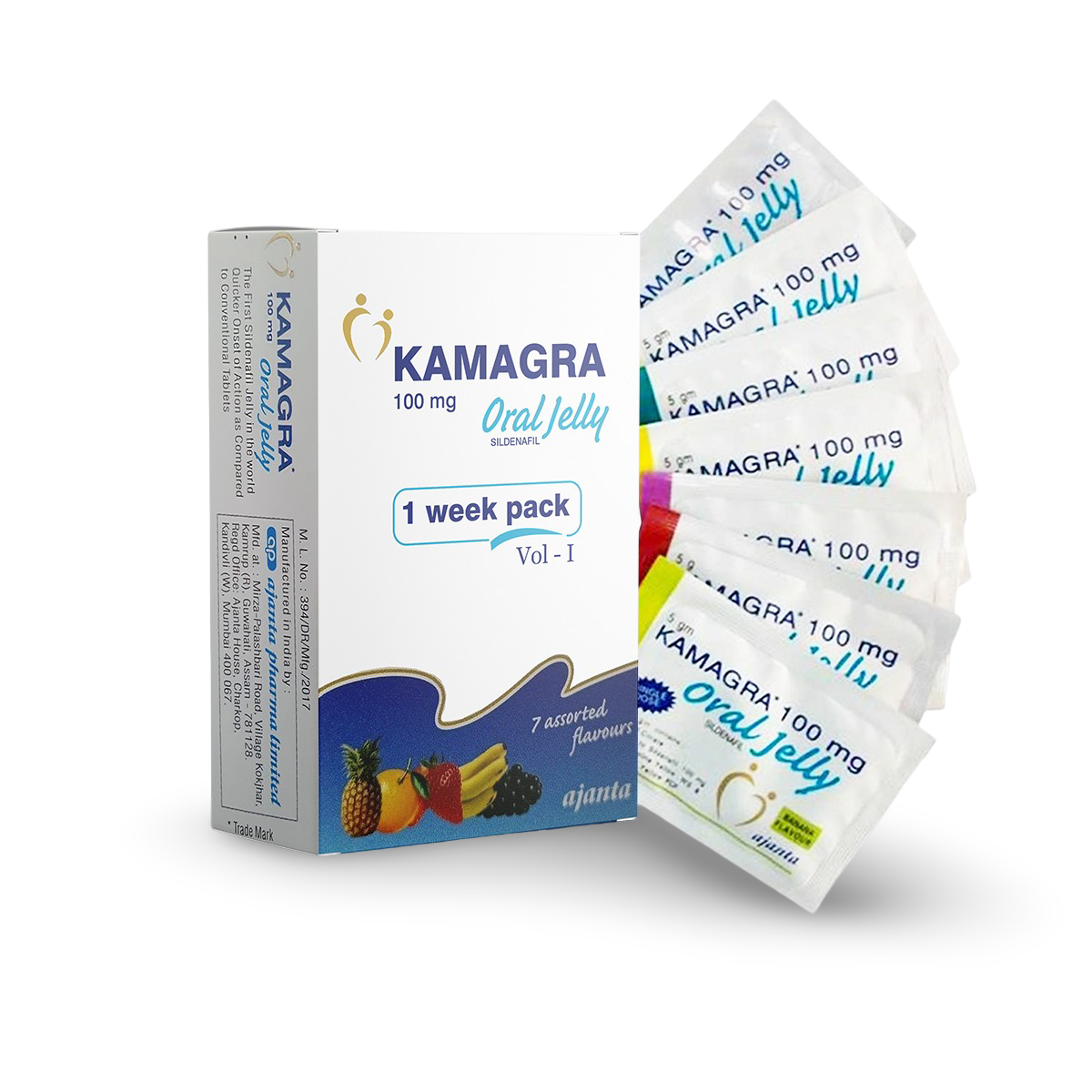
Kamagra Oral Jelly Rx 100 mg
Starting at just $13.12 per tabletBuy Now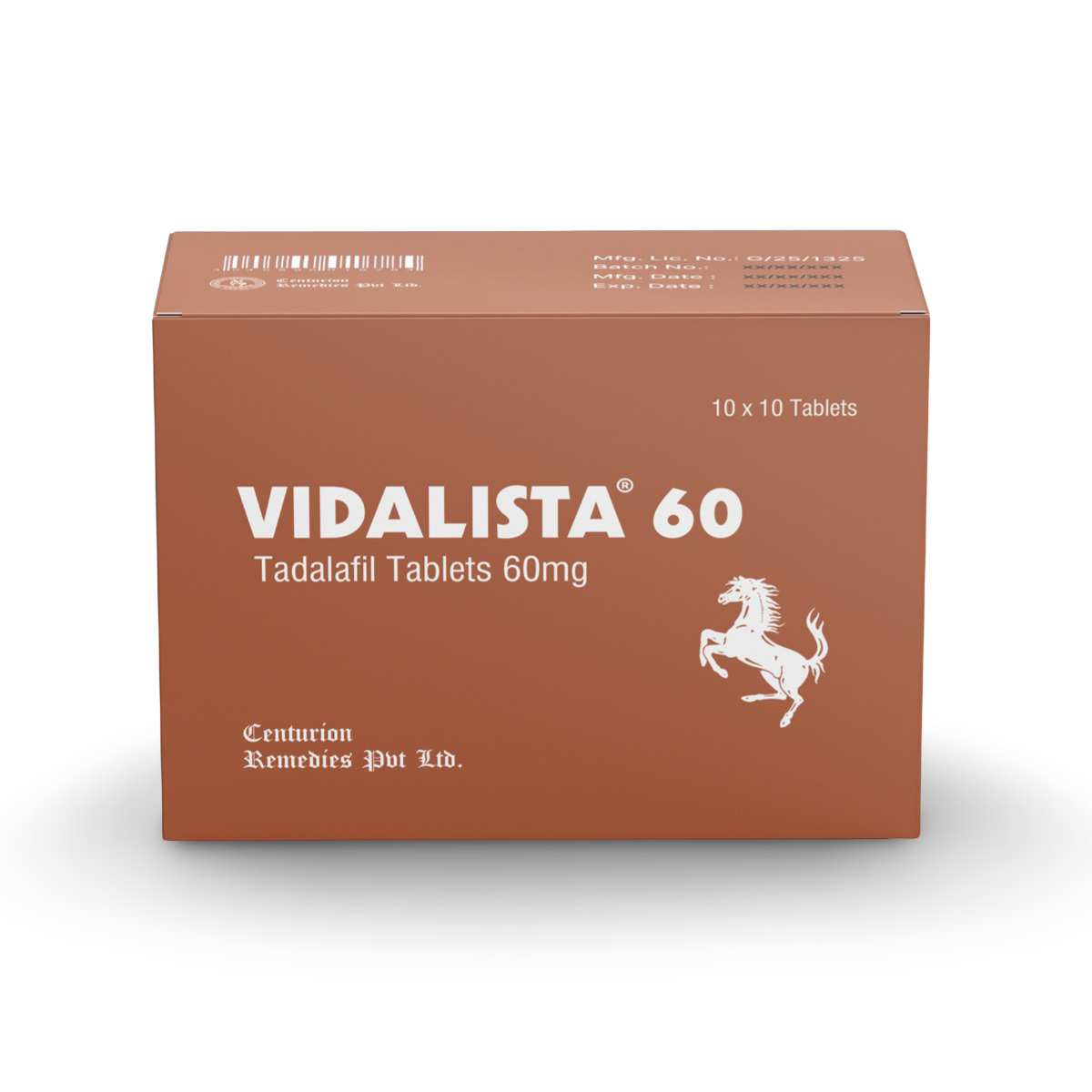
Vidalista 60 mg
Starting at just $0.91 per tabletBuy NowWhat is the shelf life of Viagra?
The shelf life of Sildenafil medications is generally around 2 years when stored under proper conditions. This refers to the period during which the medication, including both brand-name Viagra and its generic form Sildenafil (generic Viagra), is expected to remain fully potent, stable, and effective. However, the exact shelf life of generic Sildenafil products can sometimes vary slightly depending on the manufacturer, formulation, and packaging conditions.
Unlike the expiration date, which is a fixed date printed by the manufacturer on the packaging, shelf life is more closely related to how well the medication maintains its chemical stability over time. Factors such as heat, moisture, humidity, sunlight, air exposure, and packaging conditions can all affect Viagra’s shelf life.
When stored correctly in its original packaging and kept in a cool, dry place, Viagra is generally expected to maintain its stability close to the labeled expiration period. However, improper storage conditions can accelerate chemical breakdown and reduce the medication’s potency sooner than expected. This means the actual stability of Viagra can sometimes extend slightly beyond or reduce before the printed expiration date if it is exposed to heat, moisture, or sunlight.
What happens after Viagra expires?
After Viagra expires, both its chemical composition and effectiveness begin to decline, which can lead to reduced potency or a decrease in strength and visible physical changes in the tablets over time. Expired Viagra can show possible signs of degradation in the following ways:
- Color changes: Tablets may yellow or develop brown spots.
- Texture alterations: Pills might become harder or crumbly or develop surface cracks.
- Odor differences: A vinegar-like or unusual smell indicates chemical breakdown.
- Coating damage: The film coating may separate or appear patchy.
Such changes indicate chemical instability in the tablet, rendering the medication no longer fully reliable for use.
Why expired Viagra should not be used
Using expired Viagra is generally not recommended because Sildenafil gradually breaks down over time, reducing the medications stability, potency, and reliability. As the chemical composition changes after expiration, the tablets may not work as effectively as intended. Even degree of potency loss varies; one expired pill might retain 80% effectiveness, while another from the same batch could be at 40%.
The following risks are commonly associated with expired Viagra:
- Reduced and unreliable effectiveness: Expired Viagra will not work as expected because Sildenafil loses strength over time. This can lead to little or no improvement in erection quality, and in some cases, the same dose may produce different or inconsistent results each time it is used.
- Increased risk of side effects: Chemical degradation may alter how the medication interacts with the body, which can increase the likelihood of side effects such as headache, nausea, indigestion, flushing, or vision disturbances.
How to safely dispose of expired Viagra
Expired Viagra should be disposed of properly to prevent accidental use, misuse, or environmental contamination. Keeping expired Sildenafil tablets at home increases the risk of taking ineffective medication or accidental exposure in children and pets.
The following methods are commonly recommended for the safe disposal of expired Viagra:
- Follow local disposal guidelines: Some areas provide specific instructions for disposing of medications through household waste systems or community collection sites.
- Avoid flushing medications: Viagra tablets should not be flushed down the toilet, as pharmaceutical chemicals can contaminate water systems.
- Use a medicine take-back program: Drug take-back programs or pharmacy disposal services are considered the safest option for disposing of expired medications. The Drug Enforcement Administration (DEA) also conducts National Prescription Drug Take-Back Days for safe disposal of expired medication.
If the take-back option is not available, mix the tablets with used products such as used coffee grounds or cat litter, place the mixture in a sealed bag, and dispose of it in household trash according to local regulations.
Tips to store Viagra safely
Proper storage helps maintain Viagra’s stability, effectiveness, and shelf life. The following storage recommendations can help protect Sildenafil tablets from heat, moisture, and environmental damage:
- Temperature control: Store Sildenafil pills at room temperature, ideally between 68-77°F (20-25°C). Keep away from high temperatures and freezing conditions.
- Humidity protection: Keep Viagra in a dry environment, as excess moisture and humidity can accelerate tablet degradation. Bathrooms are generally not recommended for medication storage.
- Light protection: Store the medication in a dark place like a cabinet or drawer, away from sunlight exposure and other sources of excessive light.
- Original packaging: Keep Sildenafil tablets in the original bottle or blister packaging provided by the pharmacy to help maintain stability and reduce environmental exposure.
- Secure sealing: Ensure the container is tightly closed after each use to limit air and moisture from entering.
- Child and pet safety: Store Viagra in a secure place that remains inaccessible to children and pets.
- Travel precautions: During travel, keep Viagra protected from extreme temperature changes and excessive humidity.
Conclusion
Viagra contains Sildenafil Citrate as its active ingredient, and it is commonly prescribed to treat Erectile Dysfunction. Like all medications, Viagra does expire and has a shelf life of around 2 years when stored properly under recommended conditions. Over time, the medication gradually loses stability and effectiveness, particularly when stored under improper conditions.
Expired Viagra may become less effective due to chemical degradation, reduced potency, and changes in tablet quality. Factors such as heat, moisture, humidity, and direct sunlight can further accelerate this breakdown process.
Proper storage and checking the expiration date before consumption are important for maintaining the quality, safety, and treatment effectiveness.

Frequently Asked Questions
What happens if you take expired Viagra?
After taking expired Viagra, you will most likely get reduced or no effect as the active ingredient breaks down over time. It can lead to reduced effectiveness and possible side effects such as headache, dizziness, or nausea.
How do you take Viagra for the best results?
For best results, you should take Viagra about 30 to 60 minutes before sexual activity. Swallow the tablet with a glass of water, and avoid splitting or crushing it. It works when you are sexually stimulated. Avoid heavy or high-fat meals before taking it, as they can delay absorption and reduce effectiveness.
What is the best substitute for Viagra?
The best substitute for Viagra depends on individual needs, health conditions, and how long the effects are desired. Common alternatives include Cialis, which lasts longer (36 hours), and Stendra, which starts working faster (15-30 minutes). A doctor can recommend the most suitable option based on a patient’s medical history and treatment response.
Does splitting Viagra tablets affect their expiration date?
No, splitting a Viagra tablet does not change its expiration date because that date is fixed by the manufacturer. However, once a tablet is split, its shelf life after opening may shorten due to exposure to air, moisture, heat, and light, especially if the remaining half is stored improperly.
Does liquid Viagra expire?
Yes, liquid Viagra expires much faster than tablets, typically within 6-12 months. Liquid formulations require refrigeration and are more vulnerable to contamination. Always verify storage requirements and expiration dates with your pharmacist when receiving liquid preparations to ensure safety and effectiveness.
GoodRxMedicine only refers to credible, authoritative sources for our content. If you're curious about how we ensure the integrity of our content, we encourage you to read our Content Information Policy.

Julian Carter is a highly accomplished MBA graduate in Pharmaceutical Management, celebrated for his extensive experience and exceptional skills in the pharmaceutical industry. With a wealth of knowledge and expertise, Julian is a valuable contributor to the field and a trusted voice in pharmaceutical management.
As a contributing writer for Goodrxmedicine.com, Julian is committed to educating and empowering individuals to make informed decisions about their health. His passion for the industry is evident in his work, and his dedication to improving the lives of others through education and empowerment is truly remarkable.
With a reputation for excellence and a track record of success, Julian Carter is a respected and admired figure in pharmaceutical management. His insights and contributions to the field are highly valued, and her expertise has helped shape the direction of the industry for the better.
Through his work as a contributing writer for Goodrxmedicine.com and beyond, Julian continues to make a meaningful impact in the lives of many. His commitment to excellence and dedication to improving the health of individuals and communities around the world make him an inspiration to others in the field.