


Prostate orgasms are often described as one of the most pleasurable forms of male orgasm, yet they remain far less talked about than penile orgasms. Many men are curious about how they feel, what makes them different, and whether everyone can experience one.
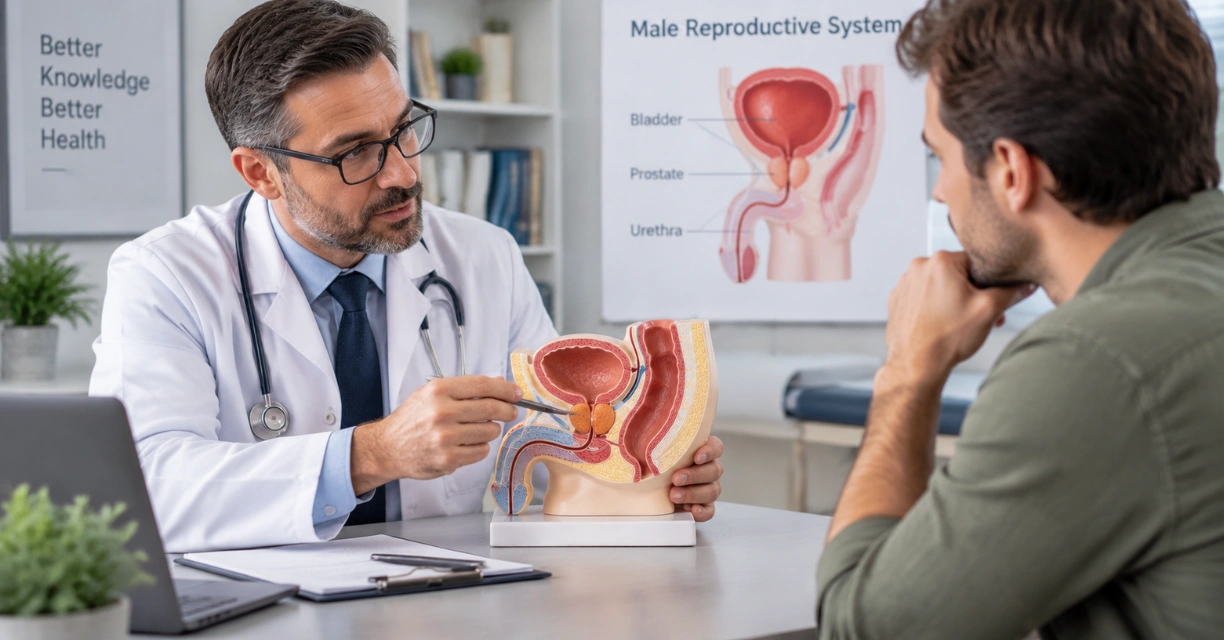
A prostate orgasm involves stimulating the prostate, a small walnut-sized gland located just below the bladder and in front of the rectum. Although its primary role is to produce fluid that forms part of semen, the prostate also contains numerous nerve endings involved in sexual pleasure. Due to this, it is sometimes referred to as the male G-spot or P-spot.
Many men describe prostate orgasms as feeling more intense than penile orgasms, but the exact sensations and intensity can vary. This article explains what does a prostate orgasm feel like, how to stimulate the prostate safely, and when it should be avoided.
What does it feel like to have a prostate orgasm?
A prostate orgasm often feels more intense and a full-body experience than a typical penile orgasm. Some of the most commonly reported sensations are as follows:
- A deep internal feeling of pleasure: Many men describe prostate stimulation as creating pressure deep inside the pelvis that gradually changes into pleasurable sensations.
- A slower build-up to climax: Unlike penile stimulation, pleasure often develops gradually before reaching orgasm.
- More intense pelvic muscle contractions: During climax, the pelvic floor muscles contract rhythmically, in strong pulsing waves, which can make the orgasm feel stronger.
- Whole-body tingling or warmth: Some men experience pleasurable sensations that extend beyond the genital area and spread throughout the body.
- A longer-lasting orgasm: Compared with a typical penile orgasm, some men report that prostate orgasms last longer or occur in several waves.
- Dry or ejaculatory orgasm: A prostate orgasm can occur with ejaculation, and sometimes without ejaculation, also called a dry orgasm, where little or no semen is released.
- A deep sense of relaxation afterward: After a prostate orgasm, some men report feeling deeply relaxed, physically satisfied, or emotionally calm. This feeling can persist for several minutes and, in some cases, hours.
The exact sensation differs between individuals. Some men experience only mild pleasure, while others report very intense orgasms. Likewise, some men never achieve a prostate orgasm despite repeated attempts, and some do not find them comfortable. All of these are completely normal.

How can you experience a prostate orgasm?
To have a prostate orgasm, the right preparation and stimulation techniques are important to make the experience safer and more comfortable. Taking things slowly, maintaining good hygiene, and listening to your body’s responses are important throughout the process. Here’s how you can stimulate the prostate for an orgasm:
- Prepare for stimulation: Wash your hands thoroughly before stimulation. If using your fingers, trim and smooth your fingernails to reduce the risk of scratching the delicate rectal lining.
- Use plenty of lubricant: Apply a generous amount of water-based lubricant to your finger and around the anus. Lubrication reduces friction, making insertion more comfortable and lowering the risk of small tears.
- Insert slowly and gently: Relax your pelvic muscles and insert your finger gradually without forcing it. The prostate is usually located about 5-8 cm (2-3 inches) inside the rectum toward the front of the body.
- Stimulate the prostate gently: Once you locate the prostate, use slow, gentle pressure to massage the prostate rather than fast or forceful movements. Experiment with different motions and pressure. Stop immediately if you experience pain or significant discomfort.
- Try external stimulation: Gently massage the perineum (the area between the scrotum and anus) with your fingers or tongue. Some men find that combining this with penile stimulation provides enough indirect prostate stimulation to achieve orgasm.
- Use the right prostate toy: If using a prostate massager, choose one specifically designed for prostate or anal use with a flared base to prevent it from becoming lodged inside the rectum.
- Find a comfortable position: Positions such as lying on your back with your knees bent, lying on your side, or kneeling can make prostate stimulation easier and more comfortable.
- Communicate with your partner: If prostate stimulation is part of partnered sexual activity, discuss comfort levels and use feedback throughout the experience. Also, use a condom or latex glove to reduce the chances of infection and friction. Stop if anything feels uncomfortable.
Although some men achieve a prostate orgasm through prostate stimulation alone (sometimes called a hands-free prostate orgasm), many require simultaneous penile stimulation. If you do not have an orgasm despite proper stimulation, stop and try again another time rather than increasing pressure or continuing forcefully.
When should prostate stimulation be avoided?
Prostate stimulation is not suitable for everyone. It should generally be avoided until a healthcare professional has been consulted if you have:
- Acute Prostatitis (infection or inflammation of the prostate)
- Urinary Tract Infections
- Painful hemorrhoids
- Anal fissures
- Recent prostate, rectal, or colorectal surgery
- Unexplained rectal bleeding
- Severe pelvic or rectal pain
Also, avoid prostate stimulation if you have an upcoming Prostate-specific Antigen (PSA) test in 48 hours, as it may temporarily raise PSA levels and affect the test results. Stop immediately if you develop pain, persistent bleeding, fever, or urinary symptoms afterward, as these may require medical evaluation.
Conclusion
A prostate orgasm often feels deep, intense, and a full-body experience, although the exact sensations differ from person to person. Some men experience gradual waves of pleasure, stronger pelvic muscle contractions, or longer-lasting orgasms, while others feel only mild sensations or never achieve a prostate orgasm despite repeated attempts.
If you want to explore prostate stimulation, taking a slow and gentle approach, using plenty of lubricant, maintaining good hygiene, and avoiding forceful stimulation can help make the experience safer and more comfortable. It is equally important to stop if you experience pain or significant discomfort.
Avoid prostate stimulation if you have certain medical conditions, like Acute Prostatitis or have had recent prostate or rectal procedures. By understanding what to expect and following safe practices, you can explore prostate stimulation more comfortably while reducing the risk of injury.
Frequently Asked Questions
Can prostate stimulation improve sexual health?
No, current scientific evidence does not show that prostate stimulation improves sexual health. It has not been proven to improve erections, fertility, testosterone levels, or overall prostate health. However, some men report greater sexual pleasure, more intense orgasms and better urine flow. More research is needed to confirm any long-term health benefits.
Are there any risks associated with prostate stimulation?
Yes, potential risks associated with prostate stimulation include pain, minor bleeding, rectal tears, infection, and irritation, particularly if excessive force, inadequate lubrication, or unsuitable objects are used. These risks can usually be reduced by following safe stimulation practices like maintaining hygiene and using proper technique.
How long does it take to have a prostate orgasm?
There is no fixed timeframe to have a prostate orgasm. Some men may experience a prostate orgasm within 15-30 minutes, while others require multiple attempts or never achieve one despite adequate stimulation. Individual anatomy, experience, relaxation, and stimulation techniques all influence the outcome.
Is a prostate massage only done for sexual pleasure?
No, a prostate massage is not performed only for sexual pleasure or orgasm. Healthcare professionals may sometimes perform it for specific medical purposes, such as obtaining or draining prostatic fluid. However, it is not a standard medical treatment.
Citations
GoodRxMedicine only refers to credible, authoritative sources for our content. If you're curious about how we ensure the integrity of our content, we encourage you to read our Content Information Policy.
How useful was this post?
Click on a star to rate it!
No votes so far! Be the first to rate this post.
Julian Carter is a highly accomplished MBA graduate in Pharmaceutical Management, celebrated for his extensive experience and exceptional skills in the pharmaceutical industry. With a wealth of knowledge and expertise, Julian is a valuable contributor to the field and a trusted voice in pharmaceutical management. As a contributing writer for Goodrxmedicine.com, Julian is committed to educating and empowering individuals to make informed decisions about their health. His passion for the industry is evident in his work, and his dedication to improving the lives of others through education and empowerment is truly remarkable. With a reputation for excellence and a track record of success, Julian Carter is a respected and admired figure in pharmaceutical management. His insights and contributions to the field are highly valued, and her expertise has helped shape the direction of the industry for the better. Through his work as a contributing writer for Goodrxmedicine.com and beyond, Julian continues to make a meaningful impact in the lives of many. His commitment to excellence and dedication to improving the health of individuals and communities around the world make him an inspiration to others in the field.
Learn MoreDr. James Mitchell is a board-certified physician with 18+ years of clinical experience in Sexual Medicine and Reproductive Health. He helps patients navigate intimate health concerns through medically sound guidance and compassionate, patient-centered care.
Learn More