


Erectile Dysfunction (ED), also known as Impotence, is one of the most common sexual health conditions among males. It occurs when a man repeatedly has difficulty getting or maintaining an erection firm enough for intercourse.
While occasional erection problems are common and usually not a concern, persistent ED can affect sexual confidence, relationships, and overall quality of life. It can occur due to factors, including underlying health conditions, stress, and even injuries.
This article discusses everything about ED in detail, including its symptoms, causes, risks, and diagnosis. It also lists available treatment options as well as management tips to help you reduce the risk of ED and preserve erectile function.
What is Erectile Dysfunction and its symptoms?
Erectile Dysfunction is the persistent difficulty or inability to get or maintain an erection for satisfactory intercourse. Some of the common symptoms of ED include:
- Difficulty getting an erection despite sexual arousal or stimulation.
- Trouble maintaining an erection long enough for satisfactory sexual activity.
- Reduced firmness of erections.
- Reduced frequency of spontaneous or morning erections.
As a secondary symptom, it can also decrease sexual desire by reducing confidence due to poor erections and fear of not satisfying the partner.
Save up to 90% on your medicine bills
Types of ED based on causes
Erectile Dysfunction is commonly characterized into different types based on the underlying causes, including:
- Vascular ED: This is the most common type and occurs when reduced penile blood flow makes it difficult to get or maintain an erection. It is often associated with conditions such as High Blood Pressure, Diabetes, and cardiovascular disease.
- Neurogenic ED: This type of Erectile Dysfunction occurs when nerve damage interferes with the signals between the brain and the penis. It may develop due to Spinal Cord Injuries (SCIs), Stroke, Multiple Sclerosis, Parkinson’s Disease, or Diabetic Neuropathy (nerve damage caused by Diabetes).
- Hormonal ED: Low Testosterone or other hormonal imbalances, such as thyroid, can reduce sexual desire and contribute to erection problems.
- Medication-induced ED: It occurs when certain medicines interfere with blood flow, hormone levels, or nerve function involved in achieving an erection. Antidepressants, including Selective Serotonin Reuptake Inhibitors (SSRIs), blood pressure medicines like beta-blockers, and medicines for prostate conditions like alpha-blockers, are known to contribute to erectile issues.
- Psychogenic ED: This type is primarily linked to psychological factors like stress, Anxiety, Depression, relationship difficulties, or Performance Anxiety. It can occur even when there is no physical problem affecting erections.
- Mixed ED: Many men experience a combination of physical and psychological factors. For example, a medical condition may initially cause erection problems, while Anxiety about sexual performance can make the condition worse over time.
Besides cause-based classification, ED can also be categorized as mild, moderate, or severe, according to the severity of the symptoms.
Risk factors for Erectile Dysfunction
Most risk factors for ED overlap with its underlying causes, including medical conditions such as Diabetes and heart disease and psychological factors like stress or Anxiety. However, some additional factors can further increase the likelihood of developing erectile issues, including:
- Substance abuse: Recreational drug use like opioids, smoking, and alcohol consumption in excess can cause damage to the penile blood vessels and reduce the blood flow needed for an erection.
- Obesity: Excess body weight impairs blood circulation and increases the risk of conditions such as Diabetes and Low Testosterone, all of which can contribute to ED.
- Physical inactivity: A sedentary lifestyle is significantly associated with poor cardiovascular health and reduced blood circulation, increasing the risk of erection issues.
- Advancing age: The risk of developing ED increases with age, especially after 40, because chronic health conditions and age-related changes become more common.
- Poor sleep: Long-term sleep deprivation or sleep disorders can affect hormone levels, energy, and overall sexual function, making erectile issues more likely.
How is Erectile Dysfunction Diagnosed?
Diagnosing ED involves identifying both the erection problem and any underlying physical or psychological causes. A healthcare professional can use one or more of the following to diagnose the condition:
- Medical and sexual history: The doctor will ask about your symptoms, medical conditions, medications, lifestyle habits, and sexual history to understand when the problem started and what may be causing it.
- Physical examination: A physical exam can include checking the penis, testicles, blood pressure, and signs of hormonal or nerve-related conditions.
- Blood tests: These help detect conditions such as Diabetes, High Cholesterol, Low Testosterone, thyroid disorders, or other health issues that may contribute to ED.
- Urine tests: A urine sample may be used to check for underlying medical conditions like kidney disease or Diabetes.
- Penile Doppler ultrasound: This imaging test evaluates blood flow to the penis and might be recommended if a vascular cause is suspected or before certain treatments.
- Psychological evaluation: If stress, Anxiety, Depression, or relationship problems are suspected, your healthcare provider can ask related questions or recommend a mental health assessment.
Treatment for Erectile Dysfunction

A doctor can recommend a suitable treatment for ED based on its underlying cause, severity, overall health, and individual preferences. In many cases, a combination of medications, lifestyle changes, or other therapies provides the best results.
Oral ED medications
These FDA-approved prescription medicines are usually the first-line treatment for ED and belong to the class of Phosphodiesterase 5 (PDE5) inhibitors. Oral ED pills improve penile blood flow by increasing Nitric Oxide (NO) levels and preventing the breakdown of cyclic Guanosine Monophosphate (cGMP) molecules, which helps relax and widen blood vessels.
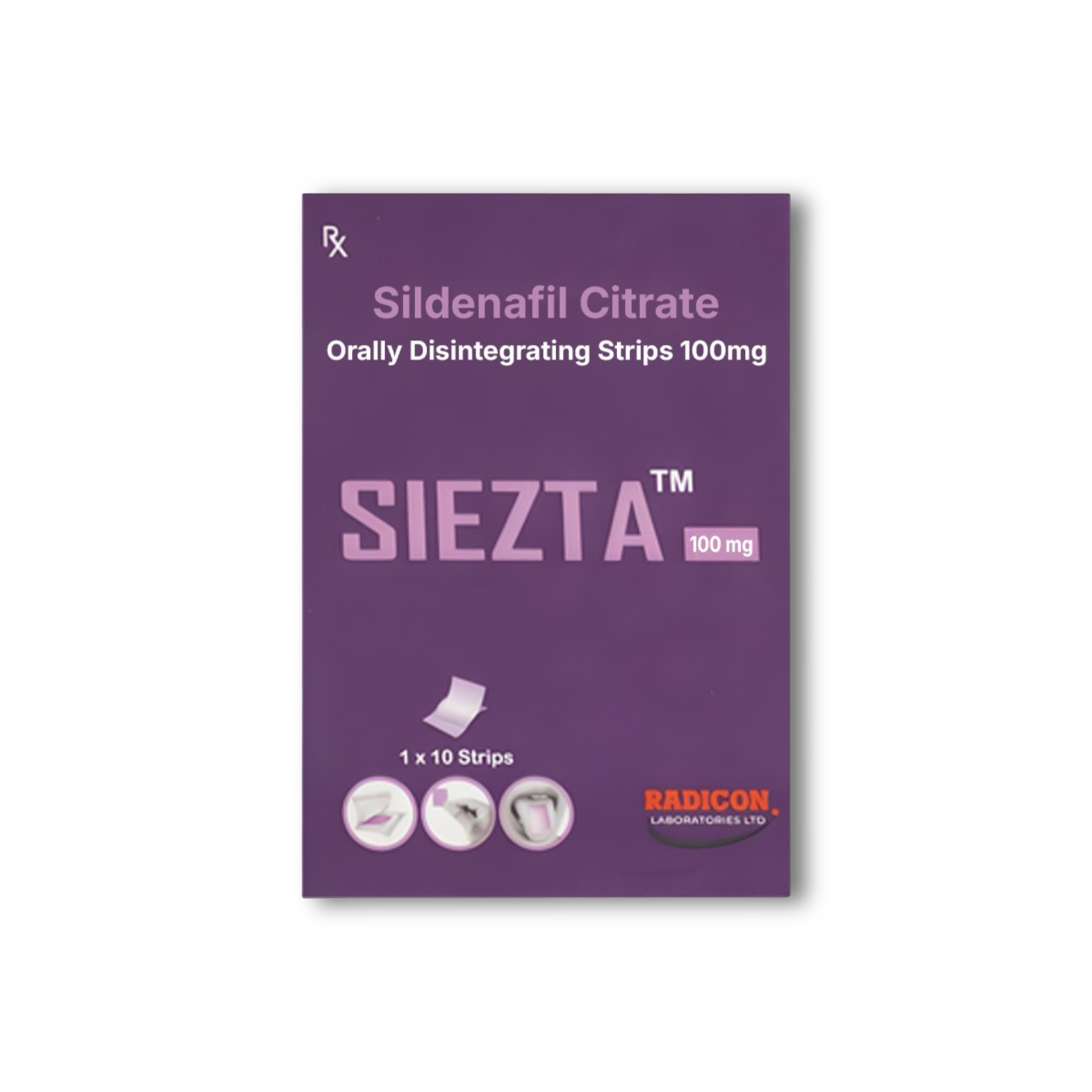
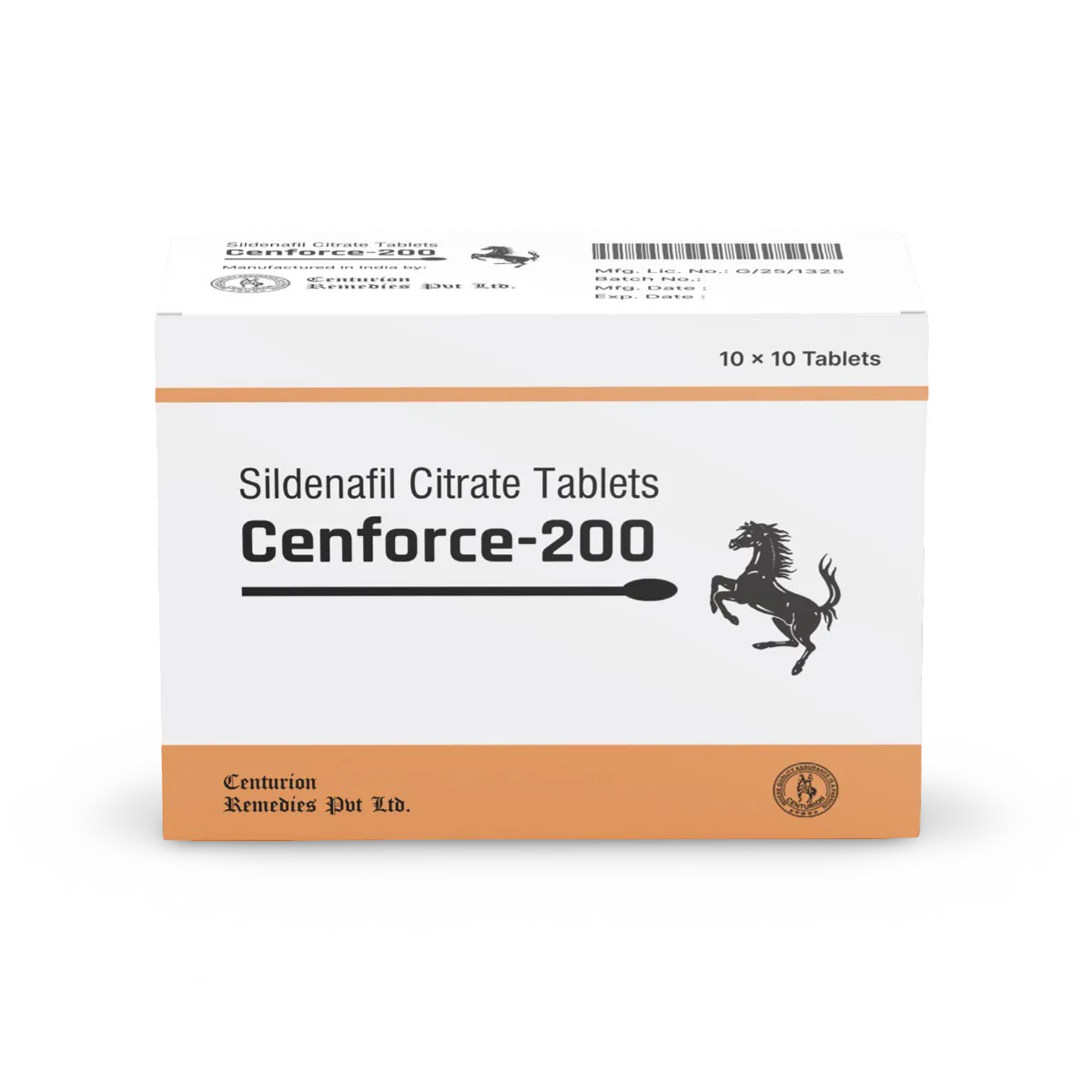
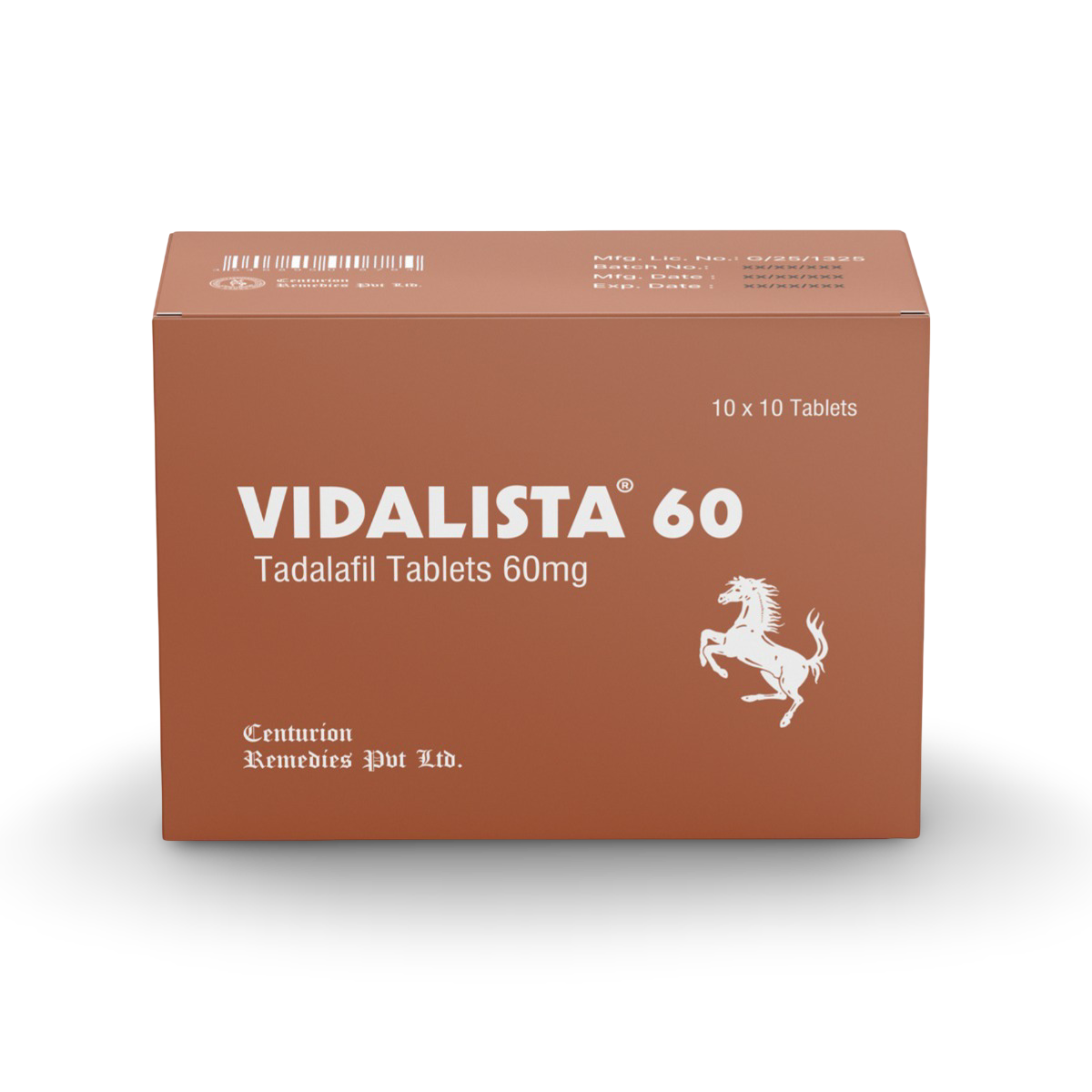
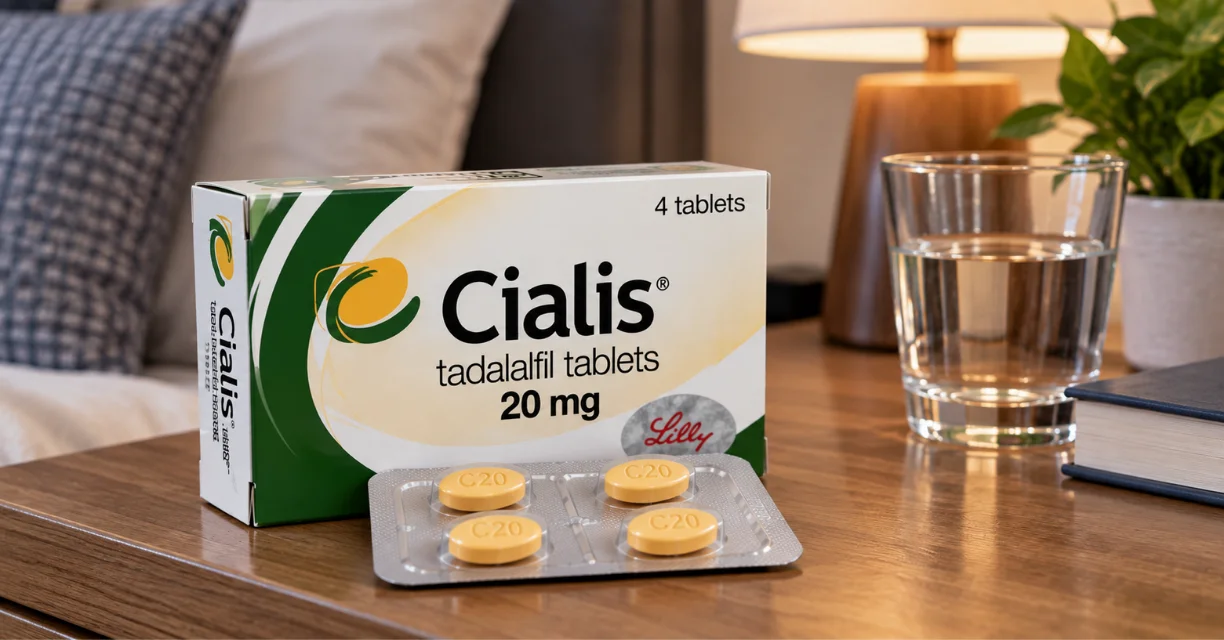
This makes it easier to get and maintain a firm erection during sexual stimulation. Common FDA-approved options include Sildenafil, Tadalafil, Vardenafil, and Avanafil.
Injectable medications
If oral medications are ineffective or unsuitable, a doctor can prescribe medicines such as Alprostadil. They are injected directly into the side of the penis to produce an erection. Although highly effective, this treatment requires proper instruction to ensure safe use.
Vacuum erection devices
A Vacuum Erection Device (VED) or vacuum pump uses gentle suction to draw enough blood into the penis. Once an erection is achieved, a tension ring is placed securely at the base of the penis to maintain it during sexual activity.
Testosterone Replacement Therapy (TRT)
If ED is caused by confirmed Low Testosterone levels, Testosterone Replacement Therapy can help improve hormone levels and sexual function. However, it is not recommended for men with normal testosterone levels.
Penile implants
For men with severe ED that does not respond to other treatments, surgically implanted penile implants can be considered by the doctor. These devices provide a reliable way to achieve an erection and generally have high satisfaction rates.
Psychological counselling
Counseling or sex therapy may benefit men whose erectile issues are linked to stress, Anxiety, Depression, or relationship concerns. It can also be combined with medical treatment when a combination of physical and psychological factors contributes to ED.
Emerging therapies
Some newer treatments are also being studied for their potential role in managing ED. While early findings are encouraging, more high-quality research is needed before these therapies can be routinely recommended and approved. Some of the emerging options include:
- Low-intensity shockwave therapy (LiSWT): It uses low-energy sound waves to stimulate new blood vessel growth and boost blood flow to the penis. It may benefit some men with vascular ED.
- Platelet-rich plasma (PRP) therapy: This therapy involves injecting a portion of your own blood in concentrated form, rich in growth factors, into the penis with the aim of promoting tissue repair.
- Stem cell therapy: It involves the use of stem cells to potentially regenerate damaged blood vessels, nerves, or erectile tissue.
Managing Erectile Dysfunction
While preventing or reversing ED completely is not possible, there are several ways to manage it and reduce its risks. Some of them include:
- Exercise regularly: Try moderate exercise for at least 150 minutes each week, such as brisk walking or cycling. Include strength training twice weekly to support blood flow and testosterone levels.
- Follow a heart-healthy diet: Fill half your plate with vegetables, choose whole grains over refined carbohydrates, eat lean proteins, and include healthy fats from nuts, seeds, olive oil, and fish. Limit processed foods and sugary drinks.
- Maintain a healthy weight: If overweight, losing just 5-10% of your body weight may improve blood flow, hormone balance, and erectile function.
- Avoid smoking and alcohol: If you smoke, seek help to quit. Limit alcohol to no more than two drinks per day for men, as excessive drinking can interfere with erections.
- Keep chronic conditions under control: Take medicines as prescribed, regularly monitor your blood sugar and blood pressure, and attend routine follow-up appointments to reduce blood vessel and nerve damage.
- Manage stress: Practice relaxation techniques like yoga, deep breathing or meditation for 10-20 minutes daily, stay socially connected, and seek counseling if stress, Anxiety, or Depression persists.
- Get enough sleep: Aim for 7-9 hours of daily sleep by maintaining a consistent sleep schedule and avoiding screens and caffeine around bedtime.
- Review your medications: If erection problems begin after starting a new medicine, speak with your doctor about possible alternatives or dose adjustments. Do not stop prescribed medications without medical advice.
When to see a doctor?
If you are experiencing only occasional difficulty in getting or maintaining erections, it usually does not require medical attention. However, the following signs indicate ED and need medical evaluation:
- Erectile difficulties persist for weeks or occur repeatedly.
- There is a sudden erectile difficulty after normal function.
- Erection issues are accompanied by low sex drive or fatigue.
- Poor erections are affecting your confidence, mental health, or relationship.
- Additional symptoms like pain or discharge are observed.

Conclusion
Erectile Dysfunction is a sexual health condition that affects a man’s ability to get or maintain an erection. It can develop due to physical health conditions like Diabetes, psychological factors like stress, certain medications like SSRIs, or a combination of these.
While many of its risk factors overlap with its causes, lifestyle habits like smoking, excessive alcohol consumption, and Obesity, can further increase the risk. Its diagnosis typically involves a medical history, physical examination, blood tests, and other investigations to identify the underlying cause.
Treatment of ED depends on the underlying cause and includes options like oral medications like Sildenafil, VEDs, injectable medicines and surgery. Alongside these, adopting healthy habits like stress management, physical activity, and proper sleep can help reduce the risk of ED.
However, persistent or worsening symptoms should always be evaluated by a qualified medical professional, as they may indicate an underlying medical condition. With the right approach, most men with ED can achieve significant improvement in both their sexual health and overall quality of life.
Frequently Asked Questions
Can Erectile Dysfunction and Premature Ejaculation occur together?
Yes, ED and Premature Ejaculation can occur together, and one condition may contribute to the other. For example, Anxiety about maintaining an erection may lead to early ejaculation, while repeated Premature Ejaculation can increase stress and contribute to erectile problems. Proper evaluation helps identify and treat both conditions effectively.
Can Erectile Dysfunction be cured?
Whether ED can be cured depends on the underlying cause. Erectile Dysfunction caused by temporary factors such as stress, certain medications, or unhealthy lifestyle habits may improve once the cause is addressed. For chronic conditions, treatment can effectively manage symptoms and restore sexual function in many men.
Can Erectile Dysfunction affect fertility?
No, ED does not directly affect sperm production or fertility. However, difficulty achieving or maintaining an erection may make sexual intercourse challenging, which can reduce the chances of conception.
Are generic Erectile Dysfunction pills as effective as brand medicines?
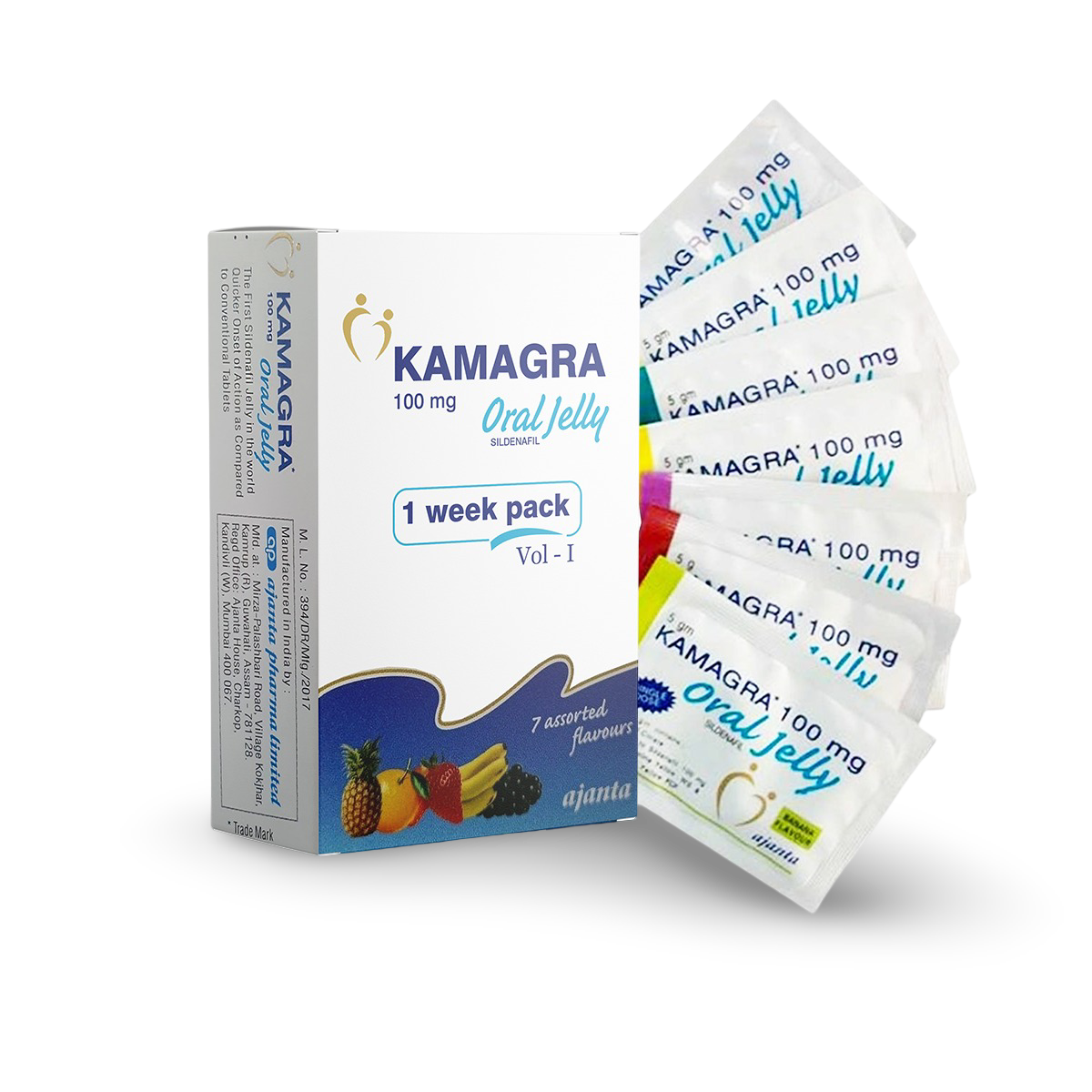
Yes, generic ED pills like Kamagra 100 are equally effective as brand medicines, as they contain the same active ingredients, like Sildenafil and Tadalafil. They usually cost around $1 per pill, making them up to 99% less expensive than brand-name alternatives. You can buy cheap Erectile Dysfunction pills online from GoodRxMedicine.
What is the best exercise for Erectile Dysfunction?
Regular aerobic exercise is considered the best exercise for Erectile Dysfunction because it improves blood circulation, heart health, and blood vessel function. Activities such as brisk walking and swimming, along with pelvic floor (Kegel) exercises, may further help improve erectile function.
Do herbal supplements treat Erectile Dysfunction?
No, herbal supplements are not proven treatments for ED. While some supplements, such as Panax ginseng and L-arginine, may provide modest benefits for some men, the evidence remains limited and inconsistent. They should not replace medically approved ED medications without consulting a healthcare provider.
What are the best natural ways to improve Erectile Dysfunction?
The best natural ways to improve ED include exercising regularly, maintaining a healthy weight and following a heart-healthy diet. Other lifestyle adjustments like quitting smoking, limiting alcohol, managing stress, getting enough sleep, and controlling chronic conditions like Diabetes can also help. However, these are support methods and do not replace medical treatment.
Citations
GoodRxMedicine only refers to credible, authoritative sources for our content. If you're curious about how we ensure the integrity of our content, we encourage you to read our Content Information Policy.
Average rating 4.9 / 5
How useful was this post?
Click on a star to rate it!
Julian Carter is a highly accomplished MBA graduate in Pharmaceutical Management, celebrated for his extensive experience and exceptional skills in the pharmaceutical industry. With a wealth of knowledge and expertise, Julian is a valuable contributor to the field and a trusted voice in pharmaceutical management. As a contributing writer for Goodrxmedicine.com, Julian is committed to educating and empowering individuals to make informed decisions about their health. His passion for the industry is evident in his work, and his dedication to improving the lives of others through education and empowerment is truly remarkable. With a reputation for excellence and a track record of success, Julian Carter is a respected and admired figure in pharmaceutical management. His insights and contributions to the field are highly valued, and his expertise has helped shape the direction of the industry for the better. Through his work as a contributing writer for Goodrxmedicine.com and beyond, Julian continues to make a meaningful impact in the lives of many. His commitment to excellence and dedication to improving the health of individuals and communities around the world make him an inspiration to others in the field.
Learn MoreDr. James Mitchell is a board-certified physician with 18+ years of clinical experience in Sexual Medicine and Reproductive Health. He helps patients navigate intimate health concerns through medically sound guidance and compassionate, patient-centered care.
Learn More